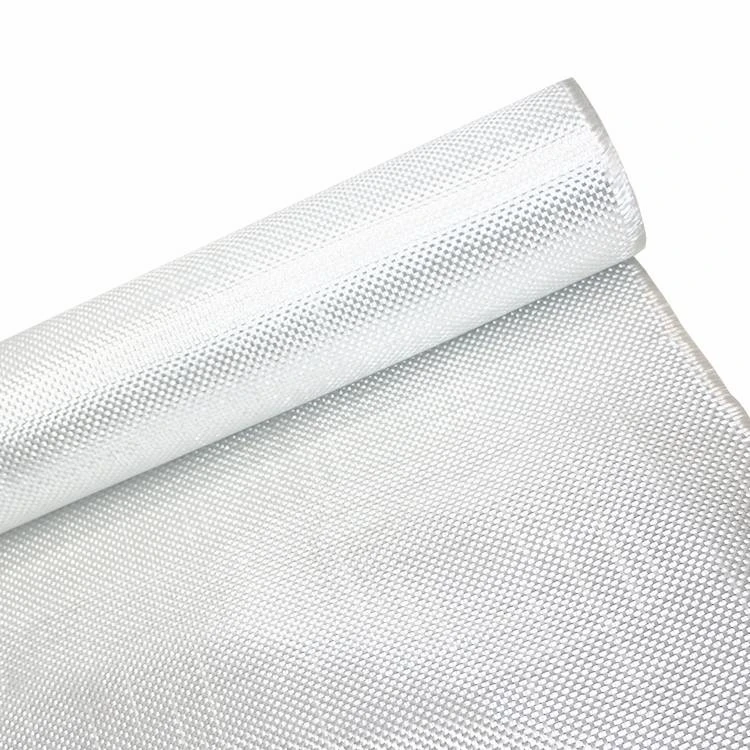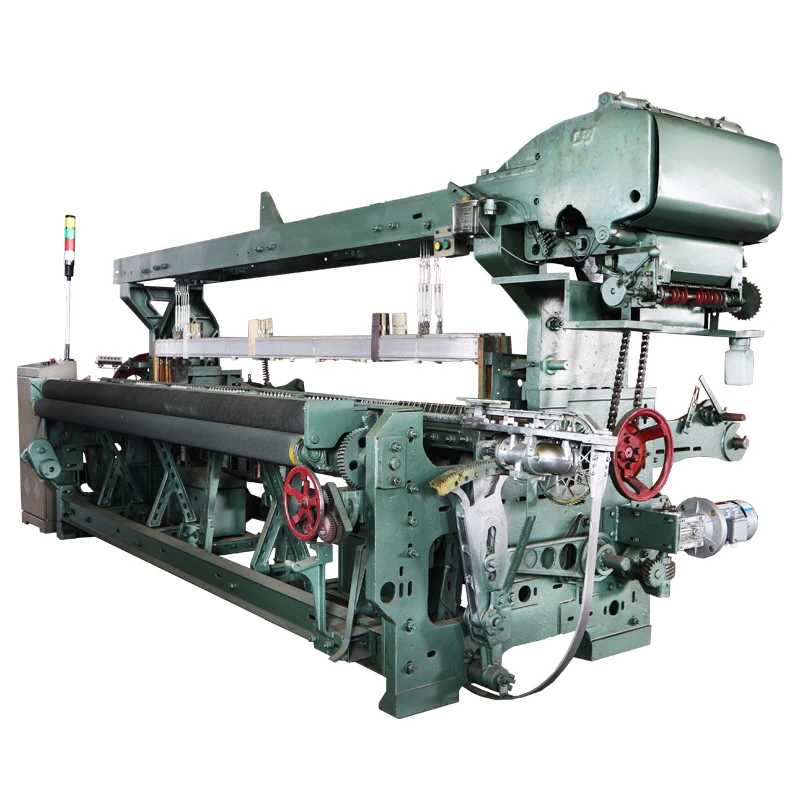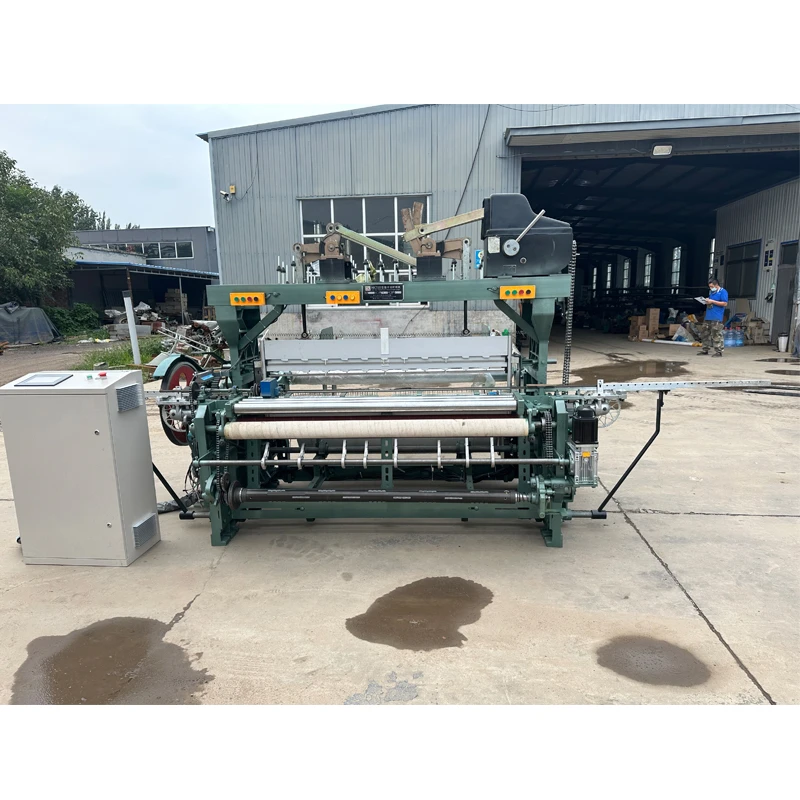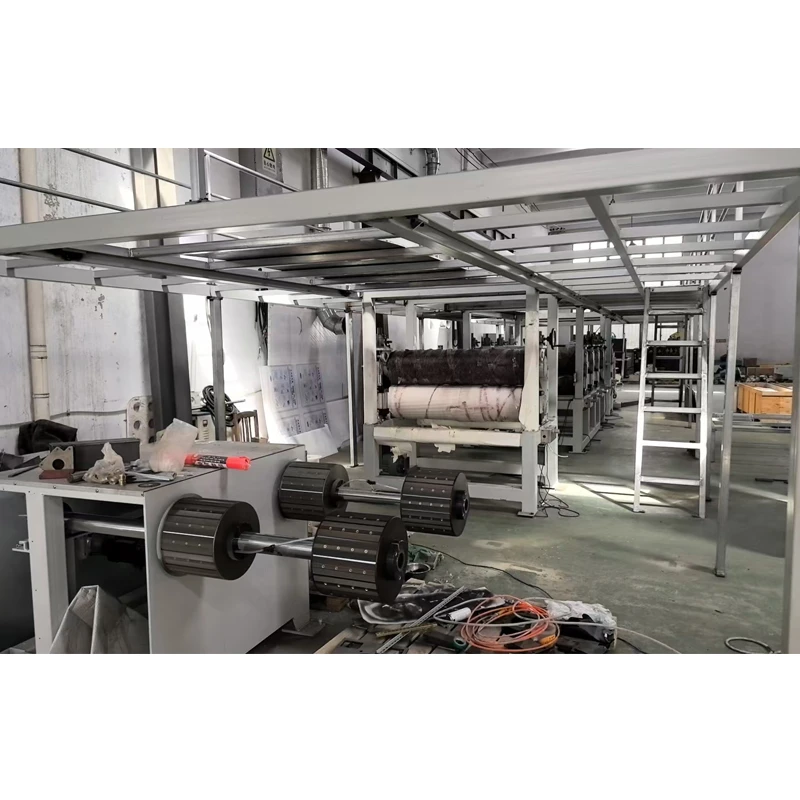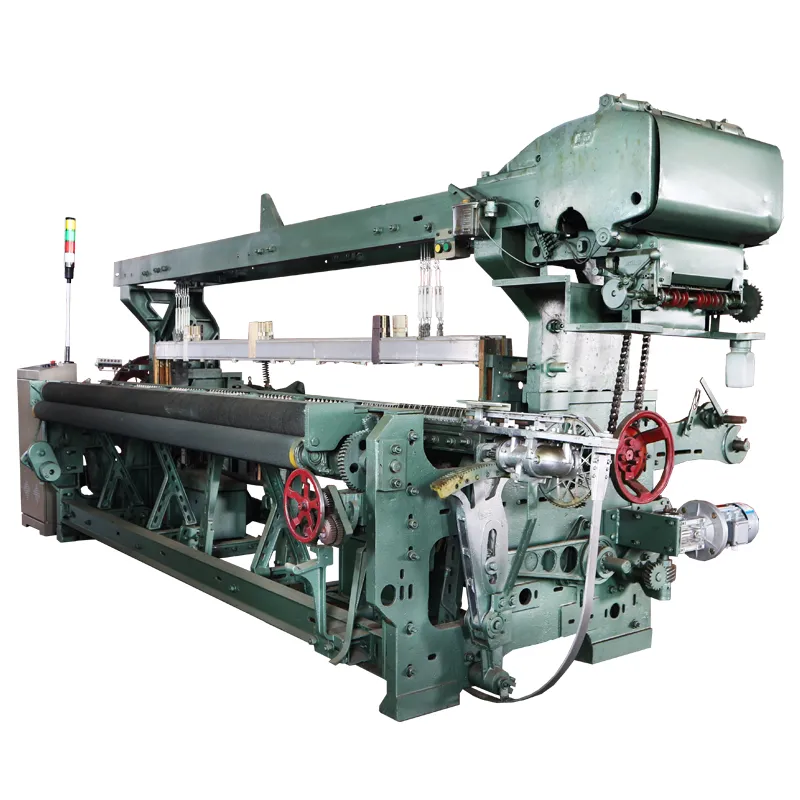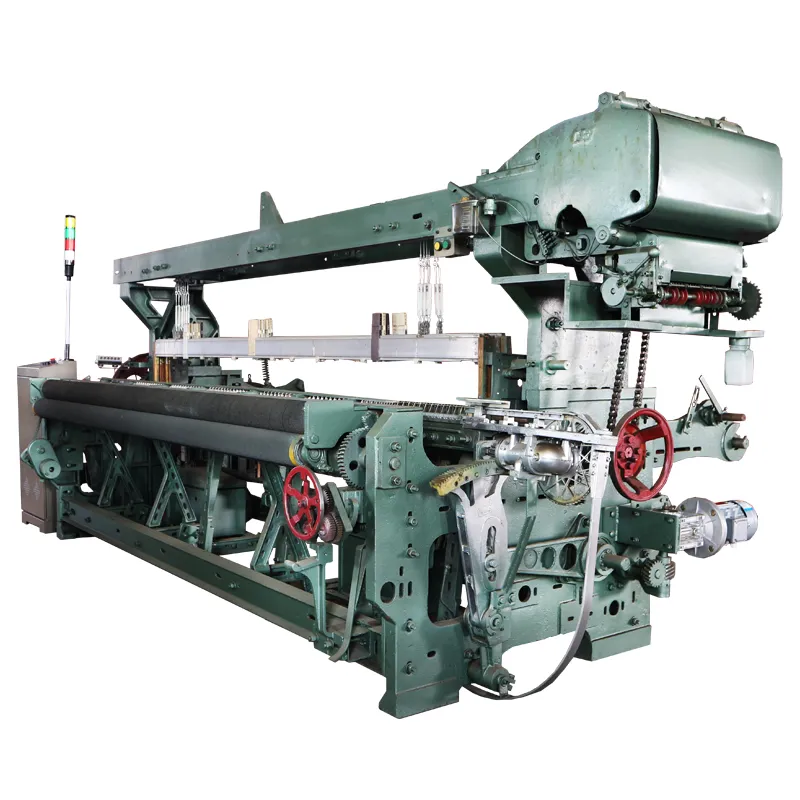



The Fiberglass Manufacturing Machine: Unlocking Modern Industry’s Versatile Material
Fiberglass manufacturing machines may sound like a niche industrial term, but they’re quietly shaping countless aspects of modern life worldwide. From aerospace and automotive to construction and even renewable energy, the scalability and adaptability of fiberglass materials depend heavily on these machines. Understanding the role and benefits of a fiberglass manufacturing machine brings clarity to how industries meet demand for lighter, stronger, and more corrosion-resistant materials—often at lower costs and with improved sustainability.
Introduction: Why Fiberglass Manufacturing Machines Matter Globally
The global fiberglass market is estimated at over $16 billion as of 2023, growing steadily due to increasing industrial applications across Europe, Asia, and North America (Wikipedia - Fiberglass). Fiberglass manufacturing machines are the heart of this growth, automating and refining the production of glass fibers that can be woven, chopped, and molded into vital composites.
One big challenge? Supply chain resilience. Many industries face fluctuating raw material costs and shifting environmental regulations. Fiberglass manufacturing machines address this by enabling efficient, repeatable processes that reduce waste, energy use, and production downtime. It’s like having a dependable backbone during swirling global uncertainties.
What Is a Fiberglass Manufacturing Machine?
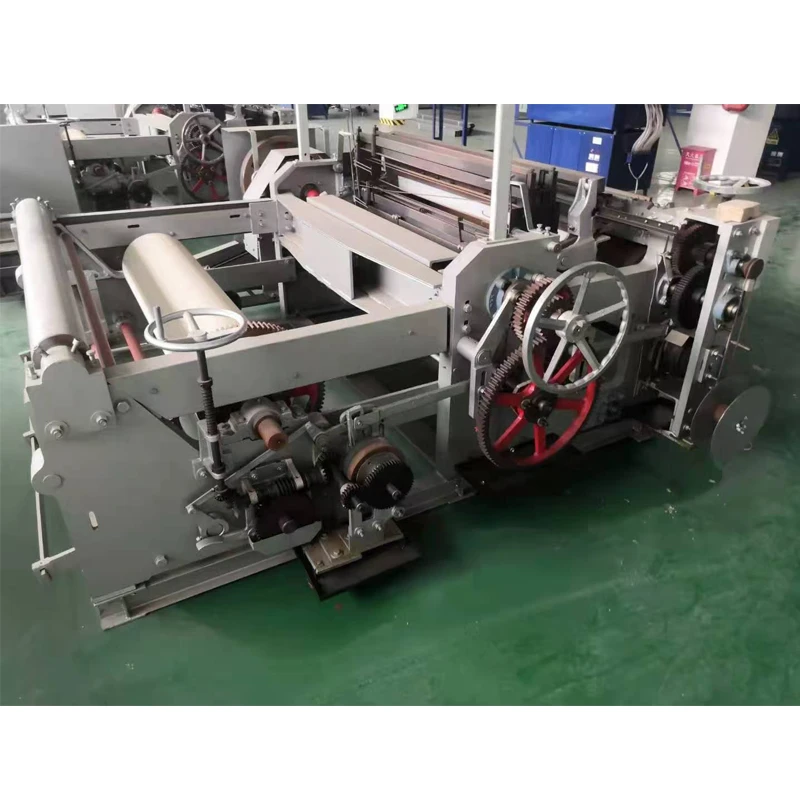
At its core, a fiberglass manufacturing machine transforms molten glass into fine, uniform fibers. Imagine glass flowing through heated plates, stretched into hair-thin filaments by precision nozzles and spun onto spools or chopped for composites. This automation replaces older, error-prone methods and meets the exacting demands of industries requiring lightweight yet durable materials.
It’s not just about making material—it’s about engineering solutions for aerospace parts, wind turbine blades, or even medical devices that need consistent mechanical properties and resistance to extreme environments.
Key Components and Core Aspects of Fiberglass Manufacturing Machines
1. Precision Fiber Drawing Systems
The part where molten glass is converted into fibers. Controlled heat zones and drawing speeds ensure dimensional accuracy and mechanical strength. Many engineers say this step determines the final product’s performance.
2. Automated Coating & Sizing Units
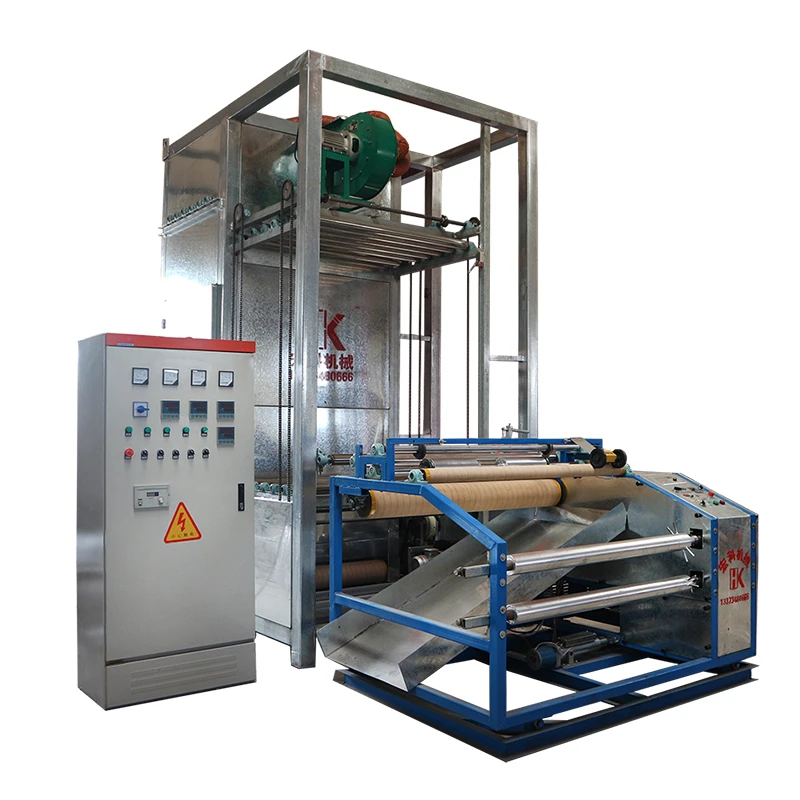
Fibers receive coatings to enhance resin compatibility and protect against damage—crucial for industrial applications. Skipping or poorly managing this can lead to costly rejects.
3. Scalability & Throughput
Machines vary from small lab-scale setups to massive industrial lines capable of producing tons daily. Scalability is central for manufacturers balancing niche orders and mass production.
4. Energy Efficiency
Fiberglass production is energy-intensive. Advancements in machine design focus on reducing power consumption using better insulation, optimized motors, and recovery systems.
5. Integration with Digital Controls
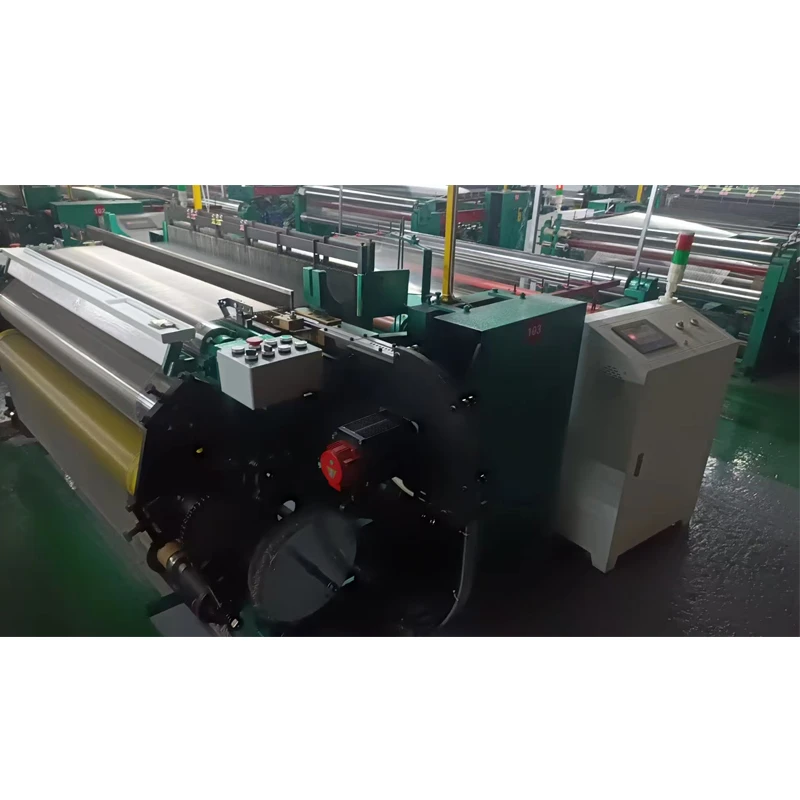
Modern machines come equipped with sensors and IoT integration for real-time monitoring and quality control—a leap forward from manual oversight.
Mini Takeaway:
The fiberglass manufacturing machine is a sophisticated blend of heat control, mechanical precision, and digital innovation. This combination ensures the fibers produced meet rigorous quality standards while adapting to evolving production needs.
Global Applications & Use Cases: From Wind Farms to Disaster Relief
Fiberglass materials are everywhere, and this wouldn’t be possible without reliable manufacturing machines. In the renewable energy sector, for example, fiberglass is the mainstay of wind turbine blades—they must be light to spin efficiently but tough enough to survive turbulent weather.
Similarly, automotive manufacturers use fiberglass composites to reduce vehicle weight, improving fuel efficiency and lowering emissions. In Southeast Asia, manufacturers have developed modular housing solutions using fiberglass panels—fast to build, weather-resistant, and ideal for disaster-prone regions.
Even NGOs invested in humanitarian aid have shown interest in fiberglass manufacturing technology to produce shelter components that are safer, longer-lasting, and more easily transportable than traditional materials.
Advantages & Long-Term Value of Using Fiberglass Manufacturing Machines
- Cost Efficiency: Automated processes reduce manual labor costs and material waste.
- Durability & Reliability: High-performance fibers ensure products withstand harsh environments.
- Sustainability: Energy-saving features and recyclable materials help meet ESG goals.
- Innovation Support: Integrated digital controls allow rapid prototyping and improved quality assurance.
- Social Impact: Improved housing and infrastructure materials enhance safety and quality of life.
From an emotional standpoint, industries and communities gain trust and pride from using materials that last and perform, not to mention easier recycling at end-of-life.
Product Specification Table: Sample Fiberglass Manufacturing Machine Specs
| Feature | Specification | Notes |
|---|---|---|
| Fiber Drawing Speed | Up to 25 m/s | Variable per glass type |
| Production Capacity | 2,000 kg/day | Industrial scale |
| Energy Consumption | 850 kWh/ton | Includes recovery system |
| Control System | PLC with IoT connectivity | Remote monitoring enabled |
| Dimensions (LxWxH) | 12m x 4m x 3m | Fits standard factory layouts |
Comparing Leading Fiberglass Manufacturing Machine Vendors
| Vendor | Key Features | Price Range | After-Sales Support |
|---|---|---|---|
| FibraTech Solutions | High-speed fiber drawing, energy recovery, IoT dashboard | $$$ | 24/7 online and on-site service worldwide |
| GlassWeave Industries | Modular design, automated sizing unit, low energy footprint | $$ | Regional support centers, remote diagnostics |
| FiberLine Equipment | Compact footprint, easy integration, scalable production | $$$ | Comprehensive training and spare parts supply |
Future Trends: What’s Next for Fiberglass Manufacturing Machines?
Looking ahead, I sense two striking trends for fiberglass manufacturing machines.
- Green Materials and Circular Economy: Machines will increasingly accommodate recycled glass or hybrid composites. Imagine drawing fibers from waste glass — quite remarkable for sustainability.
- Automation & AI Integration: Smarter control systems and predictive maintenance will reduce downtime and improve product consistency.
Plus, government regulations pushing for lower carbon footprints are nudging manufacturers to rethink energy use and emissions—fiberglass machine makers aren’t immune to that.
Challenges & How Experts Are Tackling Them
Fiberglass machine operators face issues like frequent nozzle clogging, variable fiber diameter control, and high initial capital investment. But solutions abound:
- Better raw material preprocessing minimizes impurities that cause clogging.
- Advanced sensors paired with AI adjust draw rates instantly, keeping diameters within tolerance.
- Leasing and flexible financing models reduce upfront barriers, making these machines accessible to more manufacturers.
Frequently Asked Questions About Fiberglass Manufacturing Machines
What kind of materials can fiberglass manufacturing machines handle?
Primarily, they handle silica-based molten glass formulations. However, modern machines can process various glass types, including borosilicate and specialty glasses, enabling different fiber properties depending on application.
How energy-efficient are these machines compared to older models?
Newer machines incorporate energy recovery and improved insulation, resulting in up to 30% lower energy consumption versus older equipment, significantly cutting operating costs and emissions.
Are fiberglass manufacturing machines customizable for small businesses?
Yes. Many vendors offer modular setups and scalable lines designed for smaller batches or specialty fibers, allowing startups and SMEs to enter the market without massive investment.
What maintenance schedule is recommended?
Daily cleaning of nozzles and weekly inspection of heating elements is standard. Predictive maintenance systems on newer models provide alerts when components need replacement, preventing unexpected downtime.
Can these machines be integrated with existing factory automation?
Absolutely. Modern fiberglass manufacturing machines include PLCs and IoT capabilities that can communicate with plant-wide SCADA systems for seamless production monitoring.
Conclusion: The Long-Term Impact of Investing in Fiberglass Manufacturing Machines
Fiberglass manufacturing machines aren’t just about making fibers — they’re about powering versatile industries, enabling innovation, and contributing to a more sustainable and resilient global economy. Whether for massive turbines or modular emergency shelters, these machines produce the backbone materials modern society increasingly relies on.
If you’re curious to explore the latest in fiberglass manufacturing machinery or find tailored solutions for your production needs, I recommend visiting fiberglass manufacturing machine. Because in a world hungry for strength, adaptability, and efficiency, this technology is anything but boring.