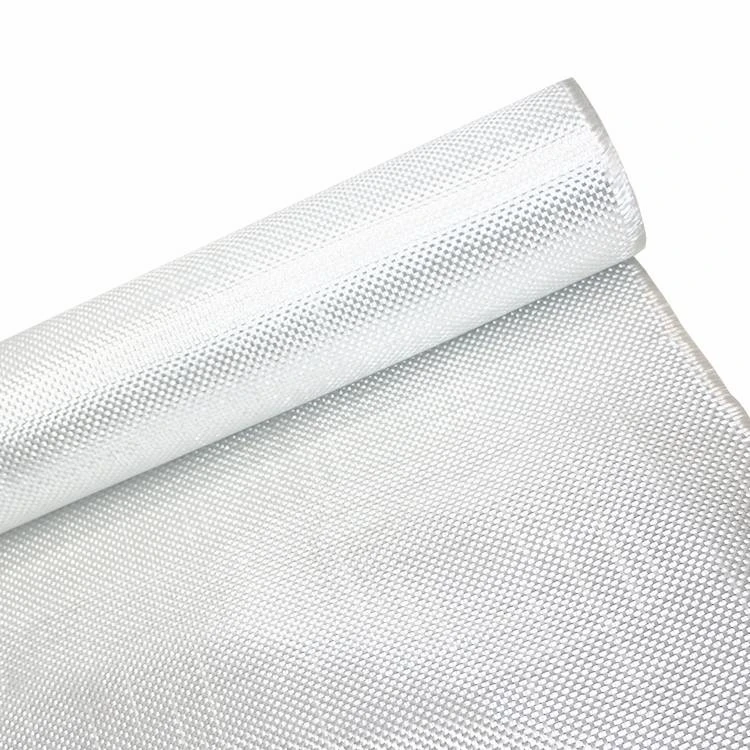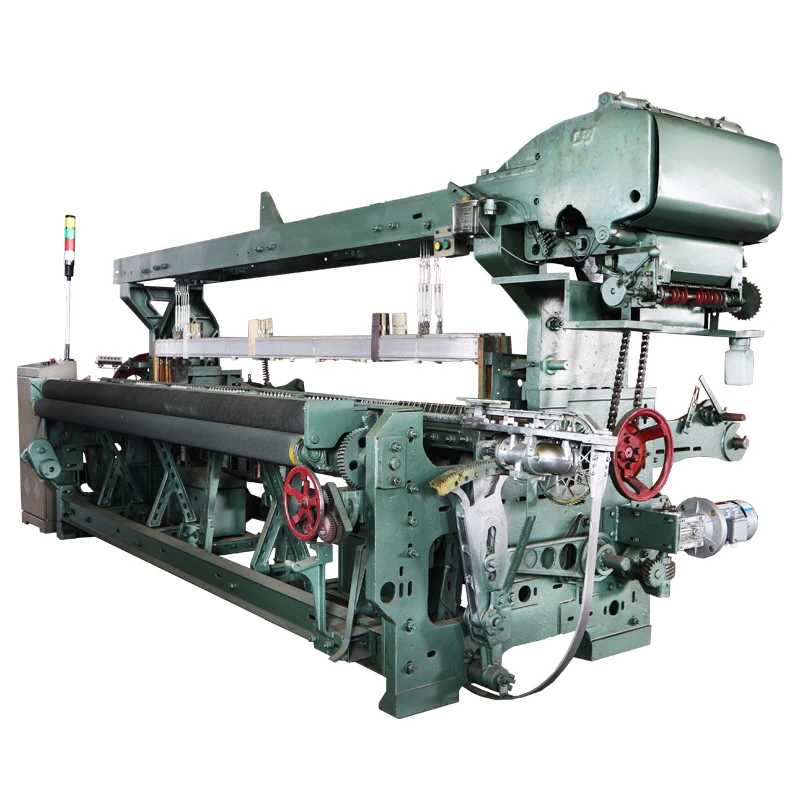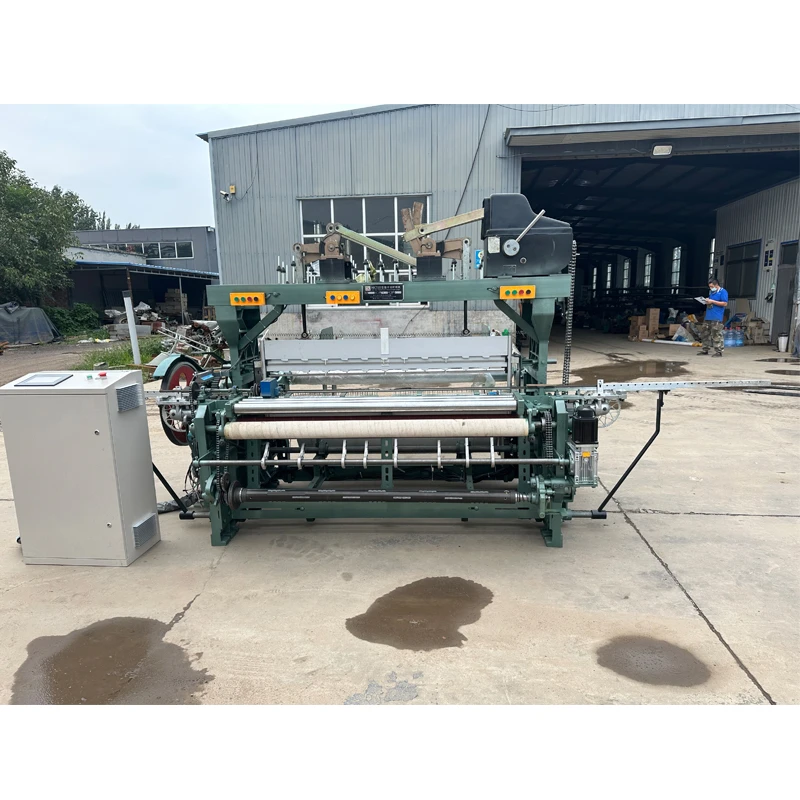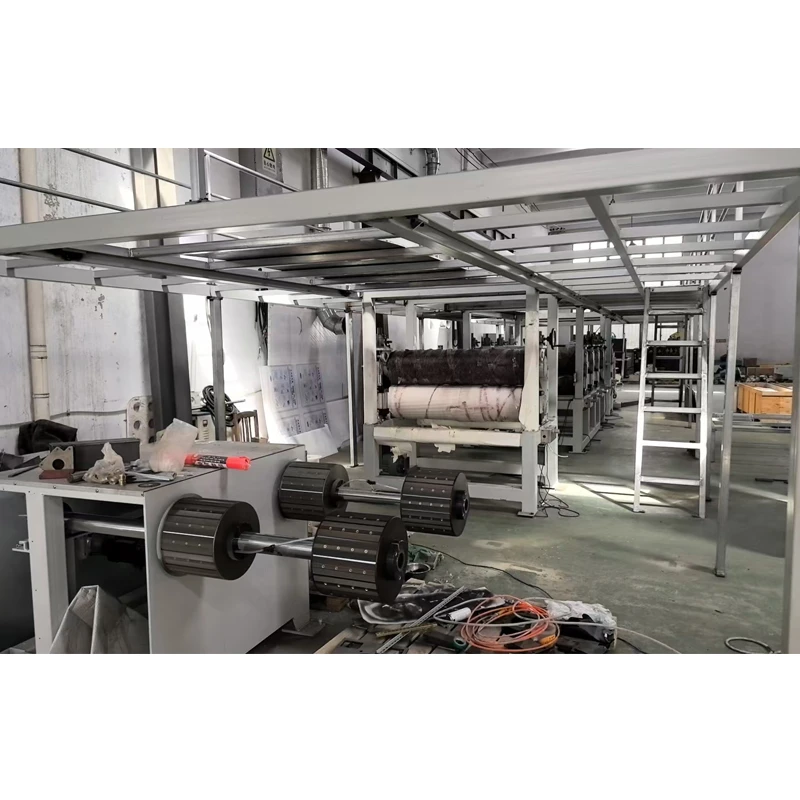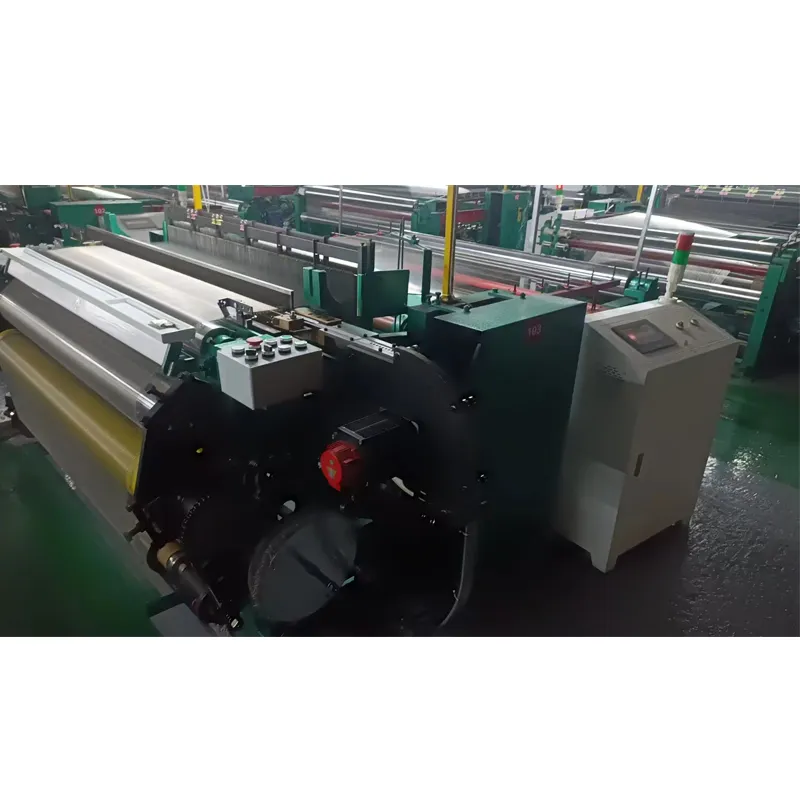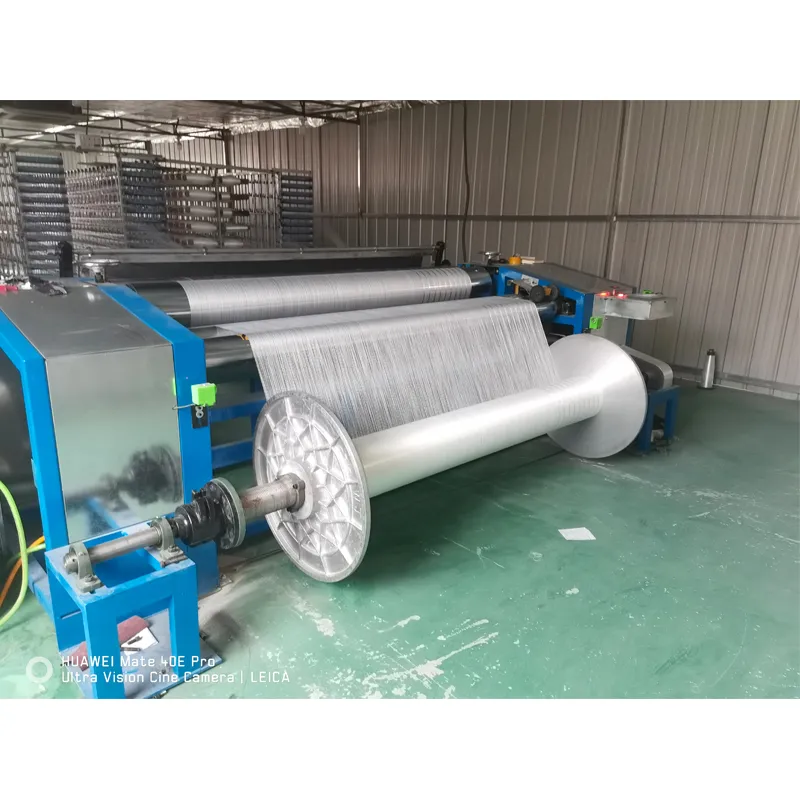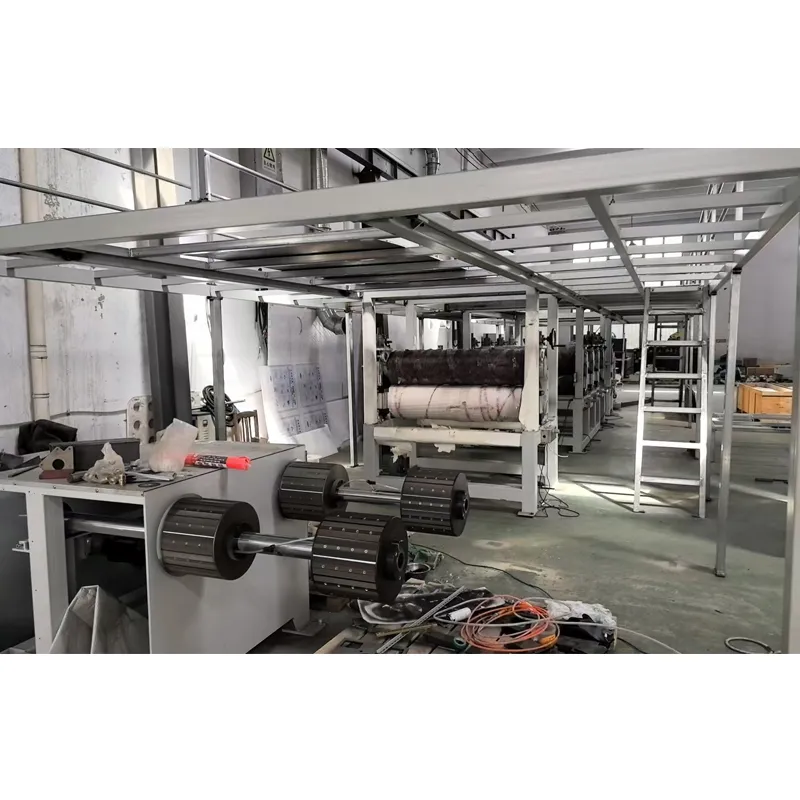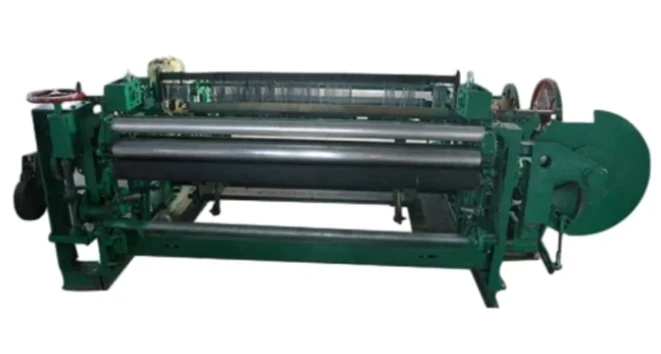



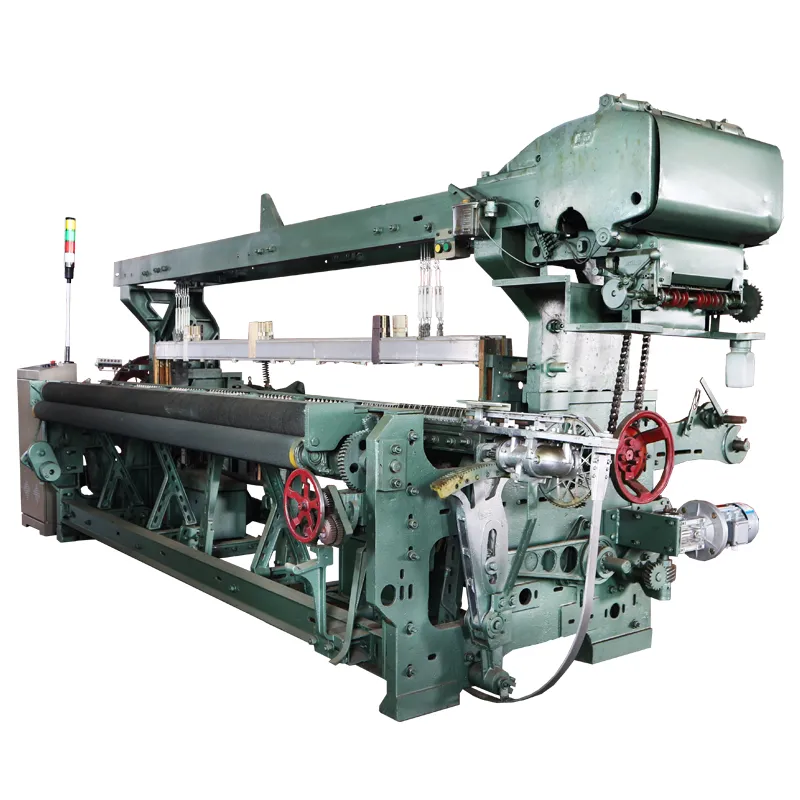
Introduction to Advanced Fiberglass Yarn Coating Technology
In the realm of modern industrial textiles and composite materials, the performance characteristics of fiberglass yarn are paramount. Achieving optimal durability, resistance, and functional properties often hinges on a critical manufacturing step: advanced coating. A fiberglass yarn coating machine represents the pinnacle of engineering in this domain, designed to impart specialized polymer layers onto fiberglass filaments, transforming them into high-performance materials essential for a myriad of applications. From enhancing tensile strength to providing superior resistance against environmental degradation, these machines are foundational to industries requiring robust and reliable textile solutions.
This article delves into the intricate world of fiberglass yarn coating, exploring the underlying technologies, critical process flows, diverse application scenarios, and the stringent quality standards that govern this specialized field. We aim to provide B2B decision-makers and technical professionals with a comprehensive understanding of these essential machines, their capabilities, and their strategic importance in today's competitive manufacturing landscape.
Industry Trends in High-Performance Textile Manufacturing
The global market for technical textiles and composite materials is experiencing robust growth, driven by increasing demand for lightweight, high-strength, and durable products across various sectors. Key trends influencing the development and adoption of advanced yarn coating technologies include:
- Sustainable Manufacturing: A growing emphasis on eco-friendly coating materials, reduced energy consumption during curing, and processes that minimize waste.
- Automation and Industry 4.0 Integration: The incorporation of smart sensors, IoT connectivity, and AI-driven process control systems to optimize efficiency, reduce manual intervention, and ensure consistent quality in every fiberglass yarn coating machine.
- Demand for Multi-Functional Coatings: Beyond basic protection, coatings are now expected to provide flame retardancy, anti-microbial properties, UV resistance, and improved adhesion for subsequent processing.
- Customization and Niche Applications: The ability to quickly adapt production lines for specialized yarn types and unique coating formulations is becoming a competitive advantage for manufacturers utilizing a versatile fiberglass yarn coating machine. This is particularly relevant for applications like advanced filtration media and specific architectural meshes.
- Material Innovation: Development of new polymer resins and additives that offer superior performance and processability, catering to the evolving demands of industries like aerospace, automotive, and construction.
These trends underscore the need for flexible, efficient, and technologically advanced coating machinery that can meet the rigorous demands of tomorrow's material science challenges.
Detailed Process Flow: Manufacturing with a Fiberglass Yarn Coating Machine
The operation of a modern fiberglass yarn coating machine involves a meticulously engineered sequence of steps to ensure uniform and high-quality application of coating materials onto fiberglass yarn. The overall goal is to enhance the yarn's physical and chemical properties, making it suitable for demanding applications such as mosquito net weaving machine operations or as reinforced material in construction.
Key Stages of the Yarn Coating Process:
-
Raw Material Preparation:
- Fiberglass Yarn: High-tensile, alkali-resistant fiberglass yarn, typically E-glass or C-glass, is loaded onto unwinding creels. Yarn denier (e.g., 68 tex to 2400 tex) is selected based on end-product requirements.
- Coating Agents: Polymer resins such as PVC (Polyvinyl Chloride), acrylic, silicone, or specialized fire-retardant compounds are prepared. These can be in the form of emulsions, dispersions, or solutions, formulated for viscosity, adhesion, and desired final properties.
-
Yarn Unwinding and Tension Control:
Multiple bobbins of fiberglass yarn are unwound simultaneously. A sophisticated tension control system, often involving dancer rollers and load cells, ensures uniform tension across all yarn strands. This critical step prevents stretching, breakage, or uneven coating, which is vital for subsequent spinning and weaving machine operations.
-
Pre-treatment/Cleaning (Optional but Recommended):
For certain applications requiring superior adhesion, the yarn may pass through a pre-treatment stage involving cleaning (e.g., ultrasonic baths) or activation (e.g., plasma treatment) to optimize the surface for coating uptake.
-
Coating Application:
This is the core of the fiberglass yarn coating machine. Common methods include:
- Dipping (Immersion Coating): Yarn strands are guided through a tank containing the liquid coating agent. This provides full saturation.
- Squeeze Rolling/Knife Coating: After dipping, the yarn passes through precision-calibrated rollers or under a doctor blade to remove excess coating and control coating thickness uniformly. This ensures consistent yarn diameter, critical for fiberglass mesh machine and industrial weaving machine compatibility.
- Spraying: For specific, less viscous coatings, a spray application might be used.
-
Curing/Drying:
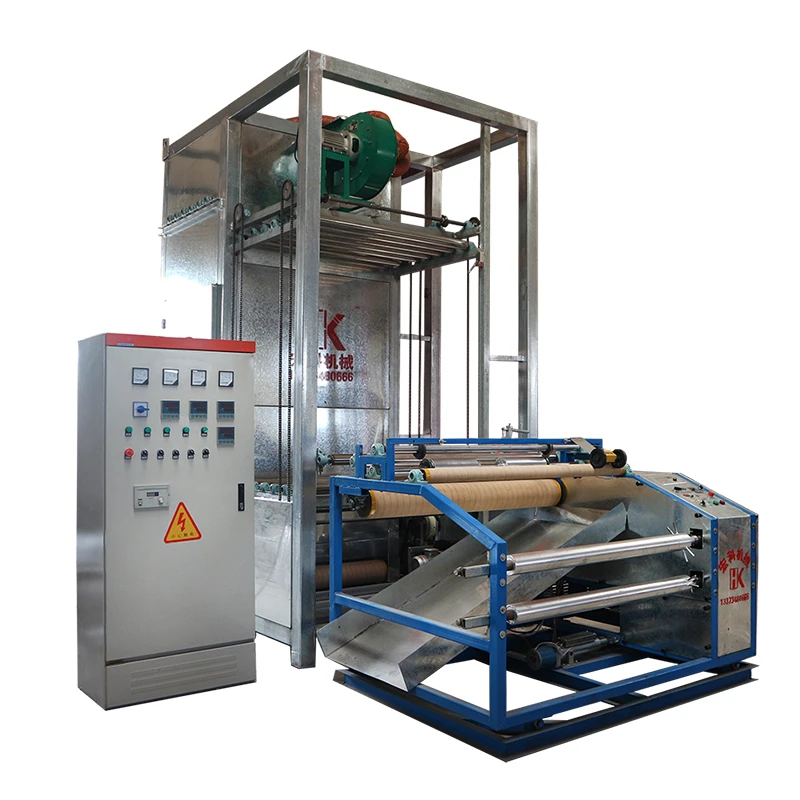
The coated yarn enters a multi-zone oven, where precise temperature control (e.g., 150°C to 250°C for PVC coatings) and controlled airflow facilitate the curing or drying process. This stage polymerizes the coating, bonding it to the fiberglass and achieving the desired physical properties. Infrared (IR) or hot air convection ovens are common, engineered for energy efficiency and uniform heat distribution.
-
Cooling:
Post-curing, the yarn passes through a cooling zone (air or water-cooled) to bring it back to ambient temperature before winding, preventing deformation or sticking.
-
Winding and Take-up:
The finished, coated yarn is wound onto bobbins or spools, with a precise take-up system ensuring consistent tension and package density. These bobbins are then ready for use in mosquito net making machine or other weaving processes.
-
Quality Control:
Throughout the process, inline and offline quality checks are performed. This includes monitoring coating thickness, adhesion, yarn diameter, tensile strength, and visual inspection for defects. Compliance with international standards such as ISO 9001 and ANSI is rigorously maintained, ensuring the product's suitability for various industries like petrochemical and water supply & drainage, where corrosion resistance is critical.
Machine Manufacturing and Advantages:
The components of a high-performance fiberglass yarn coating machine are fabricated using advanced manufacturing techniques. Precision parts often undergo CNC machining for tight tolerances. Critical rollers and shafts may be forged for strength, while larger structural elements can be cast. This robust construction ensures a long service life, typically exceeding 15-20 years with proper maintenance.
In typical application scenarios, such as the production of industrial filter fabrics, these machines demonstrate significant advantages. The controlled coating process results in materials with enhanced chemical resistance, making them ideal for petrochemical and metallurgy industries where exposure to corrosive agents is common. The precise thickness control enables optimal filtration efficiency, while the energy-saving curing ovens contribute to lower operational costs, offering a compelling return on investment.
Technical Specifications and Performance Parameters
A thorough understanding of the technical specifications of a fiberglass yarn coating machine is crucial for evaluating its suitability for specific production needs. The table below outlines typical parameters for a high-capacity industrial model designed for a variety of coated fiberglass yarn products, including those used in mosquito net knitting machine applications.
| Parameter | Specification Range | Notes |
|---|---|---|
| Number of Yarn Ends | 120 - 480 ends (customizable) | Determines production capacity |
| Yarn Denier Range | 68 tex - 2400 tex | Suitable for fine mesh to heavy industrial fabrics |
| Coating Speed | 20 - 150 meters/minute | Variable speed control for different coating types |
| Coating Material Compatibility | PVC, Acrylic, Silicone, Polyurethane, Latex | Water-based and solvent-based options |
| Curing Oven Zones | 3 - 8 zones | Independent temperature control for precise curing profiles |
| Heating Method | Electric, Natural Gas, LPG, Thermal Oil | Configurable based on energy availability and cost |
| Temperature Control Accuracy | ±2°C | Ensures consistent curing and material integrity |
| Total Installed Power | 80 kW - 300 kW (depending on configuration) | Mainly for heating and motor drives |
| Control System | PLC with HMI Touch Screen | User-friendly interface for precise control and monitoring |
| Overall Dimensions (L x W x H) | 25m-60m x 2m-4m x 3m-4.5m | Varies with number of ends and oven length |
These parameters directly impact the machine's efficiency, the quality of the coated yarn, and its suitability for various end products, including specialized industrial weaving machine applications.
Key Technical Advantages of Modern Coating Systems
Investing in a state-of-the-art fiberglass yarn coating machine offers a multitude of technical advantages that translate into superior product quality and operational efficiency:
- Precision Coating and Uniformity: Advanced tension control systems, precise metering pumps, and optimized squeeze rollers ensure a consistent coating thickness and distribution across every strand of yarn, minimizing material waste and guaranteeing uniform product performance.
- Enhanced Durability and Performance: The application of specialized polymers significantly improves the fiberglass yarn's resistance to abrasion, UV radiation, moisture, chemicals, and extreme temperatures. This is vital for end-products like fiberglass mesh used in harsh outdoor or industrial environments.
- Optimized Energy Efficiency: Modern curing ovens incorporate advanced insulation, heat recovery systems, and efficient heating elements (e.g., IR or high-velocity air convection) to reduce energy consumption during the drying process, lowering operational costs.
- Automation and Digital Control: PLC-based control systems with intuitive Human-Machine Interfaces (HMI) allow for precise parameter adjustment, real-time monitoring, fault diagnosis, and data logging. This leads to higher production consistency, reduced labor costs, and easier integration into Industry 4.0 frameworks.
- Versatility in Material Handling: These machines are designed to handle a wide range of fiberglass yarn counts and coating formulations, offering manufacturers the flexibility to produce diverse products from fine mosquito net making machine materials to heavy-duty industrial fabrics on the same production line.
- Improved Adhesion Properties: The controlled curing process and, where applicable, integrated pre-treatment options, ensure superior adhesion between the fiberglass substrate and the coating polymer, preventing delamination and extending product lifespan.
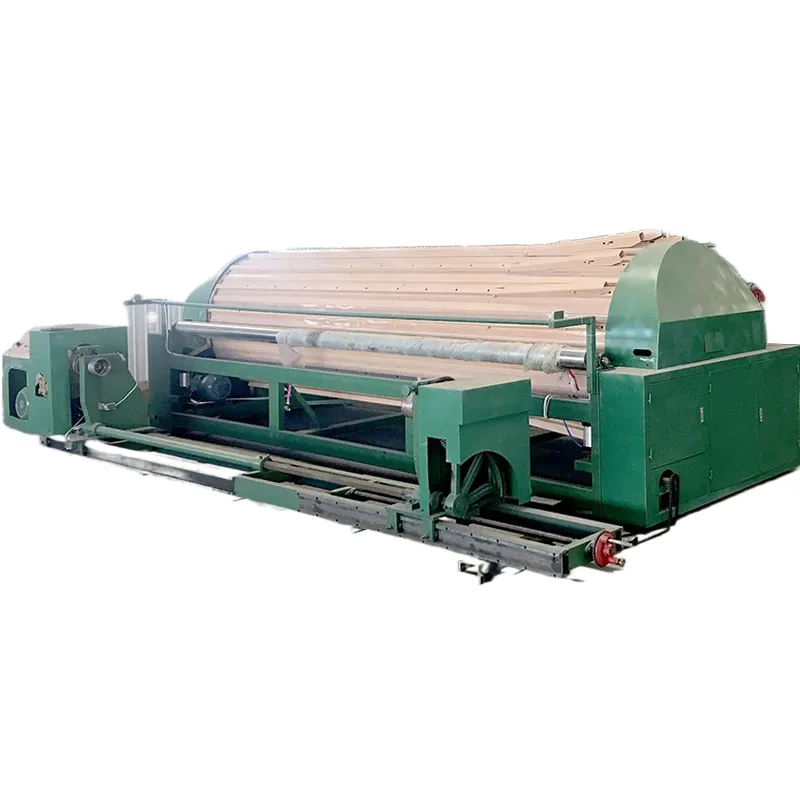
Diverse Application Scenarios
The output of a fiberglass yarn coating machine finds its way into an incredibly diverse array of products, highlighting the versatility and importance of this technology across multiple industries:
- Mosquito Nets and Insect Screens: Coated fiberglass yarn is the primary material for durable and weather-resistant mosquito net weaving machine and mosquito net making machine applications. The coating provides UV resistance, prevents unraveling, and enhances the mesh's flexibility and longevity, making it ideal for both domestic and commercial use.
- Construction Reinforcement Meshes: Alkali-resistant coated fiberglass mesh is extensively used in external wall insulation systems (ETICS/EIFS), floor screeds, and concrete reinforcement. The coating protects the glass fibers from the alkaline environment of cement, ensuring long-term structural integrity.
- Industrial Filter Media: Coated fiberglass yarns are woven into high-performance filter fabrics for air, liquid, and dust filtration in power plants, chemical processing, and other industrial settings. The coating can provide specific pore sizes, chemical resistance, and thermal stability.
- Abrasive Reinforcement: Used as reinforcement in grinding wheels and abrasive discs, where the strength and heat resistance of coated fiberglass yarn significantly improve product safety and performance.
- Agricultural Textiles: Coated yarns are used in greenhouse shading nets, windbreaks, and hail protection nets, where UV stability and weather resistance are paramount for extended outdoor life.
- Geotextiles and Geomembranes: For civil engineering applications, coated fiberglass provides reinforcement and stability to soils and structures, resisting environmental degradation and mechanical stress.
- Specialized Composites: Coated fiberglass is a crucial component in various composite materials, improving matrix adhesion and overall composite strength and durability.
Vendor Comparison: Selecting the Right Partner
Choosing the right manufacturer for a fiberglass yarn coating machine is a strategic decision that impacts long-term operational success. While specific vendor names are beyond the scope here, evaluating key criteria is essential:
| Criterion | Description & Importance |
|---|---|
| Technological Innovation | Look for advanced control systems (PLC/HMI), energy-efficient curing, and precision coating mechanisms. A vendor committed to R&D ensures future-proof solutions. |
| Customization Capabilities | The ability to tailor machine specifications (e.g., number of yarn ends, oven length, coating application method) to specific production requirements and existing plant layouts. |
| Build Quality & Durability | High-quality materials, robust engineering (e.g., precision CNC machined parts, hardened steel rollers), and adherence to international manufacturing standards (e.g., ISO, CE) for long service life. |
| After-Sales Support & Service | Availability of technical support, spare parts, and qualified technicians for installation, training, and maintenance. Global reach for international clients is crucial. |
| Industry Experience & Reputation | A proven track record in the field of industrial textile machinery, evidenced by client testimonials, case studies, and years of service. |
| Total Cost of Ownership (TCO) | Beyond the initial purchase price, consider energy consumption, maintenance costs, spare parts availability, and expected lifespan for a holistic financial evaluation. |
A reputable vendor will not only supply a high-quality machine but also act as a long-term partner, offering expertise and support throughout the machine's operational life. This is especially true for complex machinery like the industrial weaving machine where integration is key.
Customized Solutions and System Integration
Recognizing that no two manufacturing operations are identical, leading manufacturers of fiberglass yarn coating machine offer extensive customization options. These tailored solutions ensure seamless integration into existing production lines and optimization for specific product portfolios.
- Yarn Handling Systems: Custom creel designs for various bobbin sizes, automatic splicing systems, and specialized tensioning mechanisms for delicate or high-denier yarns.
- Coating Head Configuration: Choice of dipping, spraying, or combination methods; adaptable squeeze roller geometries for different coating viscosities and desired thicknesses.
- Curing Oven Design: Modular oven sections allow for adjustable length, heating power, and zone configuration. Options include specialized convection, infrared, or UV curing systems based on the coating chemistry and desired line speed.
- Automation and Control Integration: PLC systems can be programmed to interface with upstream yarn production equipment (e.g., spinning machines) and downstream weaving or finishing lines. Data communication protocols (e.g., OPC UA) can be integrated for centralized plant management.
- Ancillary Equipment: Customized mixing tanks for coating preparations, filtration systems, exhaust gas treatment, and environmental control units to meet stringent regulatory standards.
- Safety Features: Tailored safety interlocks, emergency stop systems, and fire suppression for chemical storage and curing zones, adhering to local and international safety regulations.
This level of customization is particularly valuable for manufacturers creating niche products, such as specific grades of fiberglass mesh machine components or highly specialized mosquito net knitting machine materials, ensuring optimal performance and cost-effectiveness.
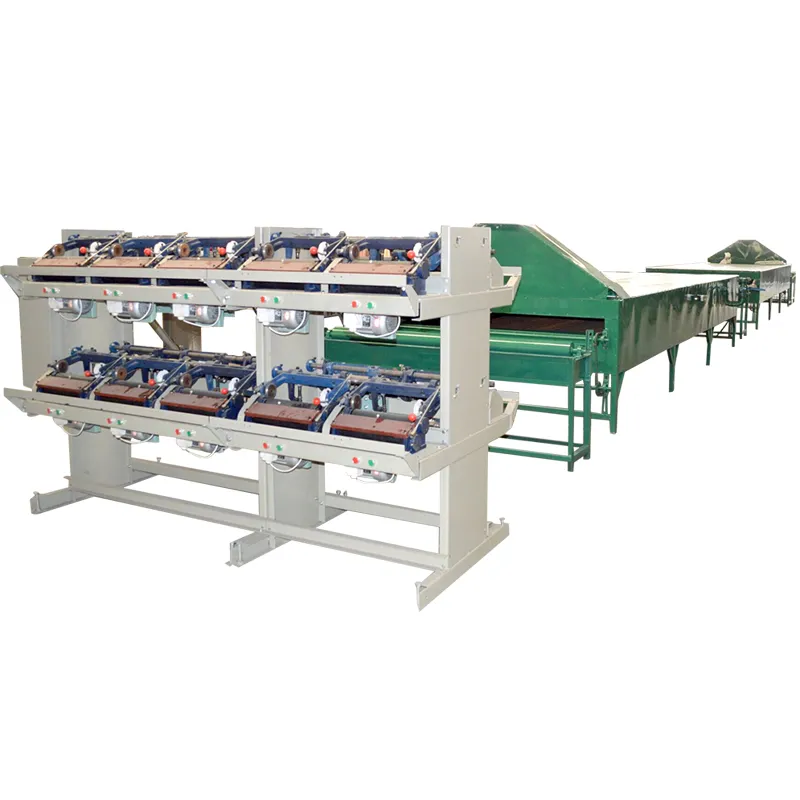
Real-World Application Case Studies
Case Study 1: High-Volume Mosquito Net Production
"A leading mosquito net making machine manufacturer in Southeast Asia needed to significantly increase production capacity for UV-resistant fiberglass mosquito nets. They invested in a custom 240-end fiberglass yarn coating machine with a multi-zone hot-air convection oven designed for rapid curing of PVC-acrylic blended coatings. The machine's advanced tension control and precise coating application system reduced yarn breakage by 15% and ensured superior mesh stability for their mosquito net weaving machine operations. Within six months, they achieved a 30% increase in output, coupled with a 5% reduction in material waste due to improved coating uniformity. The client reported excellent end-product durability and consistent market demand due to the enhanced quality."
Case Study 2: Specialized Industrial Filter Fabric for Petrochemical Industry
"An industrial textile producer specializing in high-performance filter media for petrochemical plants required fiberglass yarn coated with a chemically resistant fluoropolymer. They partnered with a machinery vendor to develop a specialized fiberglass yarn coating machine featuring an enclosed coating chamber, solvent recovery system, and a high-temperature IR curing oven. The integrated PLC system precisely controlled coating thickness to achieve specific permeability and chemical resistance profiles. The resulting coated yarn enabled the production of filter bags that demonstrated a 2x longer service life in highly corrosive environments compared to previous solutions, leading to significant operational cost savings for the end-users in the metallurgy sector."
Ensuring Trust and Authority (Google Compliance)
Our commitment to providing leading-edge fiberglass yarn coating machine solutions is underpinned by rigorous adherence to industry standards and a focus on transparency and reliability.
Certifications and Compliance:
All machinery manufactured meets or exceeds international quality and safety standards, including ISO 9001 for quality management systems and CE certification for European market compliance. Our coating processes adhere to environmental regulations for emissions and waste management. Materials used in machine construction are sourced from certified suppliers, ensuring component longevity and reliability.
Industry Partnerships and Experience:
With over two decades of experience in designing and manufacturing specialized industrial weaving machine solutions, we have built strong partnerships with leading chemical suppliers for coating agents and major textile producers globally. Our machines are the result of continuous R&D, incorporating feedback from a diverse client base across multiple continents, including those utilizing our mosquito net making machine technologies.
Authoritative References and Test Data:
Performance data, such as coating uniformity, line speed, and energy consumption, are rigorously tested and validated in our state-of-the-art testing facilities. We provide comprehensive reports detailing compliance with international material standards (e.g., ASTM, DIN) for the coated yarns produced, alongside machine performance metrics.
Frequently Asked Questions (FAQ)
Q1: What types of fiberglass yarn can your machine process?
A1: Our fiberglass yarn coating machine is designed to process a wide range of fiberglass yarn types, including E-glass, C-glass, and AR-glass, with denier counts typically ranging from 68 tex to 2400 tex. Custom configurations can accommodate even wider ranges.
Q2: What is the typical lead time for a new machine?
A2: The lead time for a standard fiberglass yarn coating machine typically ranges from 12 to 18 weeks, depending on the specific configuration and customization requirements. Expedited options may be available upon request. We ensure transparent communication throughout the fulfillment process.
Q3: What kind of warranty and after-sales support do you offer?
A3: We provide a standard 12-month warranty on all mechanical and electrical components. Our comprehensive after-sales support includes remote technical assistance, on-site installation and commissioning, operator training, and readily available spare parts. We also offer extended warranty and maintenance contracts.
Q4: Can the machine handle different types of coating materials?
A4: Yes, our machines are designed for versatility and can be configured to work with various polymer coatings, including PVC, acrylic, silicone, polyurethane, and latex-based compounds. Specific machine components like coating tanks, pumps, and oven settings can be adapted for optimal performance with different chemistries.
Conclusion
The modern fiberglass yarn coating machine stands as a cornerstone in the production of high-performance technical textiles. Its ability to precisely apply specialized coatings transforms basic fiberglass yarn into a material capable of withstanding extreme conditions, meeting stringent industry demands for durability, resistance, and longevity. As industries continue to evolve, driven by demands for sustainable, efficient, and versatile materials, the technology behind yarn coating will undoubtedly continue to advance. Partnering with an experienced and reputable manufacturer ensures access to cutting-edge solutions that are critical for maintaining a competitive edge in today's global market.
References
- Textile Research Journal. "Advances in Surface Modification and Coating Technologies for Technical Yarns." Sage Publishing.
- Journal of Composite Materials. "Impact of Polymer Coatings on the Mechanical Properties of Fiberglass Reinforcements." SAGE Journals.
- Industrial & Engineering Chemistry Research. "Energy-Efficient Curing Methods for Polymer Coatings in Continuous Fiber Processes." American Chemical Society.
- National Institute of Standards and Technology (NIST) Publications. "Standard Test Methods for Coated Fabrics and Textiles."
- International Organization for Standardization (ISO) Standards for Quality Management and Environmental Performance.