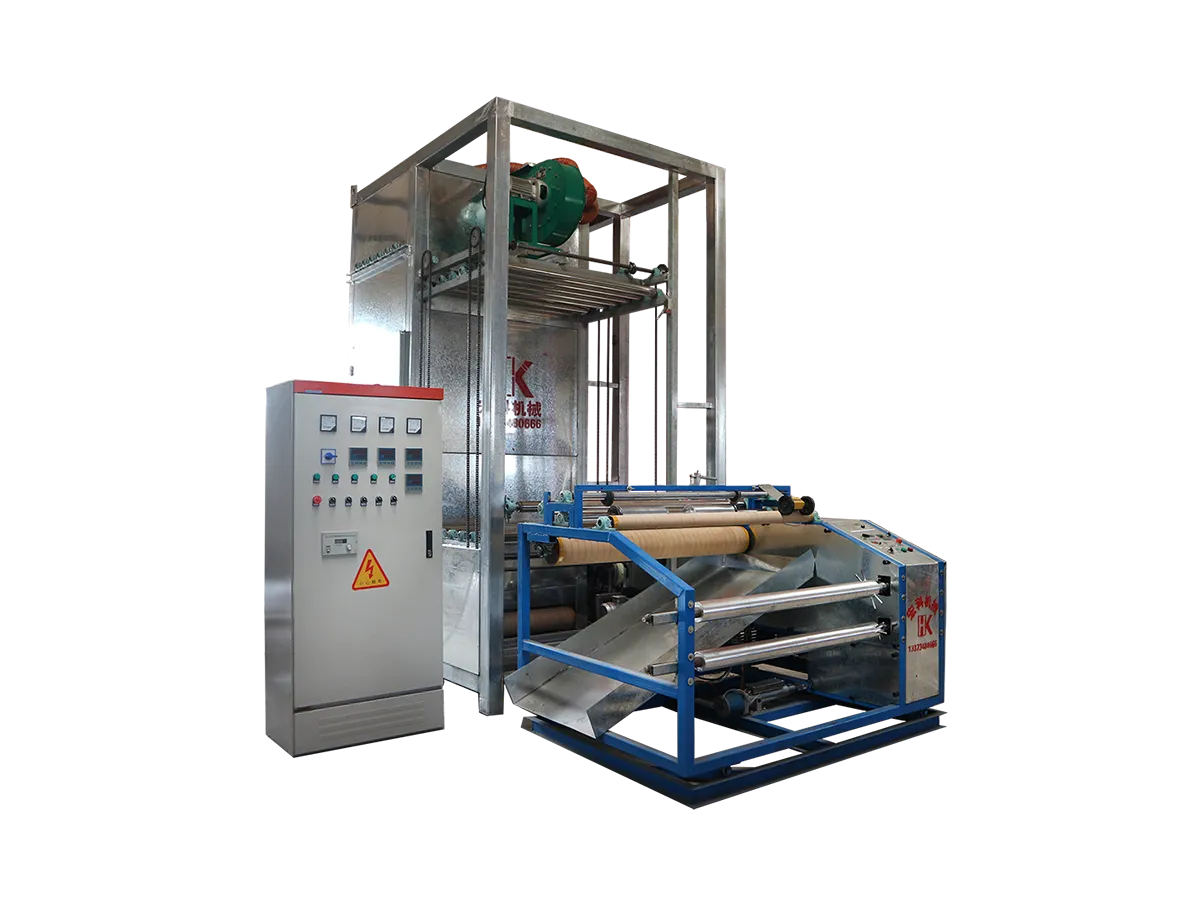



What Exactly Is a Wire Mesh Manufacturing Machine—and Why Does It Matter?
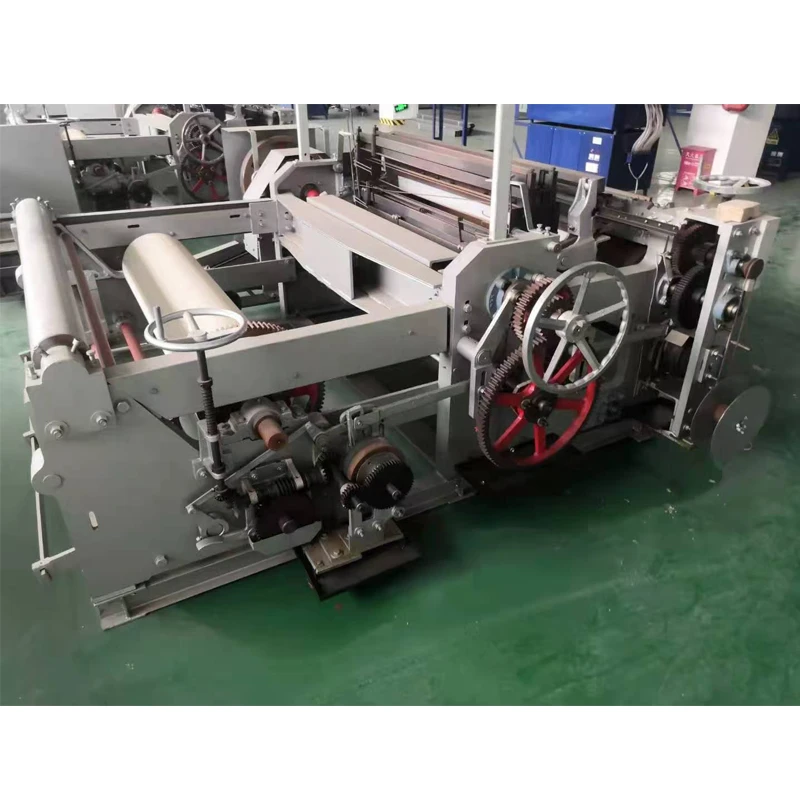
At first glance, a wire mesh manufacturing machine might sound like just another industrial contraption, but it’s really a cornerstone in a vast web of global industries, from construction to agriculture to security. Wire mesh—those crisscrossed patterns of steel or other metals you see in fencing, reinforcing bars, or even delicate filtration systems—starts its journey on machines specialized to weave, weld, or weave & weld wires into precise patterns.
Understanding how these machines work, their role in modern supply chains, and what advantages they bring is more than a niche concern. In a world pushing for safer infrastructure, sustainable production, and cost efficiency, innovations in wire mesh machinery translate directly to better products, lower costs, and potentially safer lives.
The Global Context: Why Wire Mesh Machines Are Vital Today
The global construction market alone is projected to grow by over 5% annually, and wire mesh is often at the heart of this boom — reinforcing concrete, fencing perimeters, or supporting industrial frameworks. According to the International Organization for Standardization (ISO), quality in reinforcement materials directly impacts building longevity and safety, making the machinery that produces them strategically important.
However, rapid urbanization worldwide often comes with challenges like substandard materials flooding markets or delays in supply chains. Efficient wire mesh manufacturing machine production lines help offset these issues by boosting local manufacturing capacity, fostering reliability. This is especially crucial in developing countries, where infrastructure demands are immense but resources remain constrained.
Defining Wire Mesh Manufacturing Machines: The Nuts and Bolts
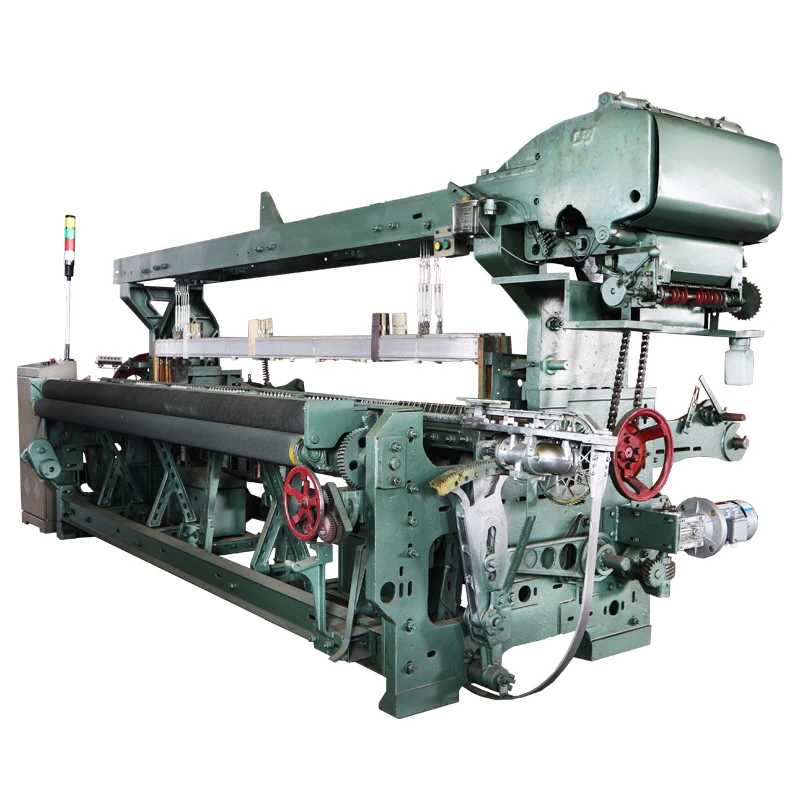
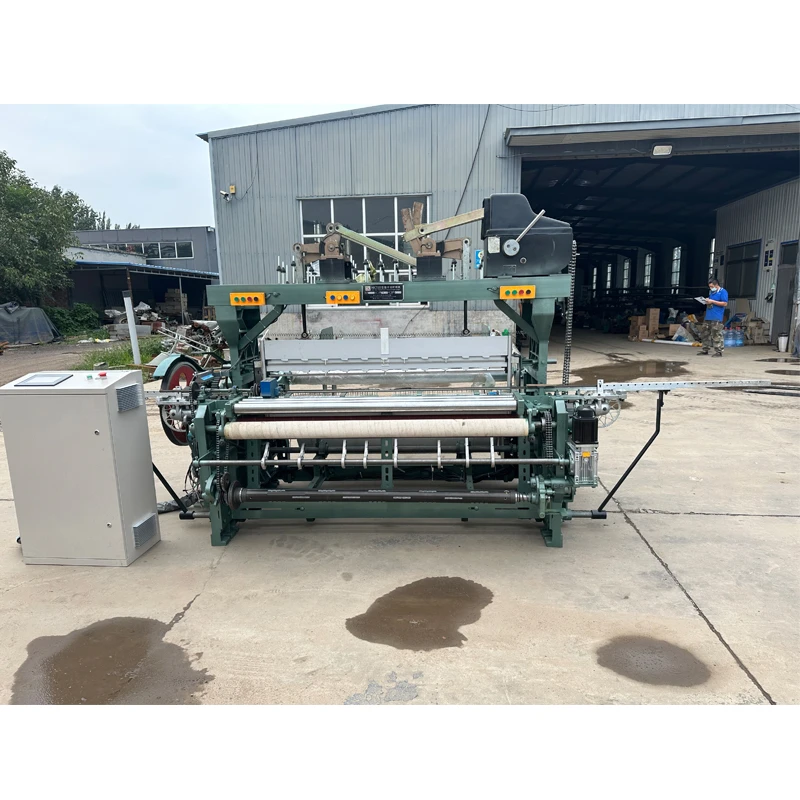
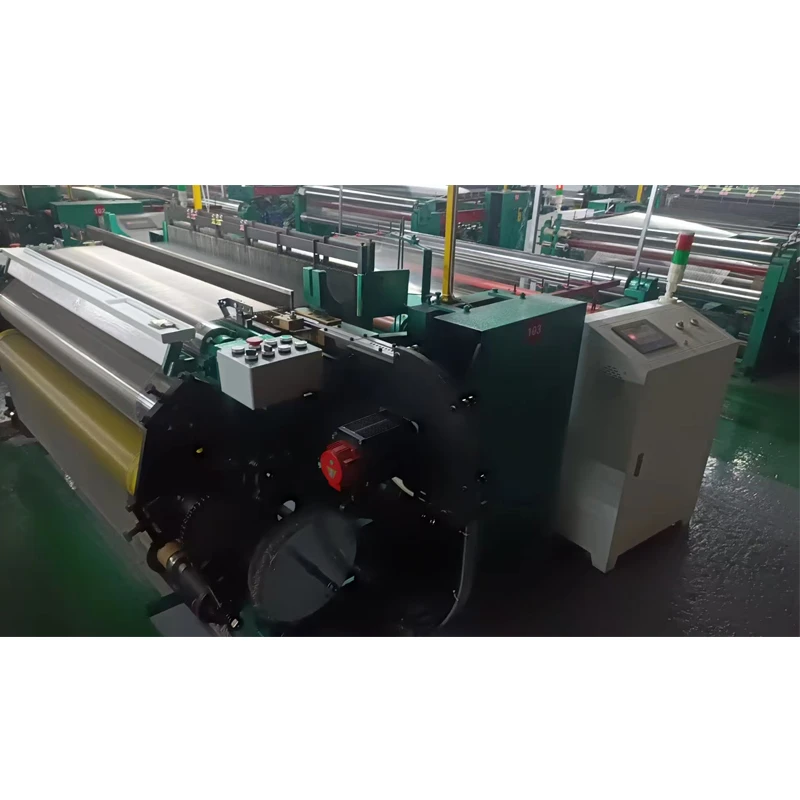
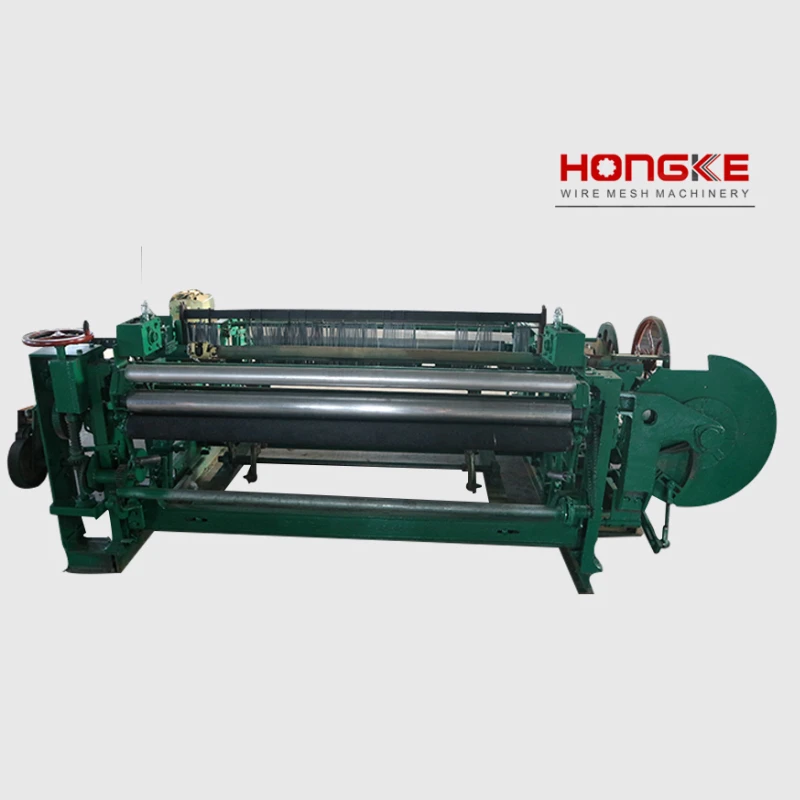
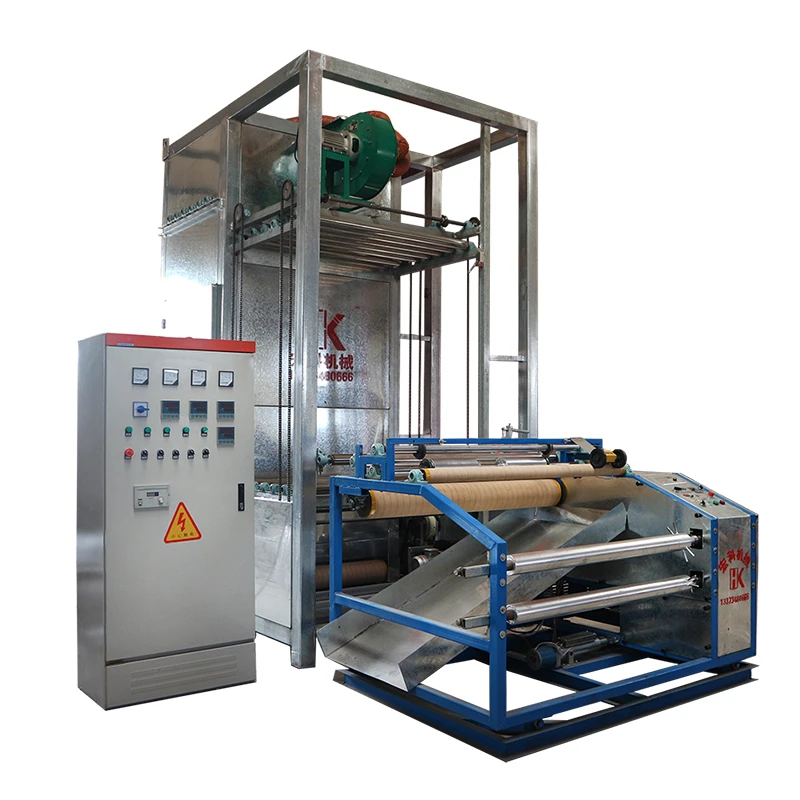
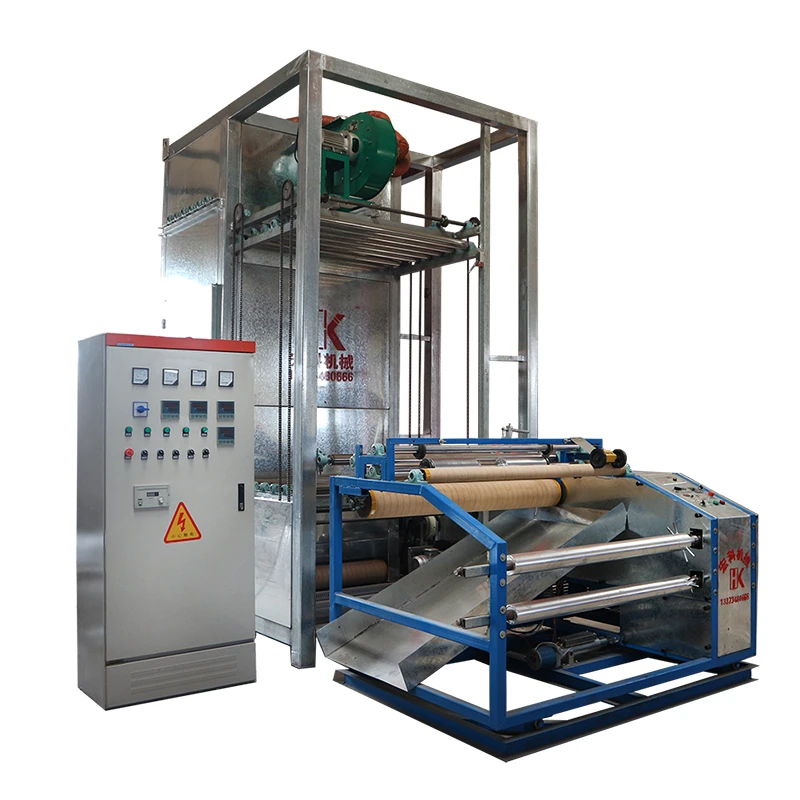
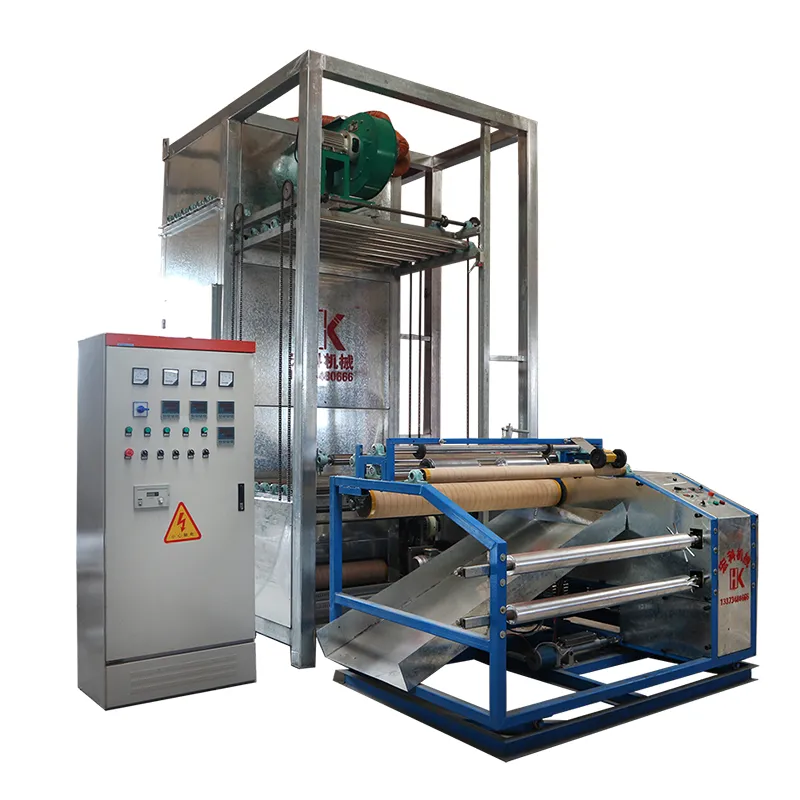
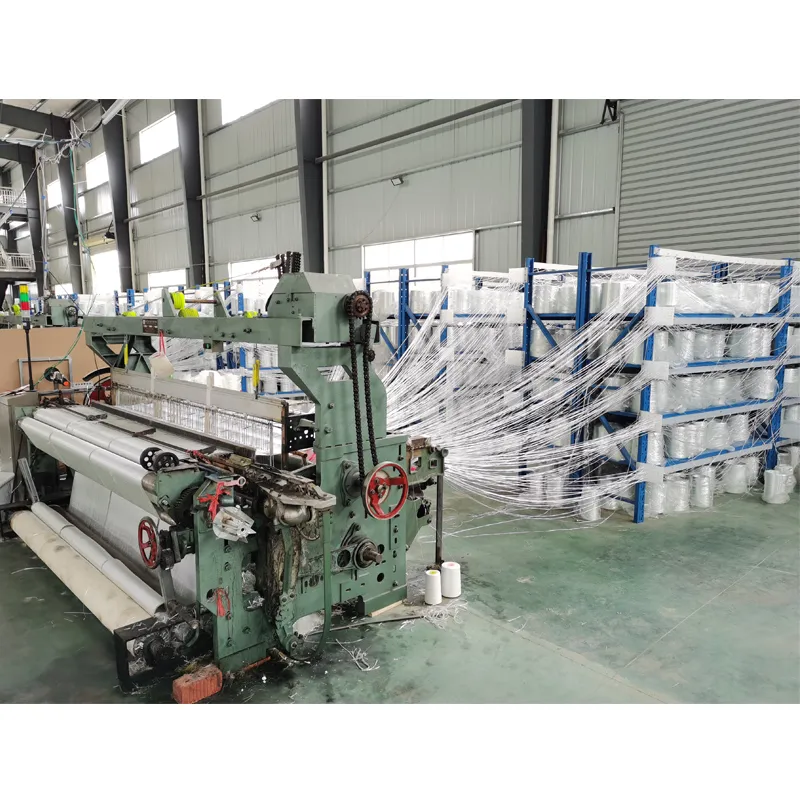
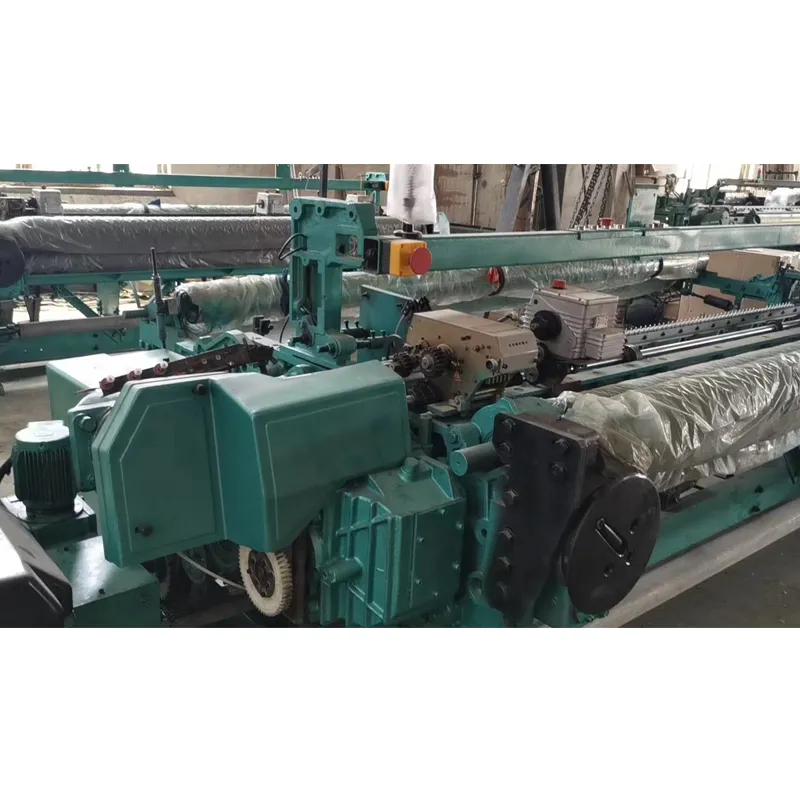
Put simply, a wire mesh manufacturing machine is equipment designed to produce wire mesh either by weaving wires over and under each other or by welding intersecting wires together. Some machines combine the two methods. They come with varying levels of automation, and some integrate digital controls and sensors to monitor quality on the fly.
Their output feeds not just construction sites but also agriculture (think fencing for livestock), erosion control, security barriers, and even filtration industries—quite the unsung manufacturing hero. It's funny how such a simple grid pattern forms the backbone of so many complex structures and projects worldwide.
Key Elements That Make These Machines Tick
1. Durability and Build Quality
These machines must operate continuously in tough environments — often dusty factories, outdoors, or in areas with fluctuating power supply quality. High-grade steel frames and corrosion-resistant components increase lifespan and reduce downtime, especially critical during peak demand seasons.
2. Scalability and Speed
Production demands vary wildly. Some need thousands of square meters a day, others a smaller output but specialized mesh patterns. The best machines offer scalability options—capacity ranges and modular attachments—that adapt to changing business needs.
3. Cost Efficiency and Energy Use
Operating costs are no joke, particularly for manufacturers facing thin margins. Modern wire mesh manufacturing machines often include energy-efficient motors and optimized wire feeding to reduce waste—every savings trick helps, especially given fluctuating metal prices.
4. Automation and Quality Control
From integrated sensors measuring wire tension to software algorithms spotting weld faults, many machines are less "manual" and more "automated assistant" these days. This translates to consistent mesh quality, fewer rejected batches, and less strain on factory workers.
Takeaway:
Understanding these features helps buyers and operators choose the right machine that combines durability, efficiency, and versatility tailored to their needs.
How Wire Mesh Machines Are Making a Global Impact
Around the world, industries harness these machines in fascinating ways. In post-disaster relief operations, quick production of wire mesh supports rebuilding efforts, reinforcing shelters or temporary fencing. Countries in Southeast Asia, Africa, and South America increasingly rely on wire mesh manufacturing machine setups to locally produce quality materials, bypassing import delays.
In developed countries, industrial sectors like mining and filtration also benefit. For example, durable wire mesh filters are essential in water purification plants, securing clean water in urban areas—a reminder that the mesh goes beyond construction alone. It feels like the same piece of equipment quietly boosts safety, sustainability, and economic development globally.
What Are the Long-Term Advantages of Investing in Modern Machines?
- Cost Savings: Lower material waste and energy consumption lead to better profitability.
- Sustainability: Longer-lasting machines using eco-friendly processes reduce environmental footprint.
- Reliability: Consistent quality empowers trust with clients and ensures regulatory compliance.
- Social Impact: Faster production of essential materials aids infrastructure development and public safety.
Emotionally, knowing your workforce works with reliable machinery—and your products contribute to stronger, safer structures—is no small thing. It inspires confidence and fosters innovation within teams.
Wire Mesh Manufacturing Machines: What the Future Holds
The future is leaning toward “smart factories.” Imagine wire mesh machines embedded with IoT sensors that not only track output but predict maintenance needs before breakdowns. Coupled with AI-enabled optimization, manufacturers can tweak speed, tension, and weld strength in real time.
Sustainability trends push adoption of recycled metals and energy-efficient motors, further reducing the carbon footprint. Policies in Europe and Asia are raising standards for machine safety and environmental compliance, pressuring manufacturers to innovate or fall behind.
Challenges and Clever Solutions
Naturally, there are hurdles. One perennial issue is balancing machine sophistication with operator skill. Not every production floor has engineers trained in advanced controls, so usability and training become essential.
Moreover, fluctuating raw material costs can disrupt consistent production planning. Some vendors now offer leasing solutions or adaptable modules accommodating changes in wire diameter or mesh size—good examples of creative problem-solving.
Product Specification Table
| Specification | Typical Range | Notes |
|---|---|---|
| Wire Diameter | 0.5mm – 6mm | Depends on wire type and machine model |
| Mesh Opening | 5mm – 150mm | Customizable per order |
| Production Speed | 500 to 2000 sqm/day | Varies with mesh size & automation level |
| Power Consumption | 10 – 25 kW | Energy efficient models available |
| Machine Weight | 1500 – 3500 kg | Transport considerations apply |
Vendor Comparison Table
| Vendor | Automation Level | Price Range (USD) | Warranty | Unique Selling Point |
|---|---|---|---|---|
| Apex Machinery | Semi-automatic | $25,000 - $40,000 | 2 years | Robust build, great for medium factories |
| TechWire Solutions | Fully automatic | $50,000 - $80,000 | 3 years | IoT integration, real-time QC |
| GreenFab Industries | Automatic with eco features | $45,000 - $70,000 | 2.5 years | Energy-efficient motors & recycled metal compatibility |
FAQ: Your Questions About Wire Mesh Manufacturing Machines Answered
Q1: How do I choose the right wire mesh machine for small vs. large-scale production?
For small-scale needs, semi-automatic machines with modular attachments provide flexibility and lower upfront costs. Larger operations benefit from fully automated lines that maximize speed and quality control. Consider your daily mesh output, budget, and available operator expertise before deciding.
Q2: Can these machines handle different wire materials, like stainless steel or galvanized wire?
Most modern wire mesh manufacturing machines are adaptable to a range of wire materials, including stainless steel, galvanized steel, and even aluminum wires. Be sure to verify the machine’s specs and feed rollers compatibility to avoid costly adjustments or limitations later.
Q3: What kind of maintenance do wire mesh machines require?
Regular lubrication, checking tension systems, and monitoring welding heads’ condition are essential. Many vendors offer maintenance packages or remote monitoring tools that alert you early when parts wear out, preventing costly downtime.
Q4: Are there eco-friendly options for wire mesh production?
Yes! Increasingly, companies like GreenFab Industries offer energy-efficient machines designed for use with recycled metals and minimal waste. Additionally, solar or green energy-powered factories complement these machines to reduce environmental impact.
Conclusion: Why Investing in Quality Wire Mesh Manufacturing Machines Counts
The humble wire mesh manufacturing machine sits at a fascinating intersection of tradition and innovation. Its role in reinforcing our built environment, supporting agriculture, and enhancing industrial processes can’t be overstated. Choosing the right machine today means improved sustainability, cost savings, and production quality tomorrow.
If you want to explore the latest equipment and expert advice, don't hesitate to visit our website at https://www.aphkmachinery.com — your gateway to upgrading your production capabilities with the best wire mesh manufacturing machines on the market.