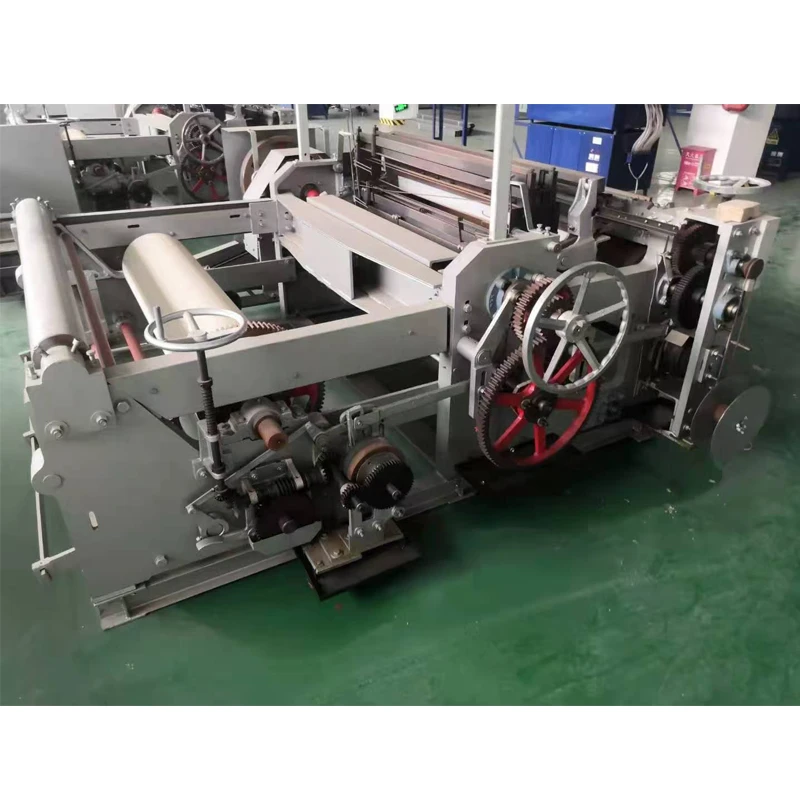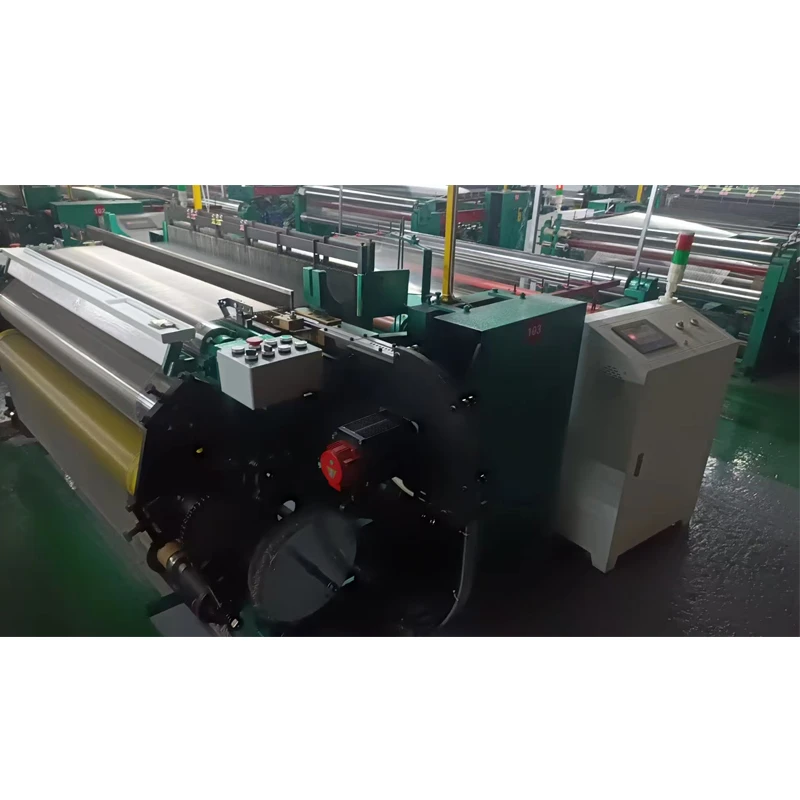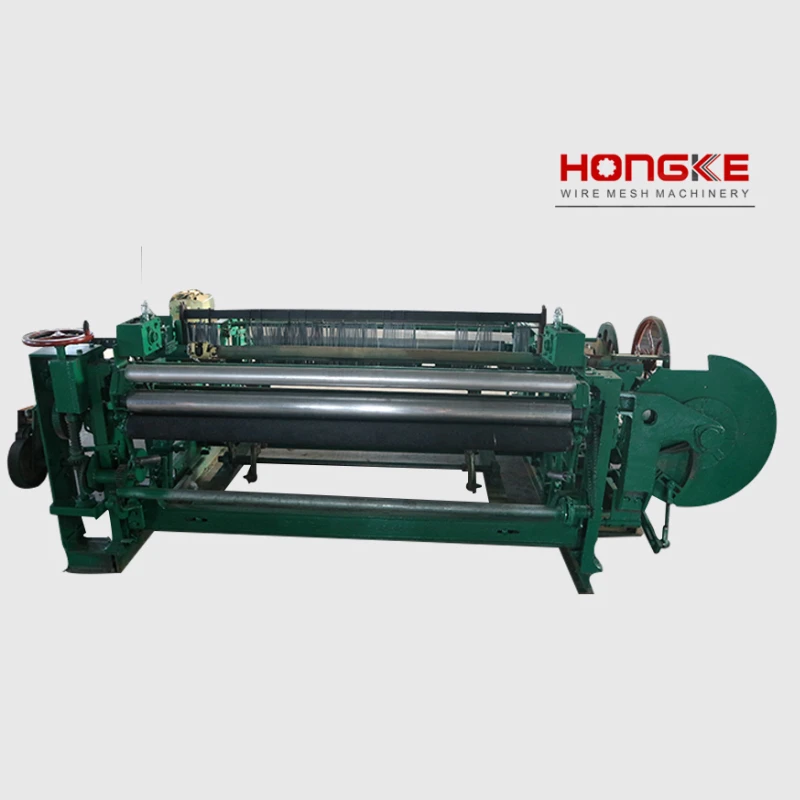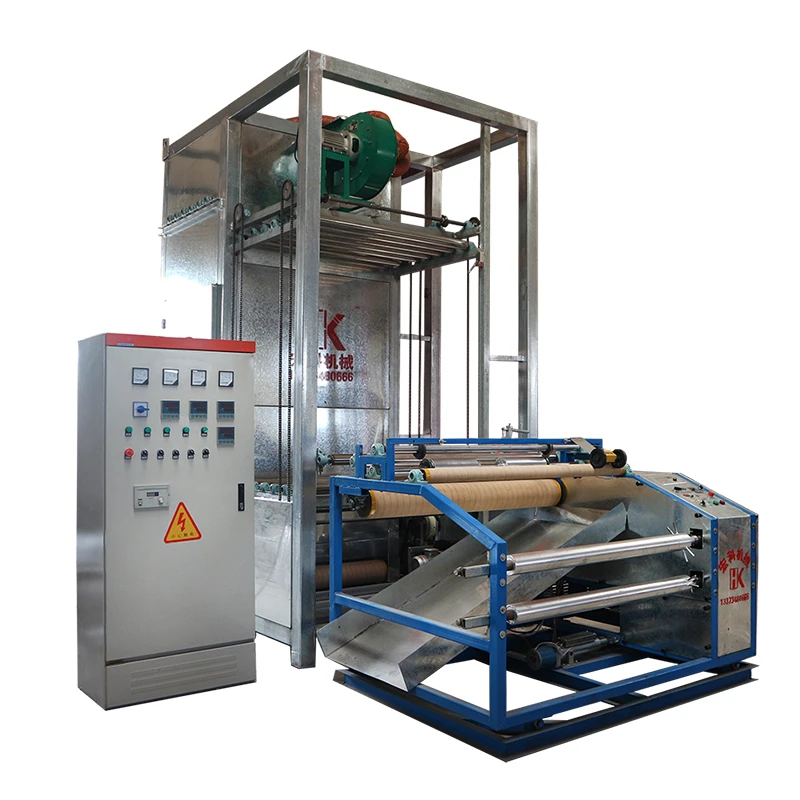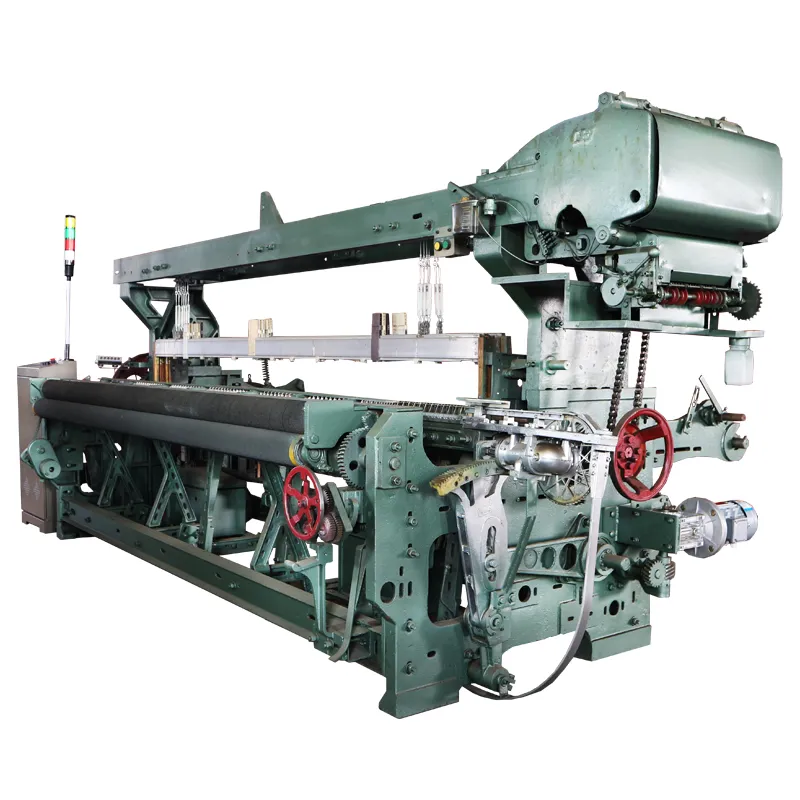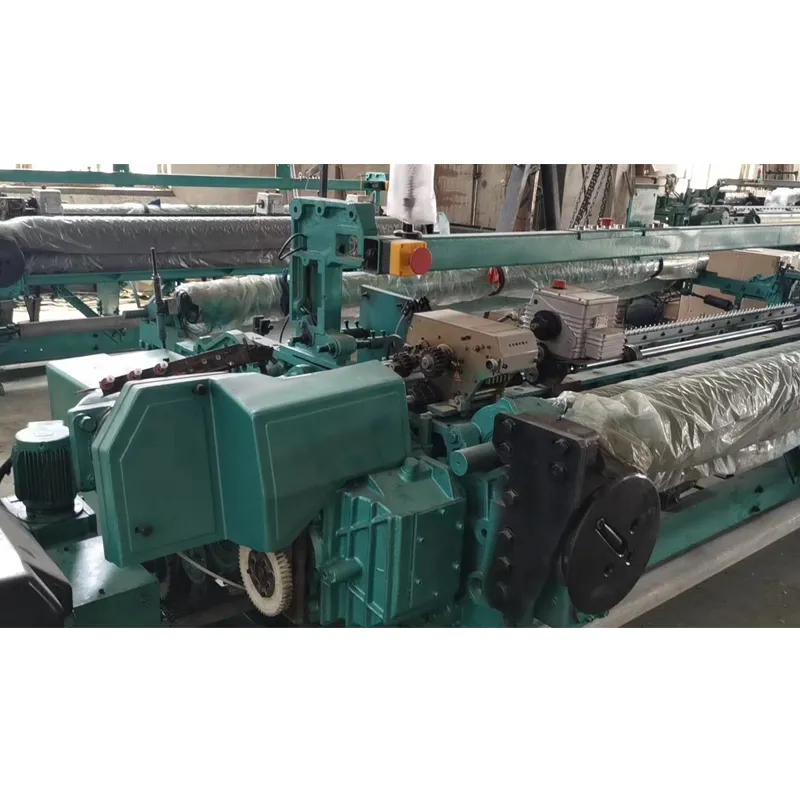



Fiberglass Mesh Weaving Machines Exporter: An Industrial Backbone for Modern Manufacturing
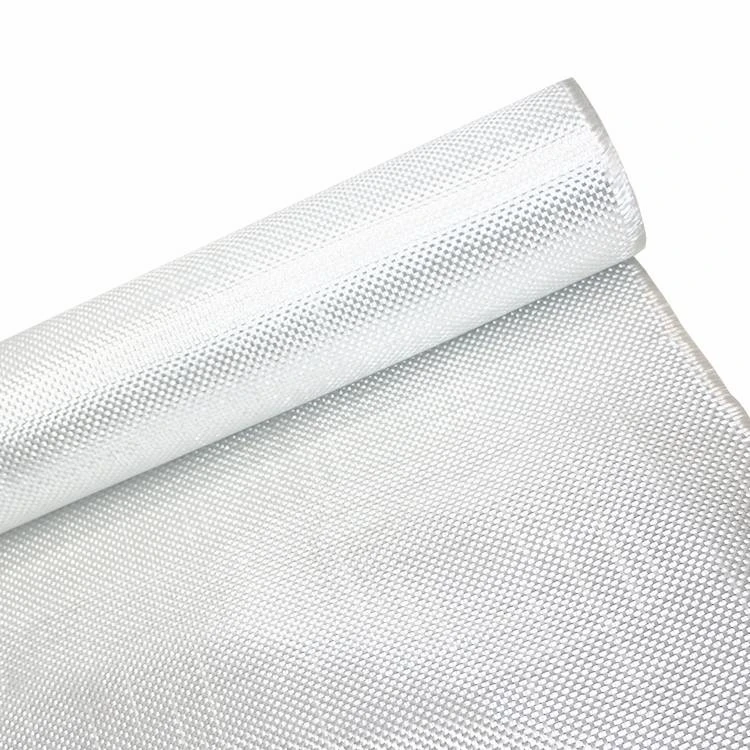
If you’ve ever admired the strength and durability of a building façade or marveled at lightweight composites in aerospace, you probably owe a nod to fiberglass mesh. Behind its production lies a crucial player — the fiberglass mesh weaving machines exporter. This niche, yet vital, sector fuels industries worldwide by supplying sophisticated machinery that weaves fiberglass yarn into robust mesh fabrics. These machines don’t just underpin construction and automotive sectors; they play a role in sustainable infrastructure, disaster relief shelters, and even art installations. Globally, as demand for stronger, lighter, and more resistant materials grows, understanding the role and benefits of these exporters becomes essential—not just for buyers, but for anyone interested in industrial innovation and global trade.
Global Context: Why Fiberglass Mesh Weaving Machines Matter Today
Fiberglass mesh itself is a high-performance material, prized worldwide for features like corrosion resistance and tensile strength. According to the International Organization for Standardization (ISO), material standards for fiberglass composites have become increasingly stringent due to environmental and safety demands. Consequently, the need for advanced weaving machinery has surged.
Globally, exports of fiberglass mesh weaving machines are not just a matter of commerce but a response to challenges like infrastructure decay, climate resilience, and post-disaster rebuilding. The World Bank reports billions invested annually in construction upgrades where fiberglass meshes play a pivotal role. However, sourcing high-quality weaving equipment is often a bottleneck in emerging economies.
Here’s where the fiberglass mesh weaving machines exporter steps in, bridging supply and demand with technical expertise, global delivery, and after-sales support.
What Exactly Is a Fiberglass Mesh Weaving Machine Exporter?
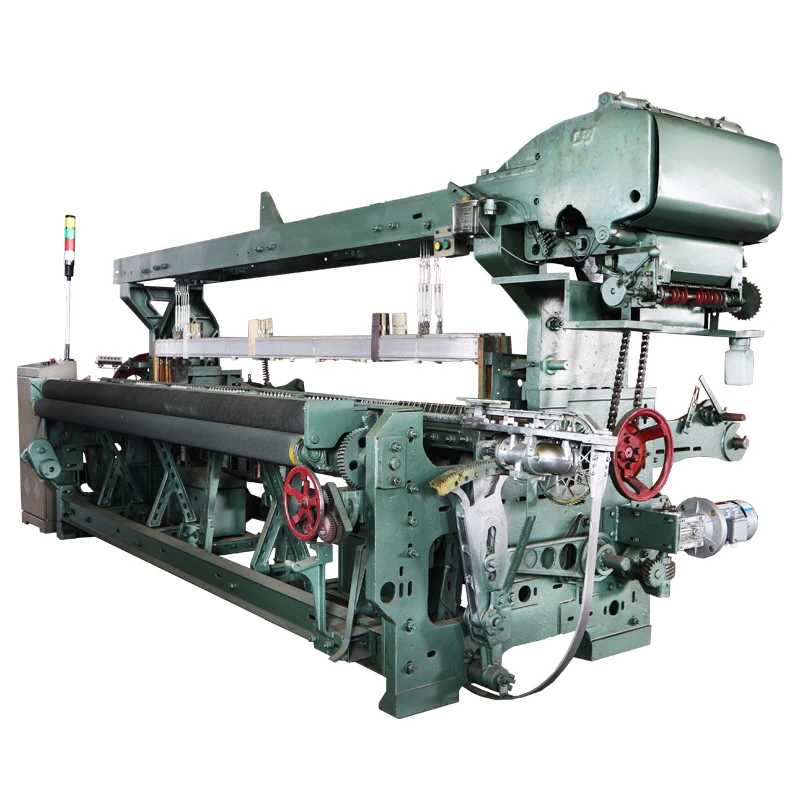
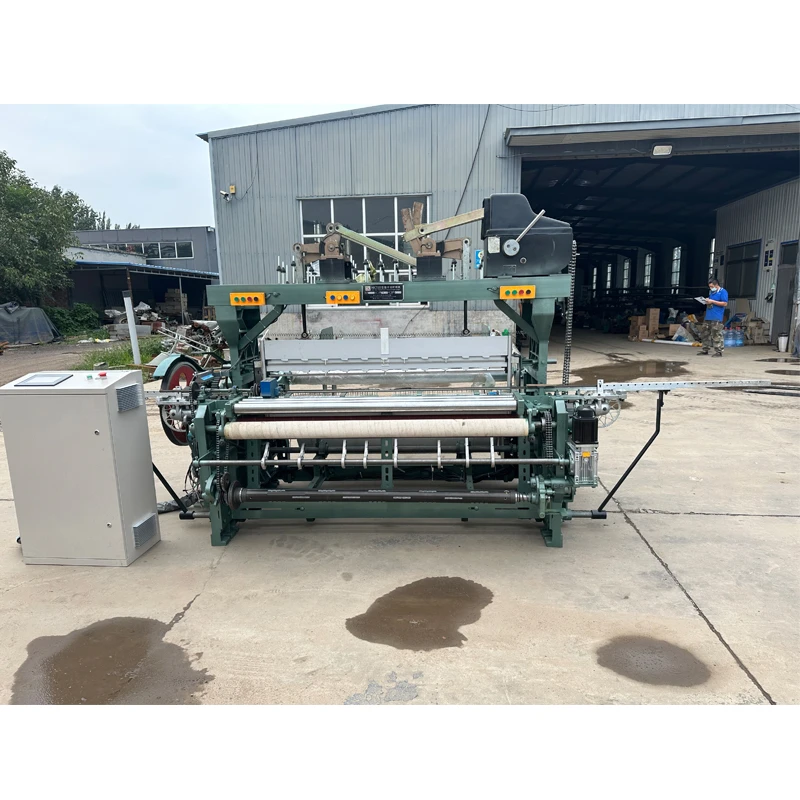
In the simplest terms, a fiberglass mesh weaving machines exporter is a company or entity that sells, ships, and supports weaving machinery specialized in producing fiberglass mesh. These exporters often represent manufacturers, provide customization options to clients, and ensure machines meet international standards. Their expertise links production technology and global markets, which is vital for industries relying on fiberglass mesh to upgrade buildings, reinforce materials, and innovate product design.
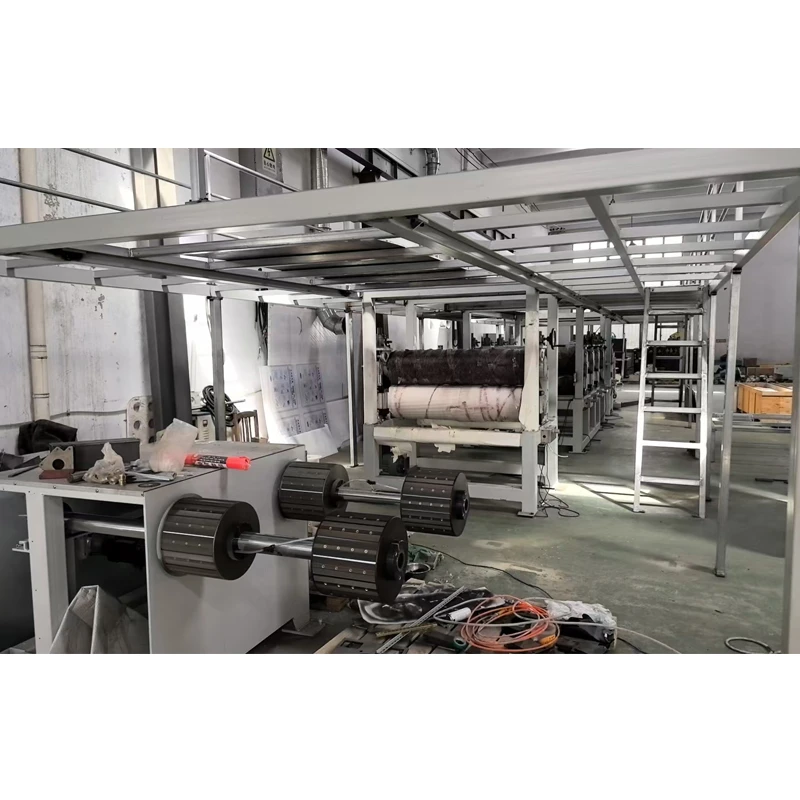
Modern manufacturing, especially in composite materials, relies heavily on precision equipment to deliver consistent mesh quality — beyond the capacity of simpler manual or local setups. So, exporters often serve as technical consultants, too, which aligns the machinery’s capabilities with specific industry needs like aerospace, civil engineering, or marine applications.
Core Components and Key Factors in the Industry
1. Durability of Machinery
Fiberglass mesh weaving requires machines built to last because the high-tension fibers can strain equipment rapidly. Exporters emphasize exporting robust equipment with wear-resistant parts to maximize uptime.
2. Scalability and Customization
Different clients may need mesh widths from under a meter to several meters — a flexible exporter can offer modular machines or varied models to cover these bases.
3. Precision Control
Because the mesh pattern affects strength, weaving accuracy is paramount. Many exporters focus on machines with computerized control systems that allow fine adjustments and consistent output.
4. Cost Efficiency
Beyond the purchase price, energy consumption, maintenance needs, and production speed all impact total cost. A reputable exporter provides equipment optimized for all these factors.
5. After-Sales Service and Support
Given the technical complexity, exporters with strong global service networks help clients navigate installation, operation, and troubleshooting.
Product Specification Table
| Specification | Typical Values | Notes |
|---|---|---|
| Mesh Width | 1m to 5m | Customizable according to demand |
| Weaving Speed | 30-100 m/min | Depends on model and structure |
| Power Consumption | 5-15 kW | Efficient motors preferred |
| Control System | PLC with touchscreen interfaces | For accuracy and ease of operation |
| Material Compatibility | E-glass, C-glass fibers | Varied fiber types supported |
Global Applications & Use Cases
- Construction Industry: Fiberglass mesh reinforcement is standard in concrete facades and bridges worldwide, from North America to Southeast Asia.
- Disaster Relief Housing: Rapid-deploy mesh supports insulating layers and structural reinforcement in emergency shelters, especially in cyclone-prone regions like the Caribbean.
- Aerospace and Automotive: Lightweight fiberglass mesh is integral in compositing parts that reduce vehicle weight and improve fuel efficiency.
- Marine & Offshore: Corrosion-resistant mesh is used in hull and deck reinforcements, particularly in harsh saltwater environments.
Interestingly, many NGOs and manufacturers involved in sustainable housing solutions rely on expert exporters who understand local regulatory requirements and shipping logistics. fiberglass mesh weaving machines exporter networks enable smooth integration and tailored machine setups, critical for remote or developing regions.
Vendor Comparison Table
| Vendor | Price Range (USD) | Customization Options | After-Sales Support | Lead Time |
|---|---|---|---|---|
| Alpha Weave Tech | 30,000 - 45,000 | High | Global support centers | 6-8 weeks |
| Beta Mesh Exporters | 25,000 - 40,000 | Medium | Limited regional support | 4-6 weeks |
| Gamma Industrial Ltd. | 35,000 - 50,000 | High | Comprehensive training & support | 8-10 weeks |
Advantages and Long-Term Value
Choosing the right fiberglass mesh weaving machines exporter is more than budget shopping. There’s a deep value in durability, precision, and service which translates to:
- Cost Efficiency: Longer machine lifespan and improved mesh consistency reduce defects and scrap.
- Sustainability: High-quality mesh prolongs building life, reducing resource use and environmental impact.
- Social Impact: In emergency housing and infrastructure projects, durable mesh enhances safety and dignity.
- Innovation Catalyst: Cutting-edge machinery allows manufacturers to experiment with new mesh architectures, leading to better products.
Emerging Trends in Fiberglass Mesh Weaving Machinery
As automation and digital tech advance, many exporters now integrate IoT sensors and AI-driven diagnostics into machines — leading to predictive maintenance and minimal downtime. Meanwhile, there’s growing interest in using bio-based glass fibers and eco-friendly resins compatible with weaving machines, aligning with global climate commitments. In real terms, this means machinery suppliers are not just selling a product, but a future-ready industrial solution.
Challenges and Expert Solutions
Despite the promise, challenges persist. Exporters often face high shipping costs and regulatory delays — especially in politically sensitive or remote areas. Complex machinery requires skilled operators, which may not be readily available globally. Forward-thinking exporters mitigate these by offering remote training modules, regional technician partnerships, and modular machine designs that simplify maintenance.
FAQ: Frequently Asked Questions About Fiberglass Mesh Weaving Machines Exporter
- Q: How do fiberglass mesh weaving machines improve construction quality?
- A: These machines produce consistent, high-strength mesh that significantly enhances structural reinforcement — reducing cracks and increasing lifespan compared to traditional reinforcement methods.
- Q: Can exporters customize machines for specific fiber types?
- A: Yes. Most exporters work closely with manufacturers to tailor weaving mechanisms, accommodating E-glass, C-glass, or specialty fibers to meet precise industry specifications.
- Q: What support options are available after purchasing a machine?
- A: Reputable exporters provide comprehensive support including installation, operator training, spare parts supply, and remote troubleshooting to ensure smooth operation.
- Q: How long does it take to receive an order from a typical fiberglass mesh weaving machines exporter?
- A: Lead times generally range from 4 to 10 weeks depending on customization level, machine availability, and shipping logistics.
Conclusion: A Strong Weave Into the Future
In the quest for resilience and efficiency across industries, the role of a fiberglass mesh weaving machines exporter is undeniably central. Their expertise, product quality, and customer care lay the foundation for innovations in construction, manufacturing, and beyond. For businesses and organizations aiming to tap into global supply chains with confidence, partnering with capable exporters is a smart, long-term investment.
Curious to explore more or ready to upgrade your production capabilities? Visit our website: https://www.aphkmachinery.com — your gateway to world-class fiberglass mesh weaving technology.
It kind of feels like without these exporters, much of the modern industrial mesh magic wouldn’t be possible, doesn’t it?