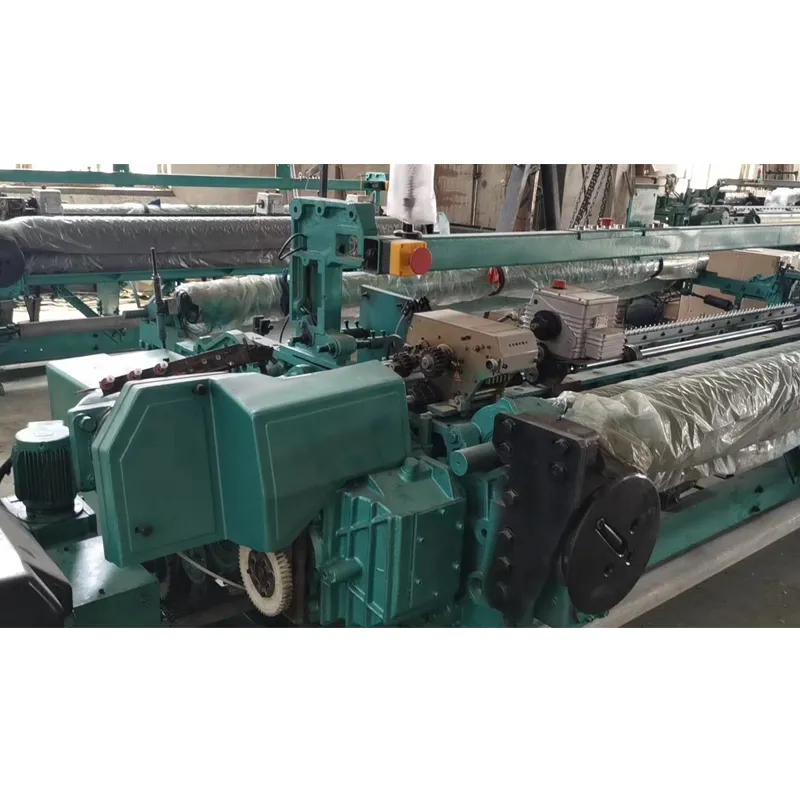



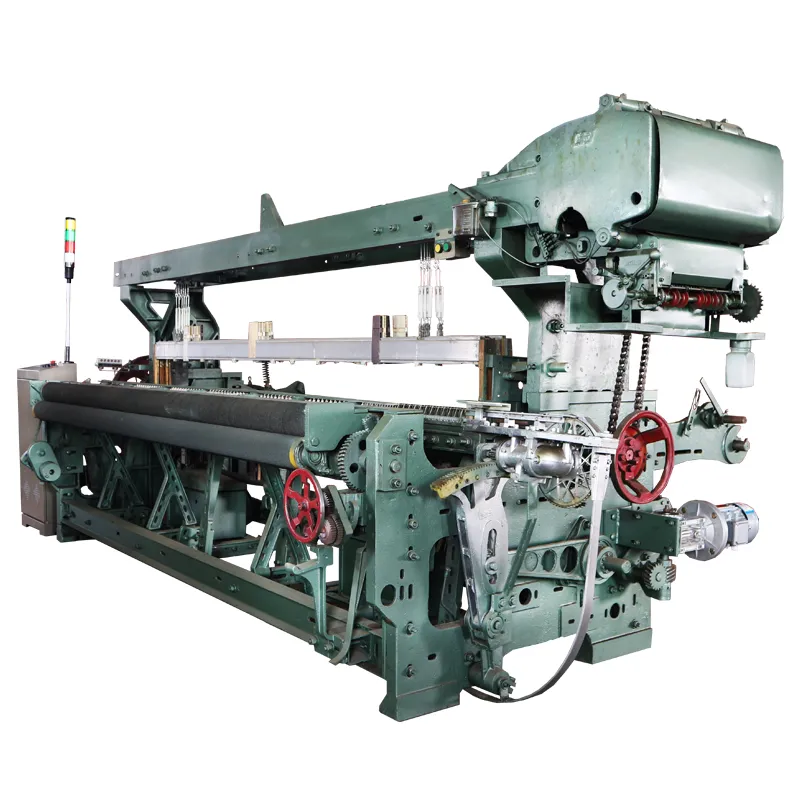
Manufacturing high-quality fiberglass mosquito nets requires precision, durability, and efficiency. The Fiberglass Mosquito Net Machine is a specialized production line designed to meet these demands. This article provides an in-depth analysis of the product's features, technical specifications, applications, and the company behind it. For more details, visit the official product page.
Company Background: Anping Hongke Wire Mesh Machinery Factory
Anping Hongke Wire Mesh Machinery Factory (安平县宏科丝网机械有限公司) is a leading manufacturer of industrial weaving and coating machinery. With a focus on fiberglass mesh production, the company has established itself as a reliable supplier of solutions for window screens, mosquito nets, and other textile applications. Their machines are designed to meet global standards, ensuring consistency and quality in output. For more information about the company, explore their website.
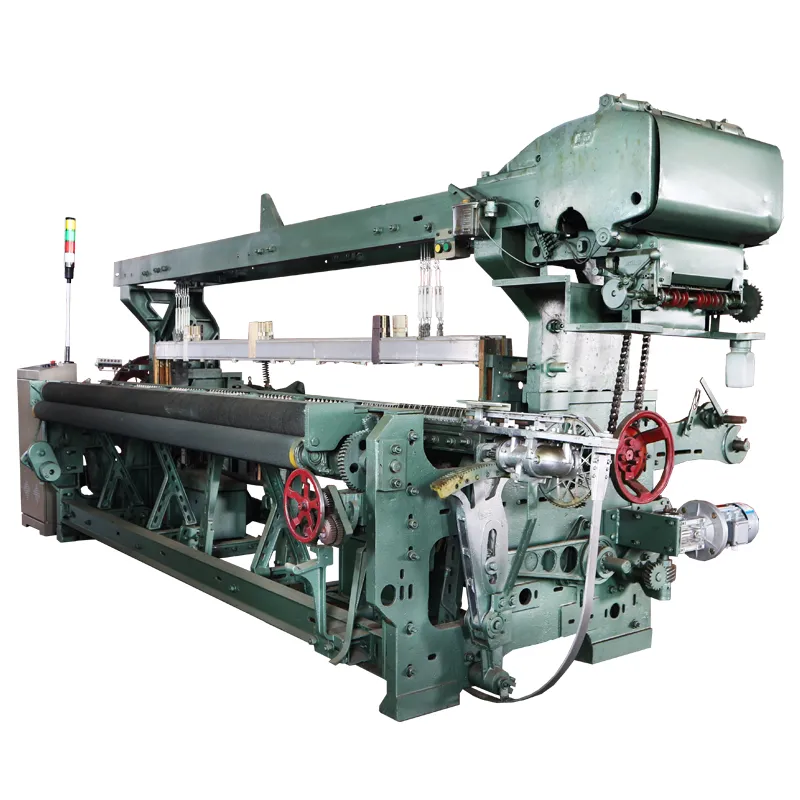
Read More About fiberglass yarn coating machine
Product Overview: Key Components of the Production Line
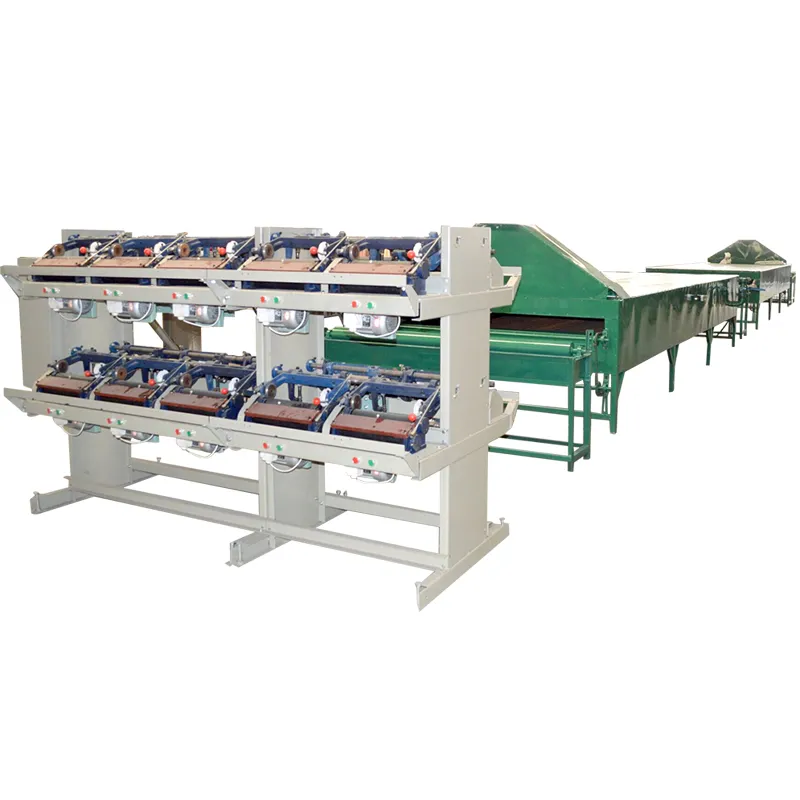
The Fiberglass Mosquito Net Machine is a complete production line that includes the following key components:
- Fiberglass Yarn PVC Coating Machine
- Warping Machine
- Weaving Machine
- Shaping Machine
- Mesh Quality Inspection Machine
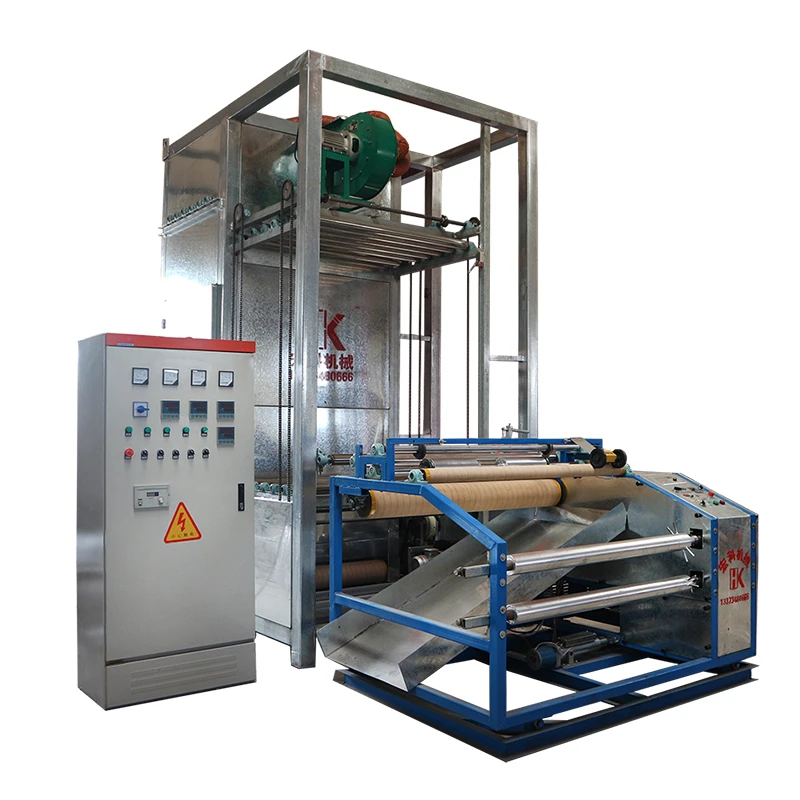
1. Fiberglass Yarn PVC Coating Machine
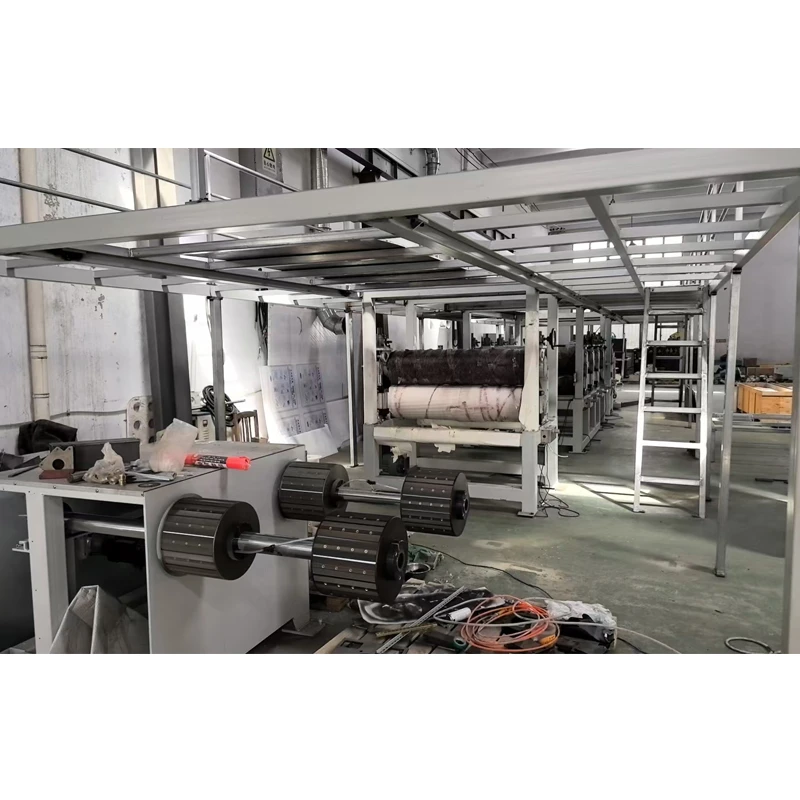
The fiberglass yarn coating machine is designed to apply PVC resin to glass fiber yarn, enhancing its tensile strength, flexibility, and surface finish. This process ensures the yarn meets the rigorous demands of window screen production. Key features include:
- 26-meter length, 2-meter height, and 1.8-meter width
- 18 kW power consumption
- 24-hour output of 800 kg (28-30 threads)
Despite its advanced capabilities, the manufacturer notes that the machine is not strictly necessary, as raw fiberglass yarn can be purchased directly. However, for in-house production, this coating machine is essential for achieving optimal performance.
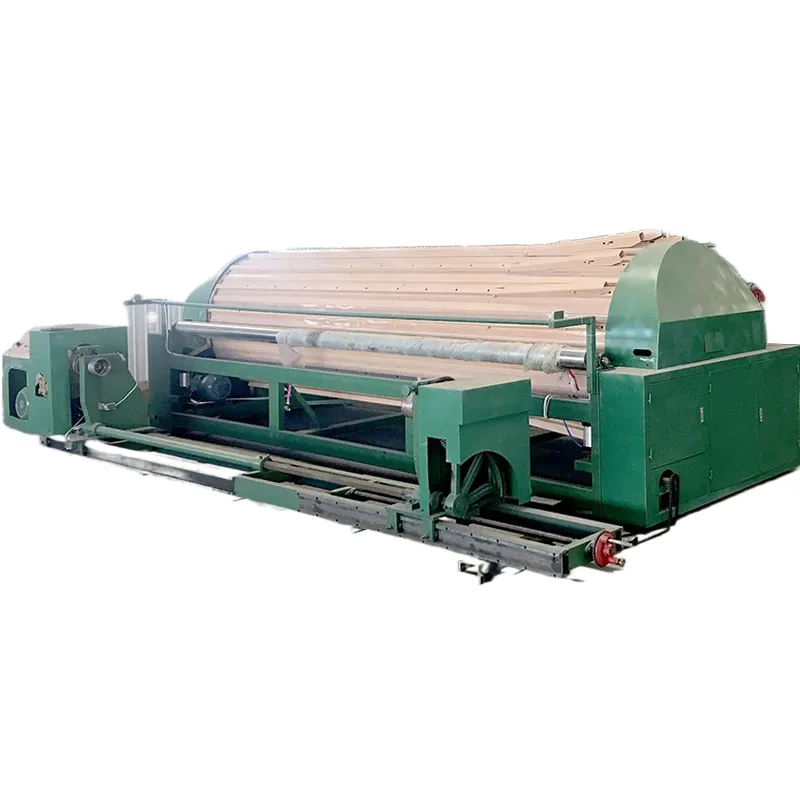
Read More About spinning and weaving machine
2. Warping Machine
The warping machine is critical for preparing glass fiber yarn for weaving. It ensures uniform tension and arrangement of warp threads. Two main models are available:
- 260 Type
- 280 Type
- 320 Type
Technical specifications for the 260 Type include:
| Machine Size | L4.2m × W1.75m × H1.25m |
|---|---|
| Power | 15 kW |
| Weight | 2 tons (excluding yarn rack) |
| Winding Speed | 800-1200 meters per hour |
| Main Advantages | High stability, high automation, simple operation, uniform warp tension, high output |
The warping machine ensures that the warp yarn is ready for the weaving process, maintaining consistent quality and efficiency.
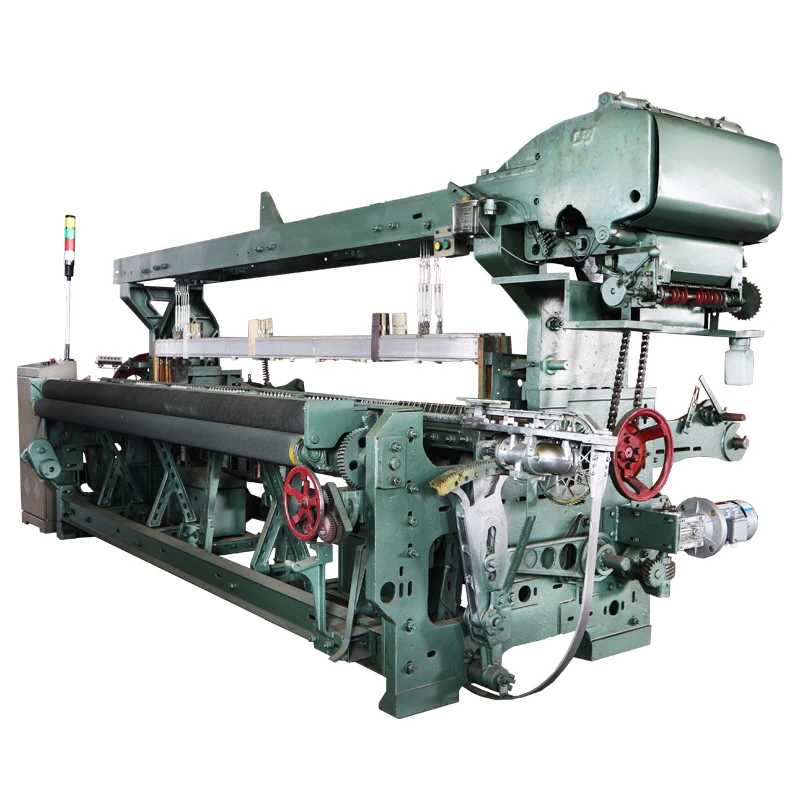
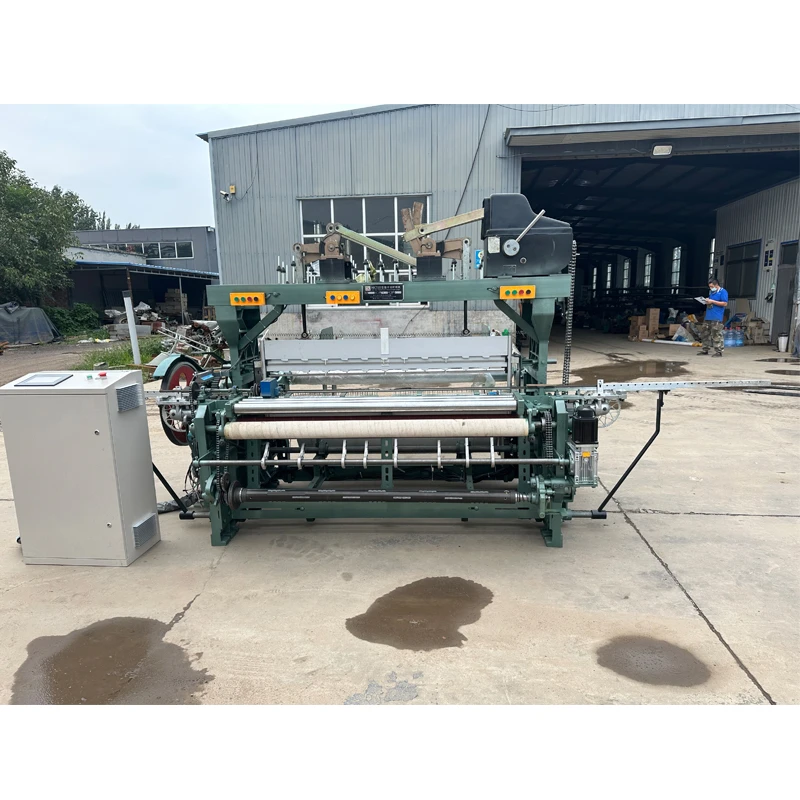
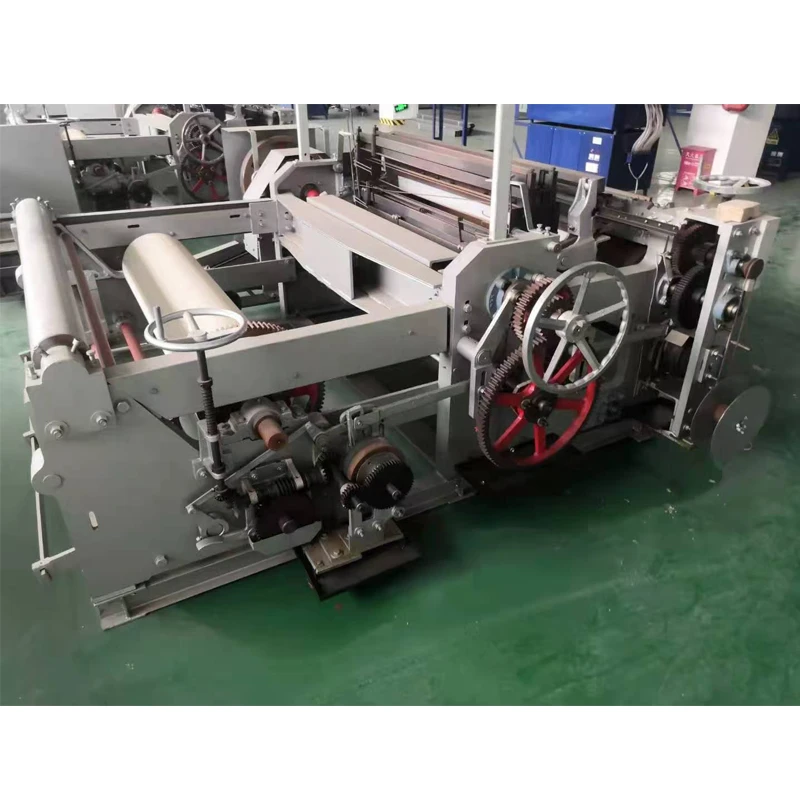
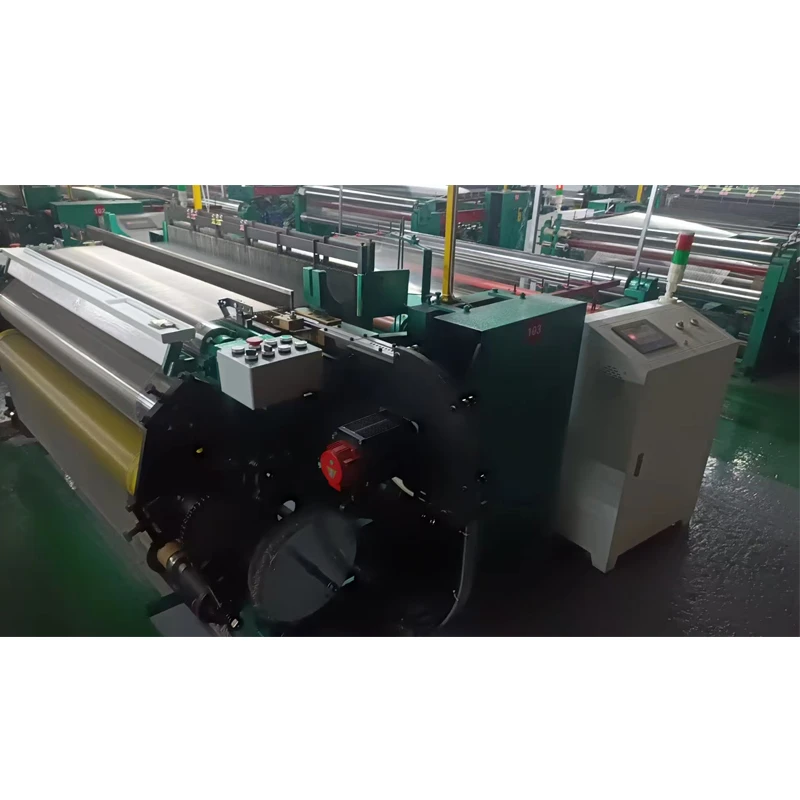
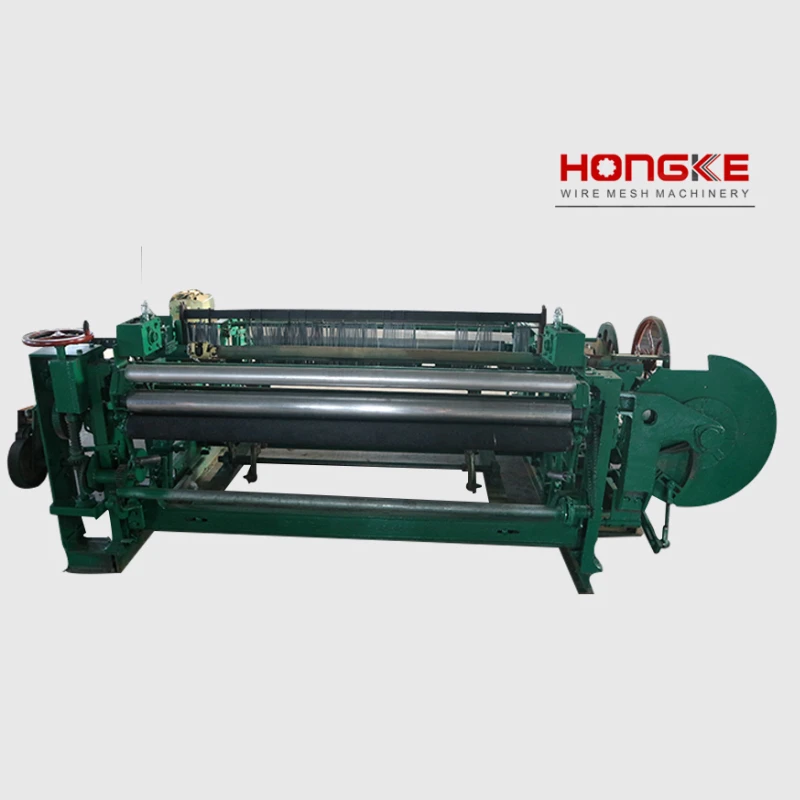
3. Weaving Machine
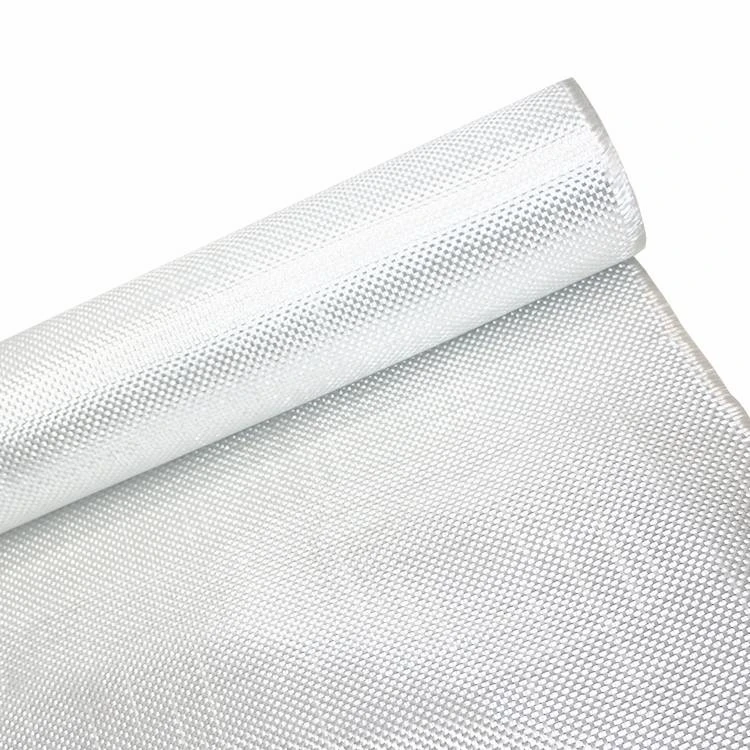
The weaving machine transforms warp and weft yarns into invisible window screens. The 260 Type model is particularly notable for its advanced technology, producing flat mesh surfaces with clear textures and square patterns. Key specifications include:
| Machine Size | L4.2m × W1.8m × H1.45m |
|---|---|
| Power | 1.5 kW |
| Weight | 1.8 tons |
| Speed | 135-165 times per minute |
The machine’s high production efficiency and precision make it ideal for large-scale manufacturing.
Read More About fiberglass mesh machine
4. Shaping Machine
The shaping machine uses high-temperature processes to bond warp and weft yarns, enhancing the mesh’s strength, aesthetics, and flatness. Key features include:
- Electric heating system
- 320-meter length, 32-meter width, and 4.5-meter height
- 220 kW power consumption
- 4 ovens for magnetic powder winding
- Production rate: 2000-2200 meters per hour
5. Mesh Quality Inspection Machine
This machine ensures the final product meets quality standards. It includes:
- Length and density monitoring
- Electric machinery power: 2.2 kW
- External size: 3100 × 920 × 1550 mm
- Gross weight: 500 kg
- Capacity: Supports 8 sets of weaving machines
Technical Specifications Table
| Component | Model | Size | Power | Weight | Speed/Output |
|---|---|---|---|---|---|
| Fiberglass Yarn Coating Machine | N/A | 26m × 2m × 1.8m | 18 kW | N/A | 800 kg/24h |
| Warping Machine | 260 Type | 4.2m × 1.75m × 1.25m | 15 kW | 2 tons | 800-1200 m/h |
| Weaving Machine | 260 Type | 4.2m × 1.8m × 1.45m | 1.5 kW | 1.8 tons | 135-165 rpm |
| Shaping Machine | N/A | 320m × 32m × 4.5m | 220 kW | N/A | 2000-2200 m/h |
| Mesh Quality Inspection Machine | N/A | 3100 × 920 × 1550 mm | 2.2 kW | 500 kg | Supports 8 weaving machines |
Applications and Industry Relevance
The Fiberglass Mosquito Net Machine is widely used in the production of:
- Window screens: Providing durable, UV-resistant solutions for residential and commercial buildings.
- Mosquito nets: Ensuring effective pest control with high tensile strength and longevity.
- Industrial mesh: Used in filtration, construction, and other specialized applications.
According to NIST standards for industrial machinery, the precision and efficiency of such production lines are critical for maintaining product quality and operational safety. While the specific NIST page referenced in the context could not be retrieved, the principles of quality control and technological innovation are universally applicable in manufacturing.
Advantages of the Fiberglass Mosquito Net Machine
- High Automation: Reduces manual labor and increases production efficiency.
- Durability: PVC-coated yarn enhances resistance to wear and environmental factors.
- Customization: Supports various mesh specifications (e.g., 14 × 17, 16 × 18, 20 × 20).
- Scalability: Suitable for both small-scale and large-scale production.
Conclusion
The Fiberglass Mosquito Net Machine represents a significant advancement in textile manufacturing, offering a comprehensive solution for producing high-quality mosquito nets and window screens. With its advanced technology, precise engineering, and robust performance, the system is a valuable asset for manufacturers seeking to meet industry demands. For further details, visit the product page or explore the company website.
References
National Institute of Standards and Technology (NIST). Retrieved from https://www.nist.gov. Note: The specific page referenced in the context could not be found, but NIST's guidelines on industrial standards are widely recognized in the manufacturing sector.