


Why the Prepreg Machine Market Matters in Today's Industry
If you’re reading this, chances are you’ve come across the term prepreg machine market at some point, whether in manufacturing trade shows, industry reports, or whispered among materials engineers. But what is it, and why should anyone outside niche factories care? Well, prepreg machines—those ingenious devices that create pre-impregnated composite materials—are quietly revolutionizing sectors as diverse as aerospace, automotive, wind energy, and even sports equipment.
Understanding this market isn’t just a technical curiosity; it’s about grasping the pulse of modern manufacturing’s efficiency and sustainability. As the world races to reduce emissions and build stronger, lighter, and more durable products, the prepreg machine market stands front and center as a driver of innovation—and cost savings.
So, pull up a chair, and let's take a semi-technical stroll through what makes this market tick and why it’s suddenly a buzzword on many industrial lips.
Global Perspective: Why the Prepreg Machine Market is a Worldwide Focus
Globally, the demand for advanced composite materials is soaring—expected to reach various billions of dollars in the next decade according to ISO and other bodies. Why? Because lightweight yet strong materials reduce energy consumption in transportation, allow for innovative product designs, and unlock new possibilities in wind turbine technology and aerospace.
But there’s a challenge here. Prepreg materials require precise manufacturing conditions—temperature, resin ratios, and fiber orientation all need to be carefully controlled. That means the prepreg machine market isn’t just an emerging segment; it’s a critical piece of the industrial puzzle for many countries balancing economic growth with green policies.
For instance, emerging markets in Asia and South America are rapidly adopting prepreg technology as they upgrade manufacturing capacity, driven partly by international regulations on carbon footprints.
Mini takeaway: The global push for sustainability and innovation fuels the prepreg machine market, bridging traditional manufacturing with cleaner, smarter technologies.
What Exactly is the Prepreg Machine Market?
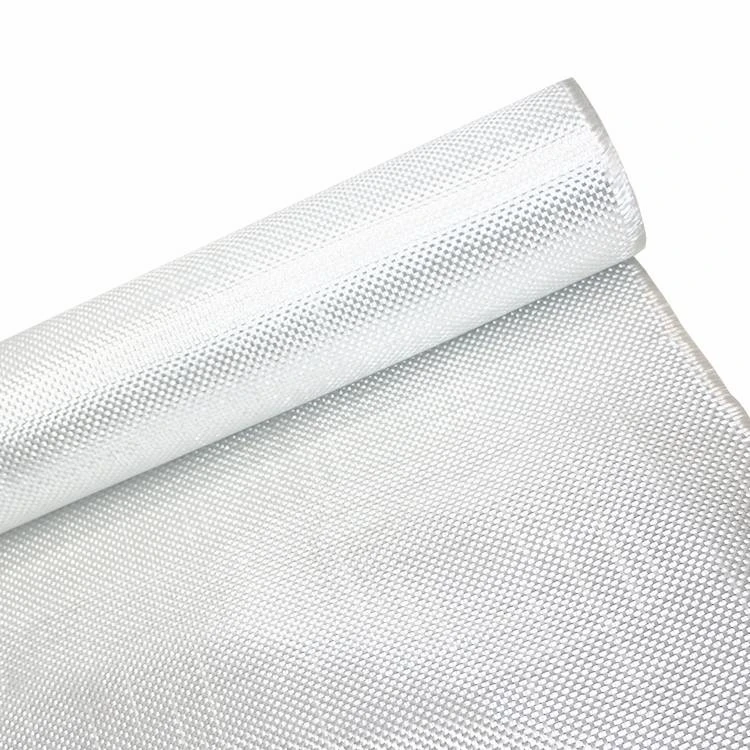
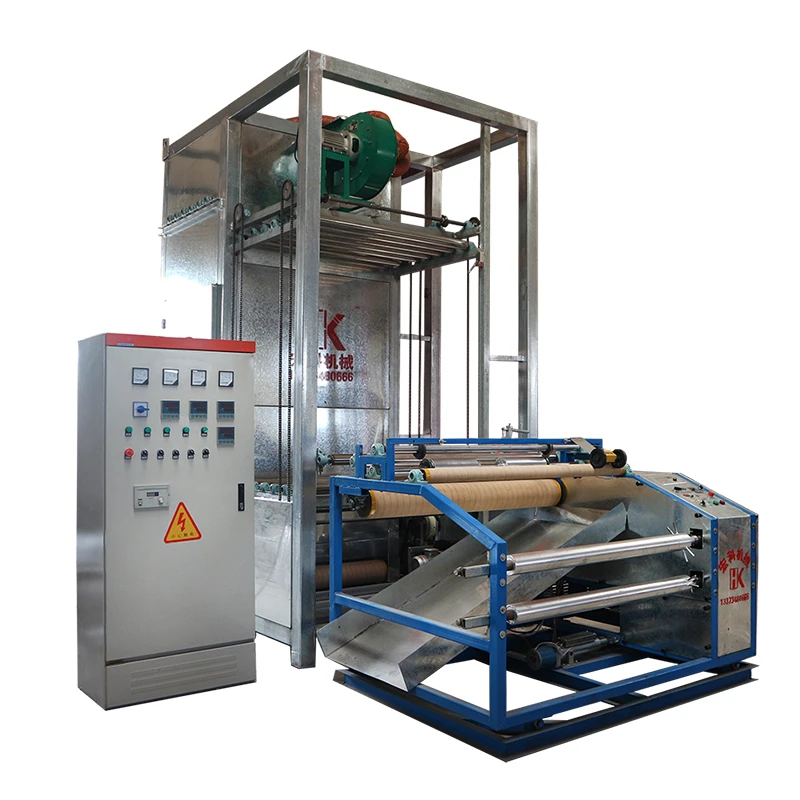
Put simply, the prepreg machine market covers the specialized machinery and technologies used to produce "prepregs"—materials where fiber reinforcements (like carbon or glass fibers) are pre-impregnated with resin in precise amounts and cured partially to enable easier shaping and consistent quality during final product fabrication.
Picture a bandage: the fiber is the cloth, and the resin acts like an adhesive that’s evenly pre-coated, ready to be shaped. Prepreg machines automate this delicate dance, ensuring every meter of composite meets highly specific mechanical and chemical standards.
The relevance goes beyond just better plastics and composites. Think humanitarian needs: lighter, more durable materials for portable shelters; high-performance structural elements for disaster-resistant housing; and even components used in clean energy generation to help combat climate change.
Core Factors Driving the Prepreg Machine Market
1. Precision & Quality Control
Prepreg machines today boast sophisticated control systems that monitor resin viscosity, fiber alignment, and temperature in real-time. This means fewer defects and less waste. For industries where safety and reliability can't be compromised (like aviation), this is non-negotiable.
2. Scalability & Customization
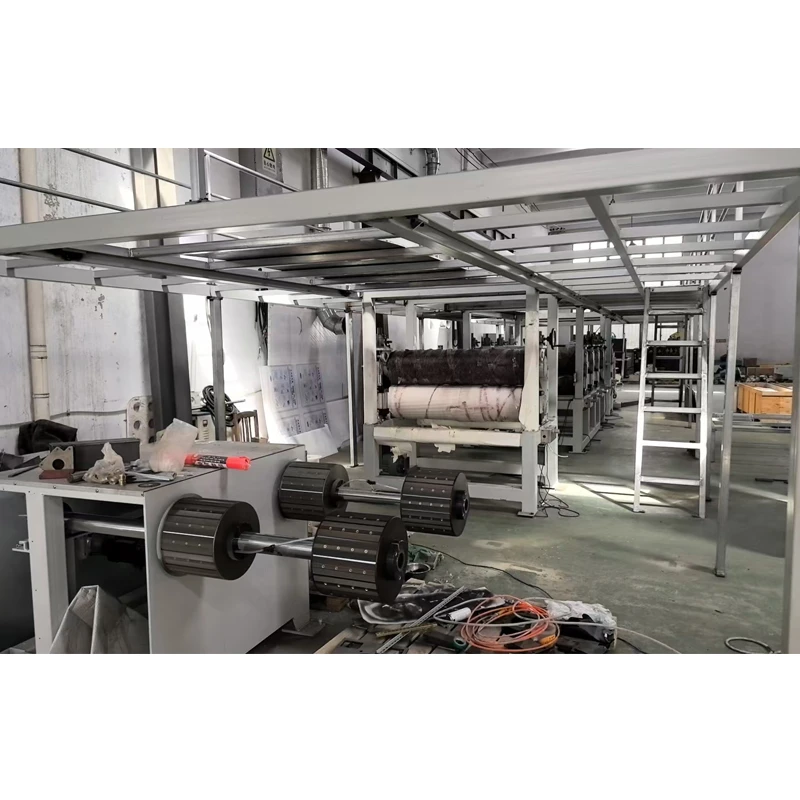
From small-scale prototyping to mass production, machines vary widely. Scalability is key when making everything from bespoke sports car parts to large wind turbine blades. Some setups even allow for quick switching between resin types and fiber layouts.
3. Cost Efficiency & Waste Reduction
Resins and fibers are expensive, so these machines are optimized to minimize offcuts and excess material. Plus, automation reduces labor costs—though the initial investment can seem steep.
4. Environmental Impact
Modern prepreg machines increasingly incorporate greener resin systems and recycling mechanisms, marrying production efficiency with sustainability goals.
5. Durability & Machine Uptime
Commercial heavy-use environments need machines that can run consistently without frequent breakdowns. Maintenance-friendly designs and remote monitoring are rising trends.
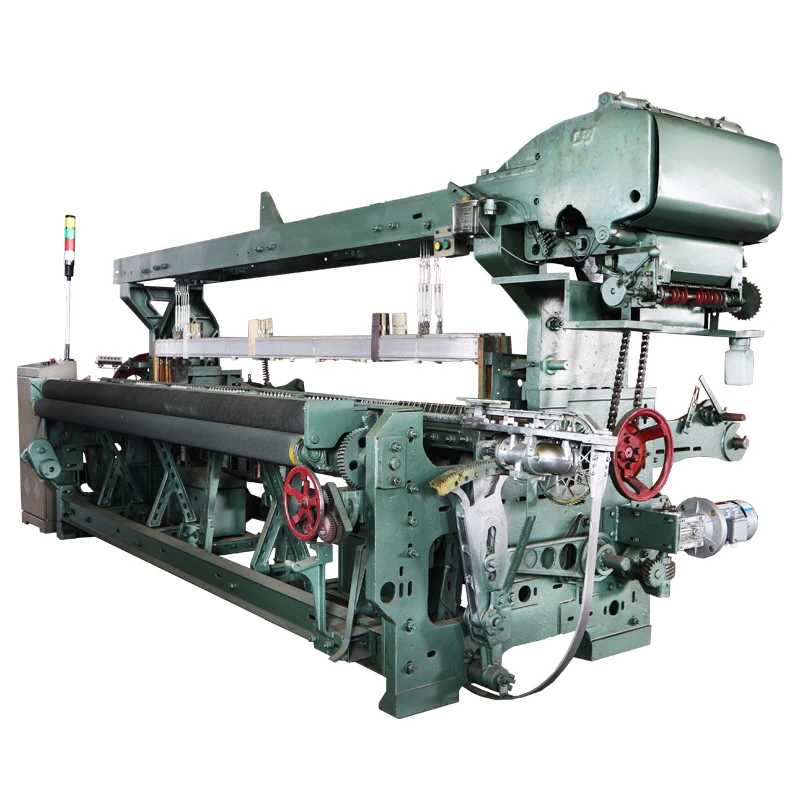
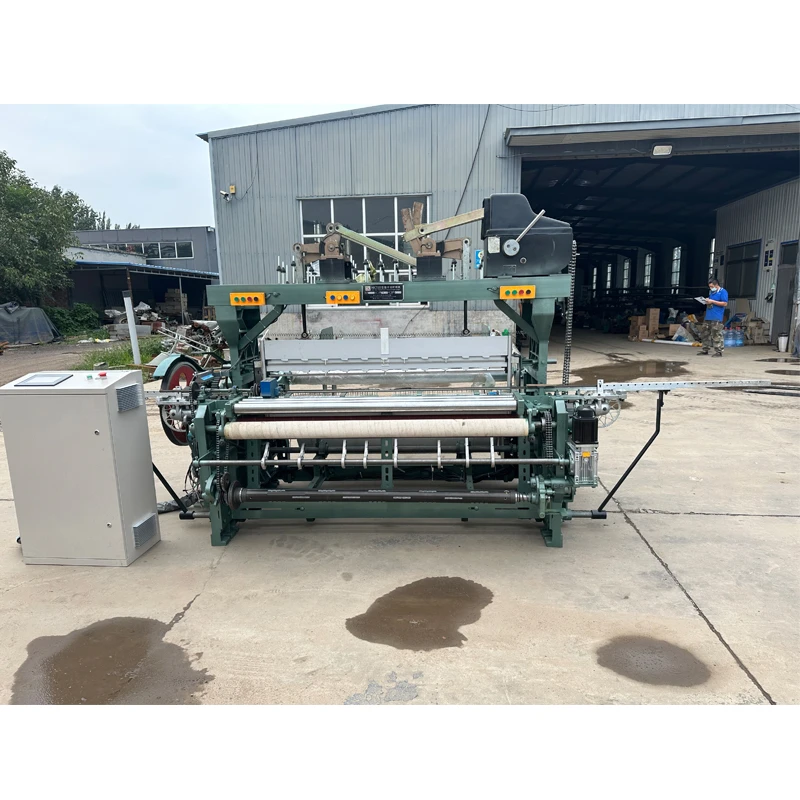
| Specification | Typical Range/Feature |
|---|---|
| Production Speed | 0.5 to 3 meters/min |
| Fiber Types Supported | Carbon, Glass, Aramid (Kevlar) |
| Resin Systems | Epoxy, BMI, Cyanate Ester |
| Control Systems | PLC with Touchscreen Interface, IoT-Enabled |
| Max Width | 500 to 1500 mm |
| Machine Weight | Around 1500 to 8000 kg |
Global Applications: How Prepreg Machines Change Lives and Industries
The aerospace sector is often the poster child of the prepreg revolution. Aircraft manufacturers deploy prepreg composites to build lighter wings and fuselage sections, improving fuel efficiency drastically. Similarly, in wind energy, massive turbine blades require precise, high-strength composite materials that only advanced prepreg systems can deliver reliably.
Interestingly, beyond heavy industry, the prepreg machine market touches the humanitarian front. For example, NGOs working in post-disaster relief are now exploring prepreg composites to design temporary shelters that are strong, insulated, and easy to transport. The durability ensures better safety and dignity for displaced populations.
Regions like Japan, Germany, and the USA have mature prepreg markets, but countries like China, Brazil, and India are rapidly expanding their footprint, thanks to local manufacturing initiatives and rising domestic demand.
Prepreg machine market innovations thus find diverse use cases—marrying economics, engineering, and environmental goals in fascinating ways.
Advantages & Long-Term Value of Prepreg Technology
- Cost Savings: Although upfront costs are significant, over a product lifecycle, prepreg composites reduce material waste, improve quality, and lower assembly times.
- Sustainability: Many companies invest in bio-based resins and recyclable fiber formats, helping reduce carbon footprints.
- Social Impact: Safer structures and reliable materials translate into real-world safety—whether in transport or housing.
- Innovation Drive: Continuous R&D in this market pushes the limits of what materials can do, inspiring new products daily.
- Trust & Reliability: Manufacturers relying on prepreg machines can deliver consistent quality products, building customer confidence.
What’s Next? Future Trends and Innovations
It’s not just about making machines faster or bigger. The future of the prepreg machine market intertwines with green innovations. New resin chemistries promise less VOC emissions, while digital twin technology allows virtual testing of composite behavior before production, saving time and resources.
Automation is another frontier, with AI-controlled fiber placement improving precision and reducing operator dependency. Some vendors are also experimenting with modular machines, enabling flexible production lines adaptable to evolving market niches.
Current Challenges & Forward-Looking Solutions
Despite its promise, the prepreg machine market faces hurdles—primarily around cost barriers and technical know-how. Many manufacturers find high capital investment difficult to justify without guaranteed production volumes. Moreover, specialized maintenance and training complicate adoption, especially in developing regions.
One notable solution is collaborative equipment leasing programs, where companies share access to high-end prepreg systems. Additionally, growing digital assistance and remote diagnostics help reduce downtime and train operators faster.
FAQs About Prepreg Machine Market
- What types of industries benefit most from prepreg machines?
- Primarily aerospace, automotive, wind energy, and sporting goods. However, emerging sectors like construction and humanitarian relief are rapidly adopting prepreg composites for durable, lightweight parts.
- How do prepreg machines improve manufacturing efficiency?
- They enable precise resin-to-fiber ratios, minimizing waste and defects, while automating processes reduce labor costs and increase throughput.
- Are prepreg machines environmentally friendly?
- Modern machines incorporate greener resins and better process controls reducing emissions and material waste, contributing positively to sustainability goals.
- How can small manufacturers enter the prepreg market?
- Options include starting with modular, smaller-capacity machines or entering leasing agreements to access advanced equipment without large upfront investment.
- Do prepreg composites have a long service life?
- Yes, when produced correctly, prepreg composites exhibit excellent durability, corrosion resistance, and strength, often outperforming traditional materials over decades.
Conclusion: Why Keep an Eye on the Prepreg Machine Market?
The prepreg machine market is more than just a slice of manufacturing tech; it’s a gateway to building the next generation of smarter, lighter, and more sustainable products worldwide. Whether you’re an engineer, manufacturer, or policy-maker, understanding this space unlocks insight into how industries are evolving to meet tomorrow’s challenges.
If you want to dive deeper into the latest trends or explore equipment options, don’t hesitate to visit our website. After all, the future is made of materials—and the machines that create them.
References & Further Reading
- Composite material - Wikipedia
- ISO 10350-1 Plastics — Acquisition and presentation of comparable single-point data — Part 1: Principles and guidelines
- United Nations Sustainable Development Goals
| Vendor | Machine Model | Max Width (mm) | Control System | Price Range (USD) |
|---|---|---|---|---|
| AeroTech Industries | PrepregMaster 5000 | 1200 | IoT-Enabled PLC | $650,000 - $750,000 |
| Composite Solutions Ltd. | FiberFuse X2 | 900 | PLC with Touchscreen | $420,000 - $510,000 |
| GreenTech Manufacturing | EcoPrep 300 | 700 | Basic PLC | $200,000 - $290,000 |
| Advanced Composites Corp. | PrepPro Elite | 1500 | AI-Assisted Monitoring | $800,000 - $950,000 |