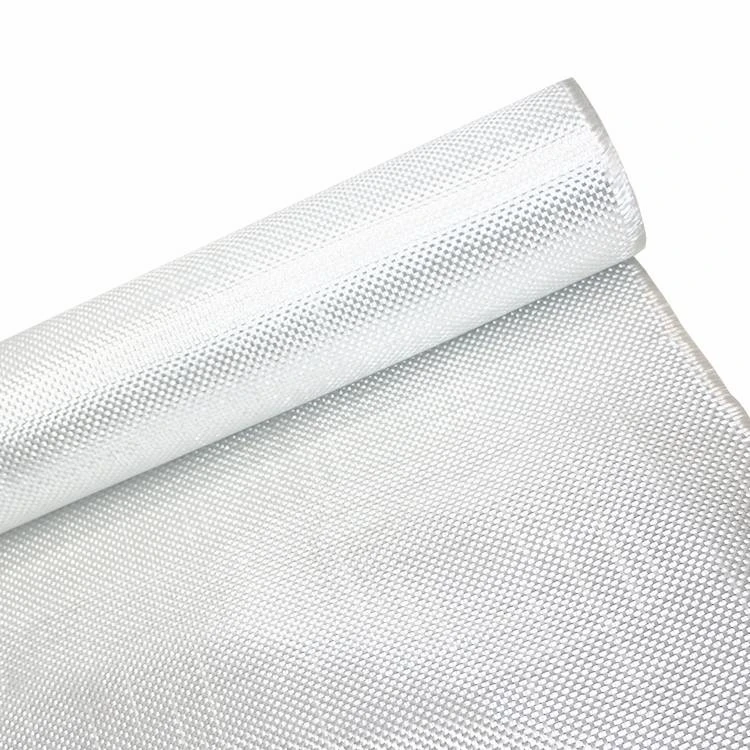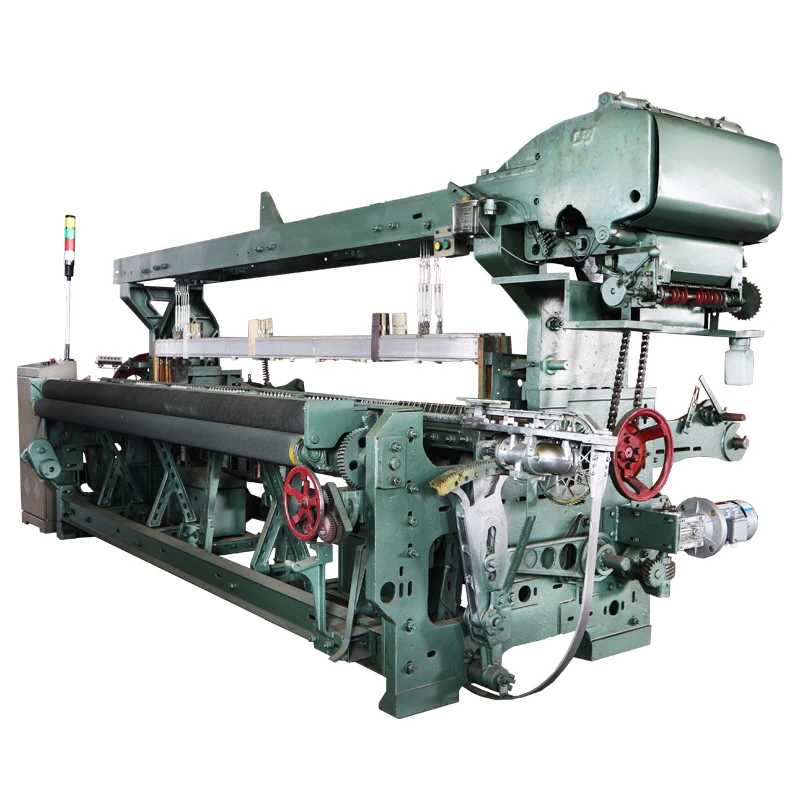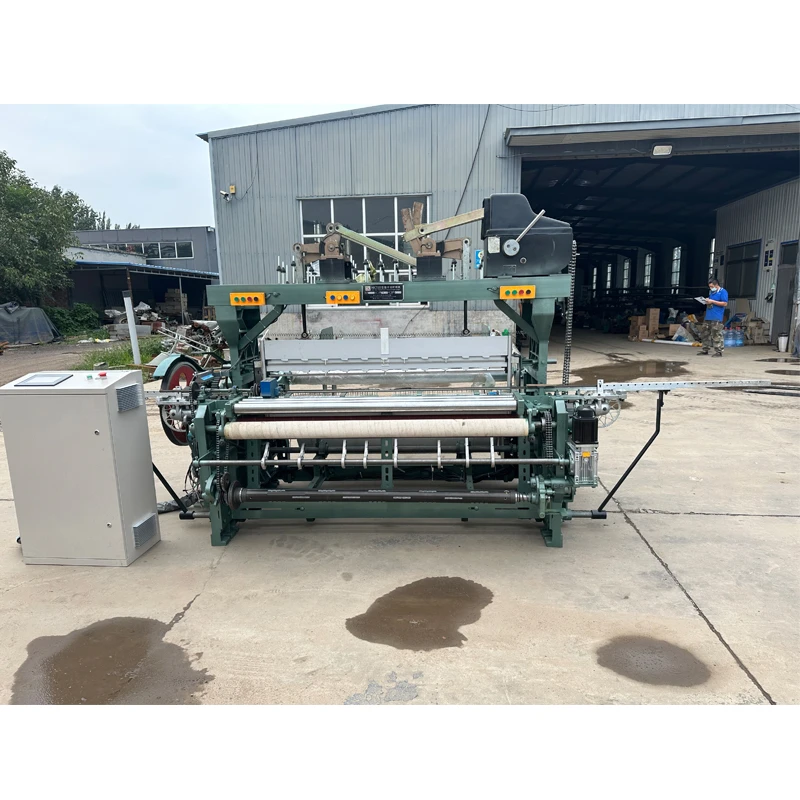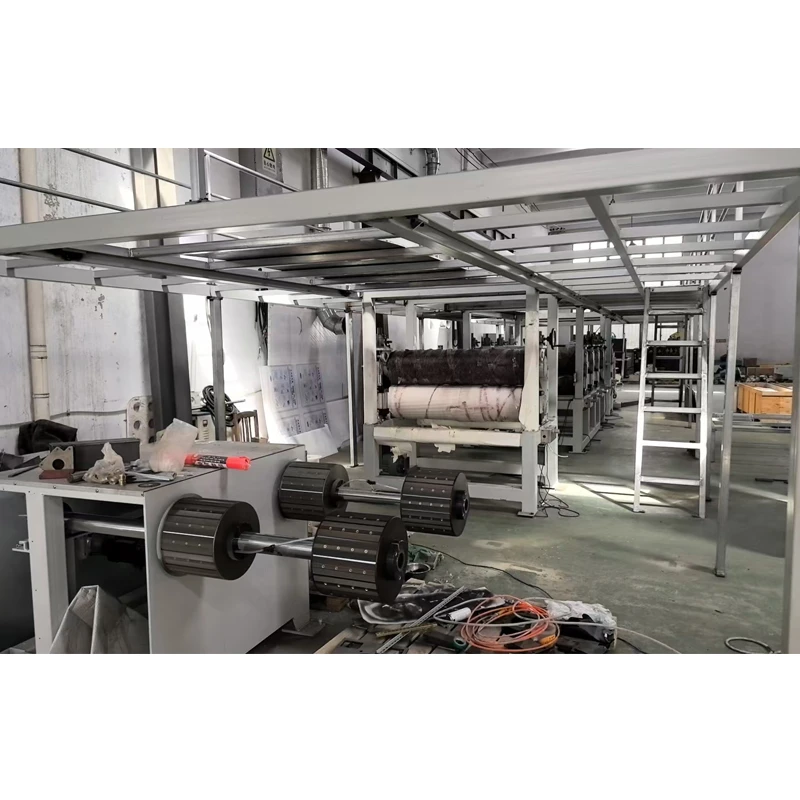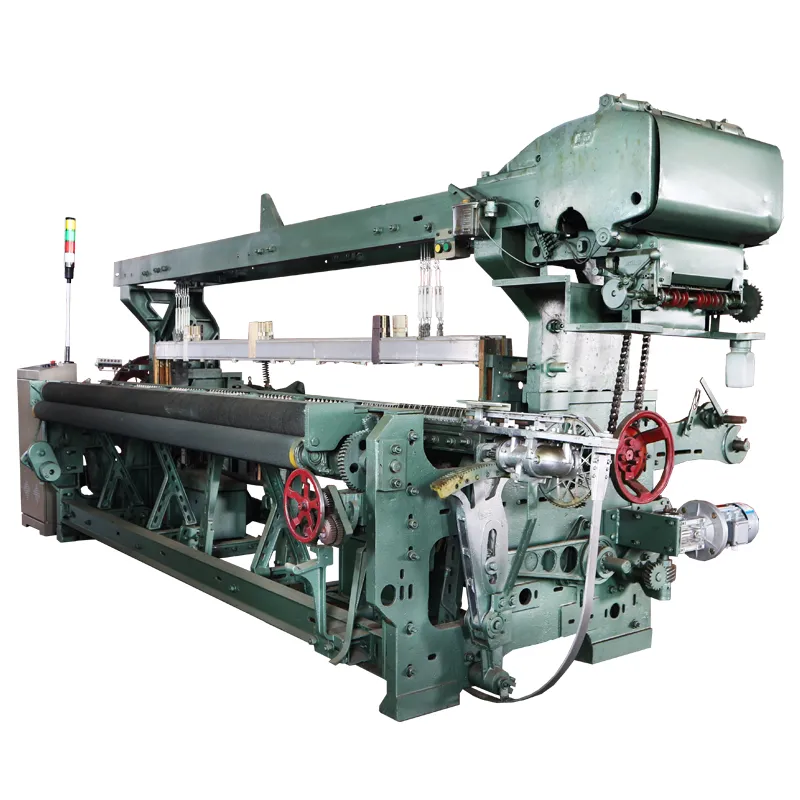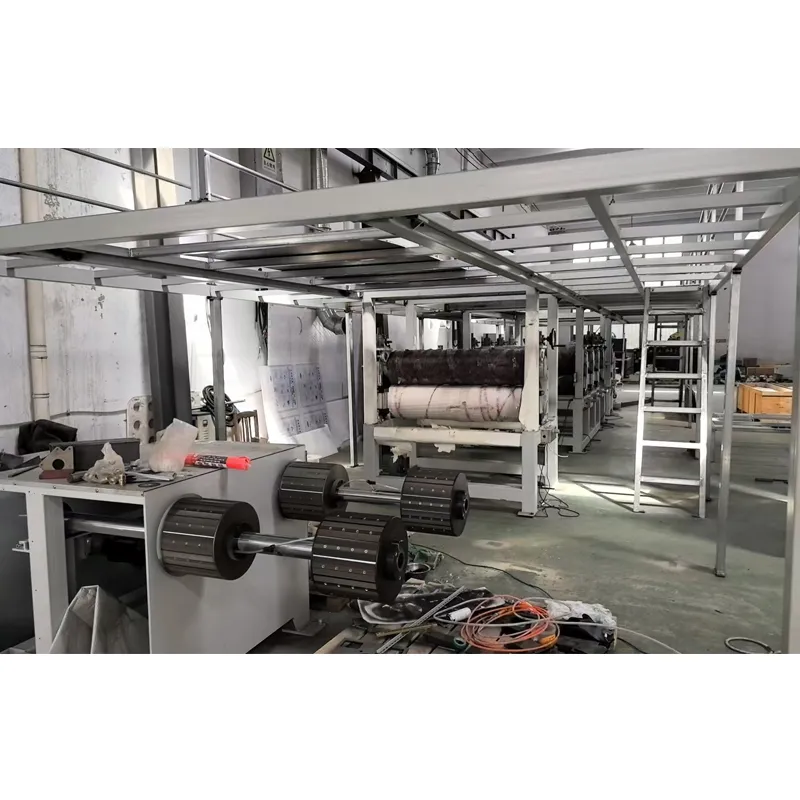



Why Understanding Wire Mesh Machine Factory Matters in Today's World
Wire mesh machines might not be the conversation starter at dinner parties, but the factories that produce them serve as silent pillars for industries globally. They manufacture machines that create wire meshes — woven or welded grids of metal wires — critical for everything from construction reinforcement to filtration to security barriers. What makes wire mesh machine factories interesting is their role in supporting infrastructure resilience and even humanitarian relief. When you know how these factories operate and why they matter, it’s easier to appreciate the far-reaching impact this niche industrial sector has on our daily lives and future development. Let's unpack this a bit.
Global Perspective: The Growing Significance of Wire Mesh Machine Factories
Globally, with rapid urbanization and industrial expansion, demand for wire mesh products keeps climbing. According to a 2023 report from the International Organization for Standardization (ISO), the market for wire mesh products has seen a steady annual growth rate of about 6% in developed and developing economies alike. Meanwhile, the United Nations notes that infrastructure projects, especially in developing regions in Asia and Africa, rely heavily on cost-effective and durable materials like reinforced wire mesh for bridges, roads, and disaster-resilient buildings.
Yet, there’s a challenge: traditional construction materials often fall short in harsh environments or in fast-paced project timelines. Enter the wire mesh machine factory. These factories provide advanced machinery capable of producing consistent, customizable wire mesh efficiently. It means faster production, better quality control, and ultimately, infrastructure that lasts longer and keeps people safe.
Mini Takeaway:
Wire mesh machine factories aren't just manufacturing hubs; they're quietly underpinning modern infrastructure and humanitarian efforts around the world.
What Exactly Is a Wire Mesh Machine Factory?
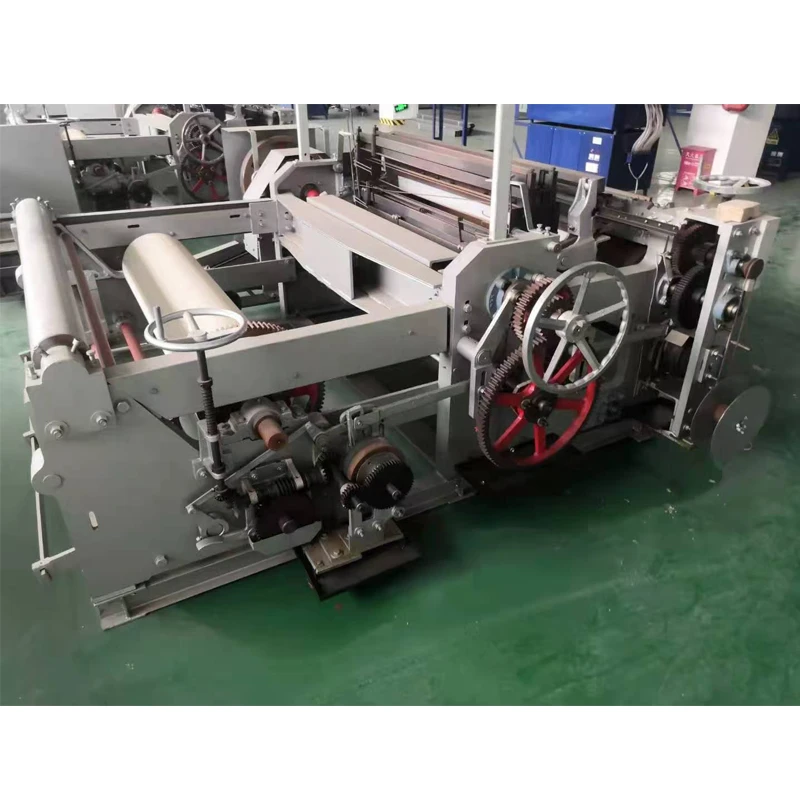
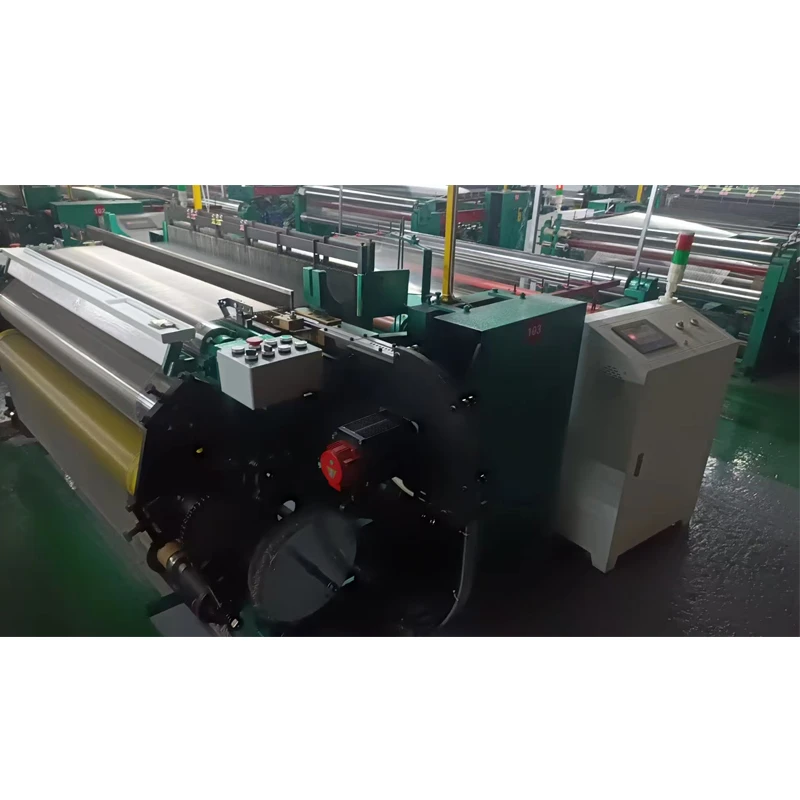
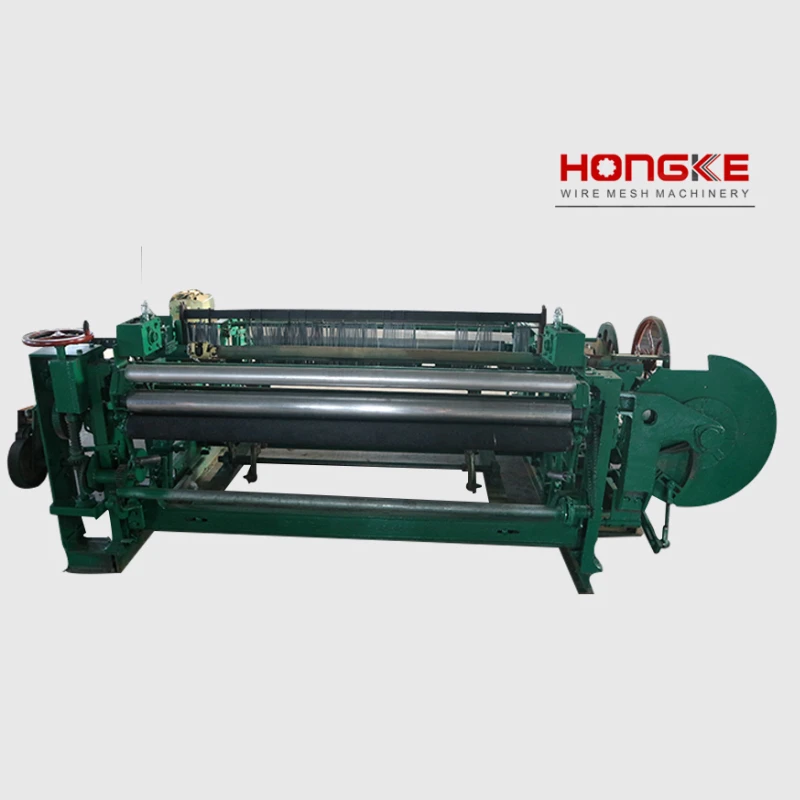
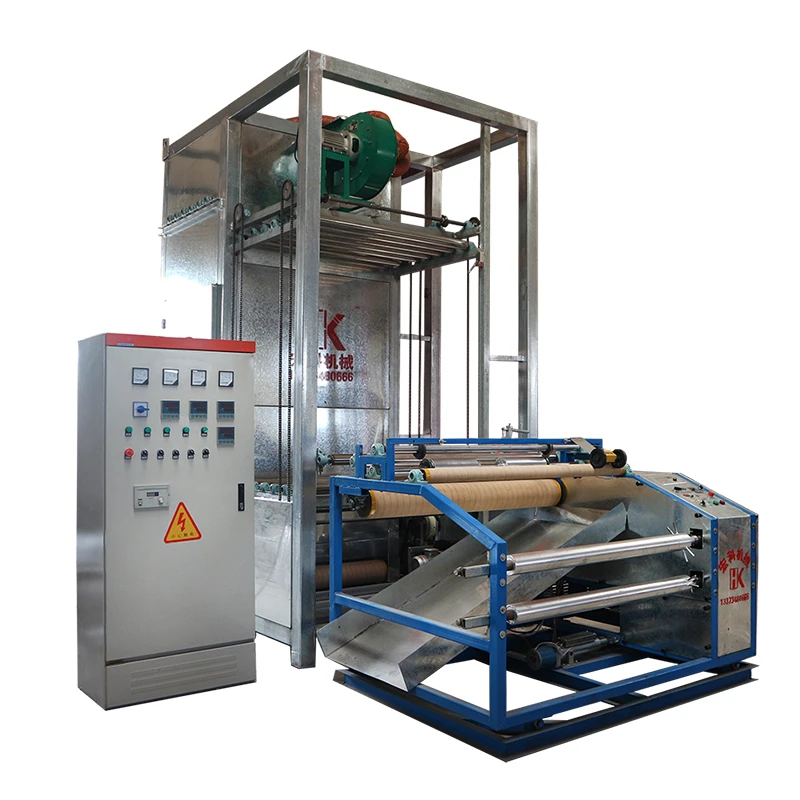
Put simply, a wire mesh machine factory builds the machines that make wire meshes. These machines perform tasks like weaving, welding, or knitting metal wires into specific patterns and sizes. The factory assembles everything — from automated wire feeders and precision welders to cutting devices that ensure each mesh panel meets exact specifications.
In modern industries, these factories are crucial because they enable mass customization. For example, a mining company might need a specific wire mesh for filtration decks, while a construction firm might require large panels with higher tensile strength. The factory's equipment and processes are designed to accommodate these variations swiftly.
Mini Takeaway:
Wire mesh machine factories blend engineering precision with manufacturing flexibility to support wide-ranging industry needs.
Core Components of a Wire Mesh Machine Factory
1. Durability of Equipment
Machines here must be built to last — often operating 24/7 in industrial environments. Robust materials like industrial-grade steel and heat-resistant components are essential. It’s about keeping downtime minimal and output steady.
2. Scalability of Production
The factory must handle orders ranging from small custom runs to massive industrial batches. Modular machine designs and quick-change fixtures help scale production without sacrificing quality.
3. Cost Efficiency
Energy efficiency, automated controls, and streamlined assembly lines all help keep production costs down. This enables factories to deliver machines at competitive prices — an important factor in developing economies.
4. Precision and Customization
Modern wire mesh machine factories incorporate CNC controls and smart sensors for precision welding and weaving. That means every mesh meets exact measurements required for specialized applications.
5. Safety and Compliance
Meeting international safety standards (such as ISO 12100 for machinery safety) ensures the machines are reliable and safe for operators worldwide.
Mini Takeaway:
Durability, scalability, cost control, precision, and safety form the heartbeat of efficient wire mesh machine factories, enabling them to adapt across sectors.
Wire Mesh Machine Factory in Action: Global Applications and Use Cases
Wire mesh products touch many sectors. Here’s how different regions and industries benefit:
- Construction in Asia & Africa: Wire mesh is a critical component in reinforcing concrete for affordable housing and infrastructure projects.
- Post-Disaster Relief: In earthquake zones, wire meshes help engineers quickly rebuild durable, mesh-reinforced barriers that stabilize slopes and foundations.
- Industrial Filtration in Europe: Factories needing precise wire mesh for filtering pollutants rely on custom machines from wire mesh machine factories for consistent quality.
- Security & Agriculture in the Americas: Wire mesh forms fencing solutions for wildlife protection and farm perimeters.
So you see, it’s not just about making metal grids — it’s about enabling resilience, safety, and productivity across the globe.
Mini Takeaway:
The reach of wire mesh machine factories spans continents and industries, underpinning many vital modern needs.
Advantages and Long-Term Value of Investing in Wire Mesh Machine Factories
Why put faith in these factories? The tangible benefits are impressive:
- Cost Savings: Automated precision reduces waste and labor costs.
- Sustainability: With the move towards greener manufacturing, newer machines consume less power and generate less scrap metal.
- Social Impact: Faster production supports humanitarian projects that rebuild safer communities.
- Reliability and Trust: Durable machines mean steady supply chains without costly downtime.
Emotionally and logically, this means communities get safer infrastructure faster, industries get more dependable tools, and investors see long-term returns.
Mini Takeaway:
Wire mesh machine factories represent an investment in smarter, safer, and more sustainable industrial futures.
Product Specification Table: Typical Wire Mesh Machine
| Specification | Typical Value | Notes |
|---|---|---|
| Production Speed | 200-400 m²/hour | Varies with mesh type |
| Wire Diameter Range | 0.8 - 8 mm | Supports customized ranges |
| Power Consumption | 15 kW | Depends on automation level |
| Weight | ~5,000 kg | Generally requires crane setup |
| Machine Control | PLC + Touchscreen HMI | User-friendly interface |
Comparing Top Wire Mesh Machine Factory Vendors
Picking a vendor isn’t trivial. Here’s a quick, rough comparison of three major players to consider:
| Feature | Vendor A | Vendor B | Vendor C |
|---|---|---|---|
| Price Range | $60,000 - $120,000 | $55,000 - $110,000 | $70,000 - $130,000 |
| Automation Level | High | Medium | High |
| Customization Options | Extensive | Standard | Moderate |
| After-Sales Support | Global, 24/7 | Regional, 8 am-5 pm | Global, 8 am-8 pm |
| Lead Time | 4-6 weeks | 3-5 weeks | 5-7 weeks |
Looking Ahead: Innovations Shaping Wire Mesh Machine Factories
There’s a kind of green revolution stirring in the wire mesh manufacturing world. Factories are adopting digital twins — virtual replicas of their machines — enabling remote diagnostics and predictive maintenance. This reduces breakdowns and waste. Additionally, suppliers are experimenting with more sustainable materials, such as recycled steel wires and low-energy heat treatments.
Automation keeps advancing, with robotic arms weaving meshes with incredible speed and precision. We’re also seeing the rise of IoT-enabled machines that feed real-time production data back to factory floors, letting operators tweak processes instantly.
Common Challenges Faced by Wire Mesh Machine Factories and Their Solutions
Of course, no industry is perfect. Some persistent challenges include:
- High energy consumption: Innovations in servo motors and regenerative braking have helped reduce this dramatically.
- Material waste: Optimized cutting algorithms minimize leftover scraps.
- Skilled labor shortage: Comprehensive training programs and more intuitive machine interfaces are helping bridge this gap.
- Supply chain disruptions: Developing local supplier networks reduces dependency on long international shipments.
FAQ: Practical Questions About Wire Mesh Machine Factories
- How customizable are wire mesh machines for different industries?
- Very customizable. Modern wire mesh machine factories build equipment that can produce a variety of mesh sizes, wire diameters, and weave patterns to cater to industries from construction to filtration and agriculture.
- What is the typical lifespan of a wire mesh machine in industrial use?
- With proper maintenance, these machines often last 10-15 years, sometimes longer. Durable materials and modular parts make them easy to repair and upgrade over time.
- Are wire mesh machines energy efficient?
- Newer models incorporate energy-saving technologies like servo motors and intelligent controls, which significantly reduce power consumption compared to older machines.
- Can small businesses afford equipment from a wire mesh machine factory?
- Yes, there are options ranging from basic semi-automatic machines to fully automated units, allowing entry-level buyers to invest according to their budgets.
- How do wire mesh machine factories ensure product quality?
- They implement rigorous quality checks throughout production, including sensor feedback during welding or weaving and final dimensional inspections.
Conclusion: Why the Wire Mesh Machine Factory Sector Holds Future Potential
In real terms, wire mesh machine factories act as both enablers and innovators in a global industrial ecosystem. Their ability to evolve and meet diverse industry needs means stronger, safer infrastructure and better environmental stewardship worldwide.
If you’re seeking reliable wire mesh machine suppliers or want to learn more about these factories, visiting a specialized resource like wire mesh machine factory could be your next step.
Final Reflection:
It’s odd how something so technical might feel almost poetic — machines weaving metal threads that literally strengthen the foundations of our communities. Quite literally building the framework of tomorrow.