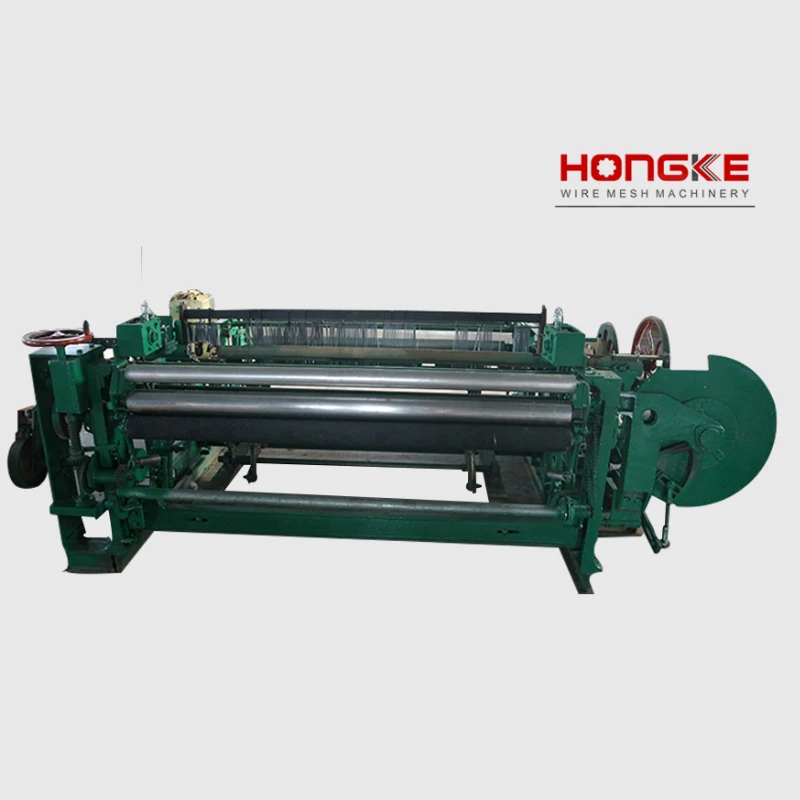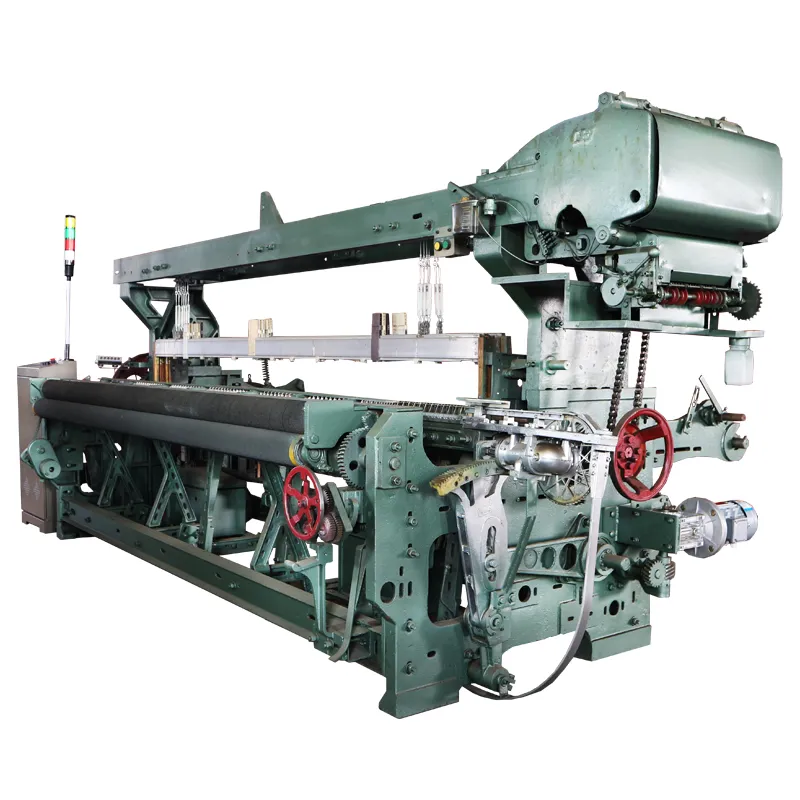



What’s Really Happening Inside a Carbon Fiber Weaving Loom Factory Today
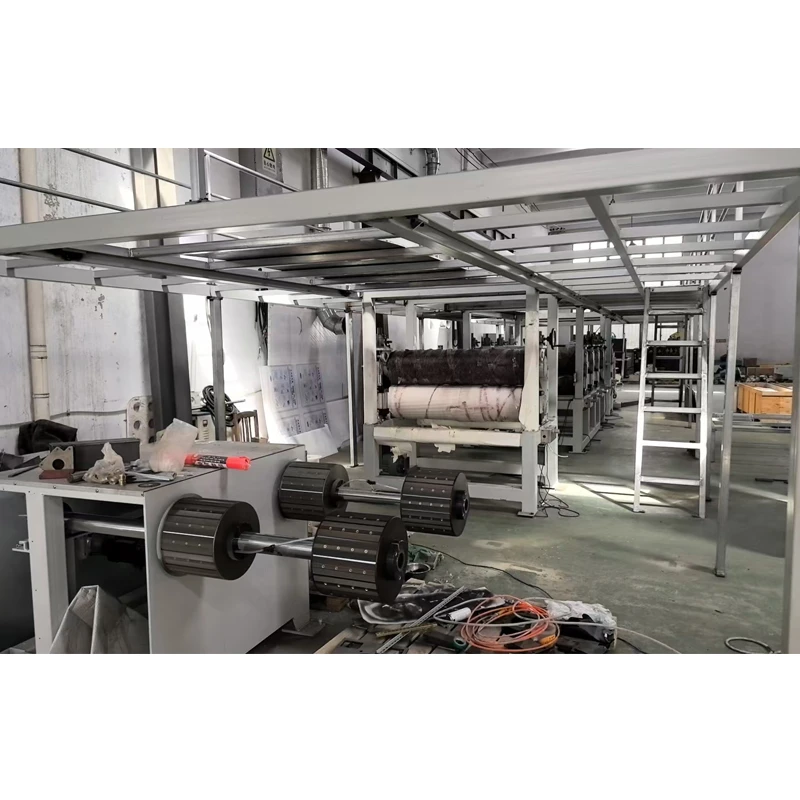
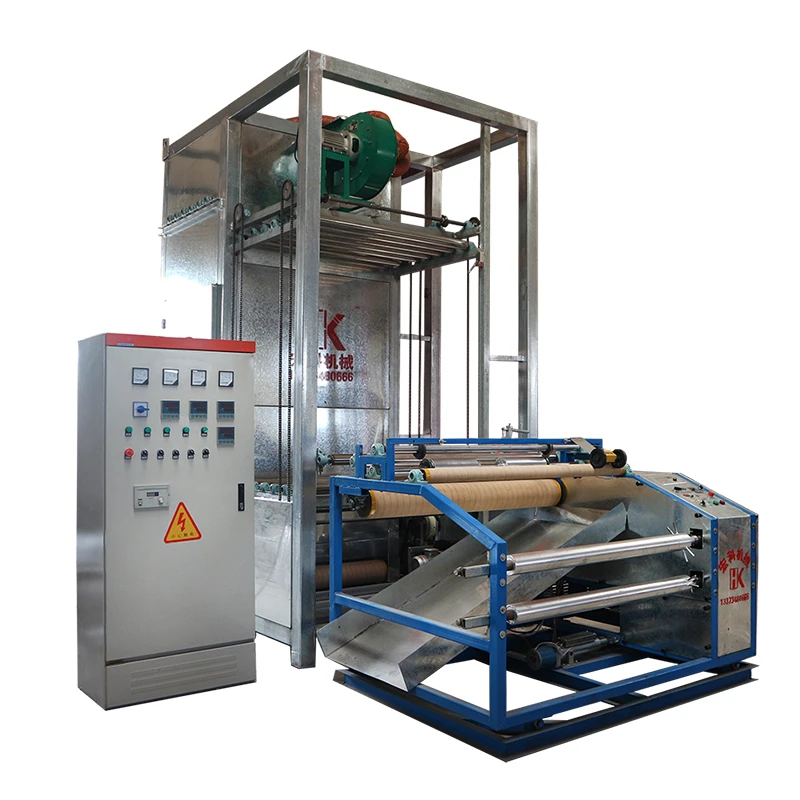
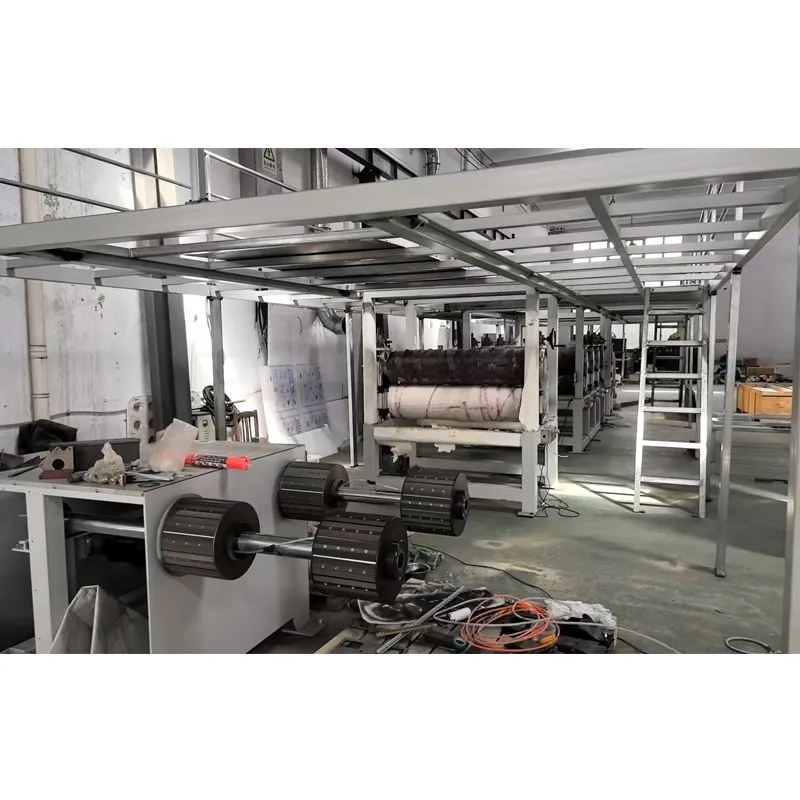
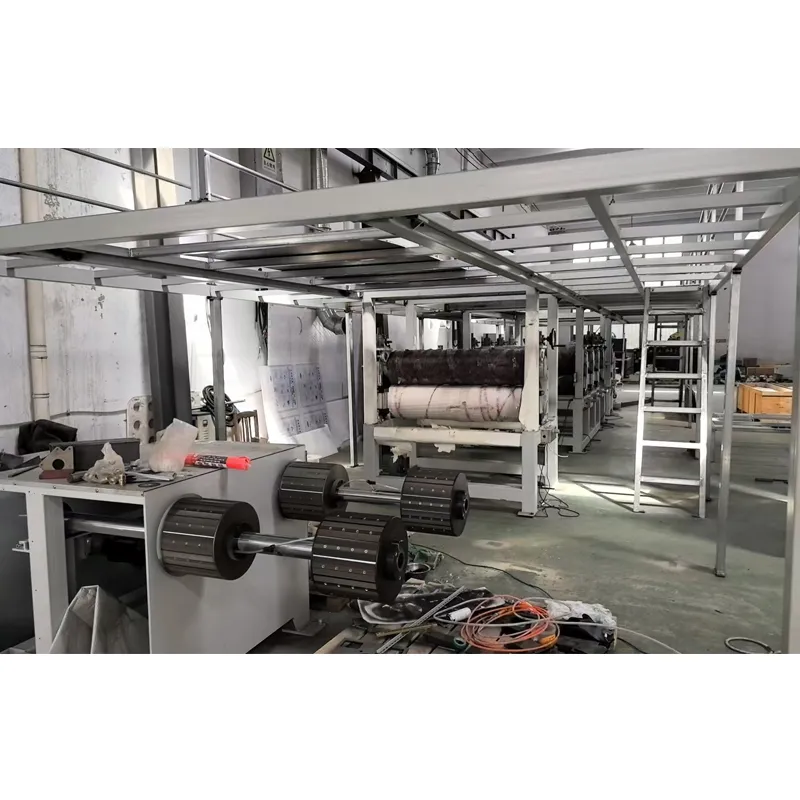
If you’ve ever stood beside a production line where carbon fabrics are born, you know the soundtrack: steady tension hum, precise correction rollers, clean resin chemistry. And yes—while the weaving happens on dedicated looms, the unsung hero right next to them is the prepreg unit. In fact, the Carbon Fiber Prepreg Machine out of Zhongzhangzhuang, Anping County, has become a quiet favorite among technicians who want fewer wrinkles (literally) and tighter tolerances.
Industry Trends: Weave Fast, Prep Smarter
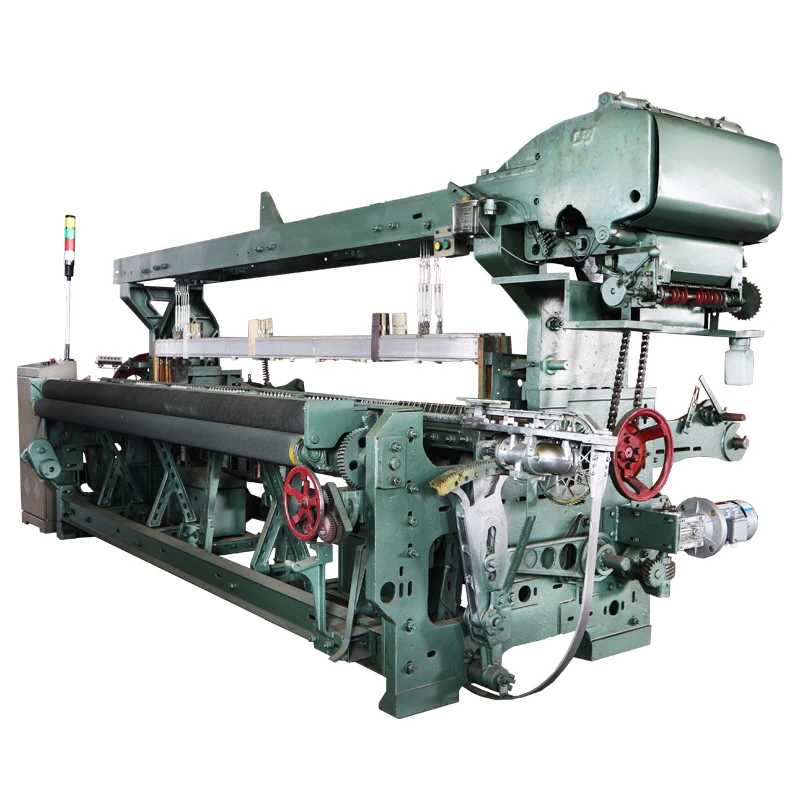
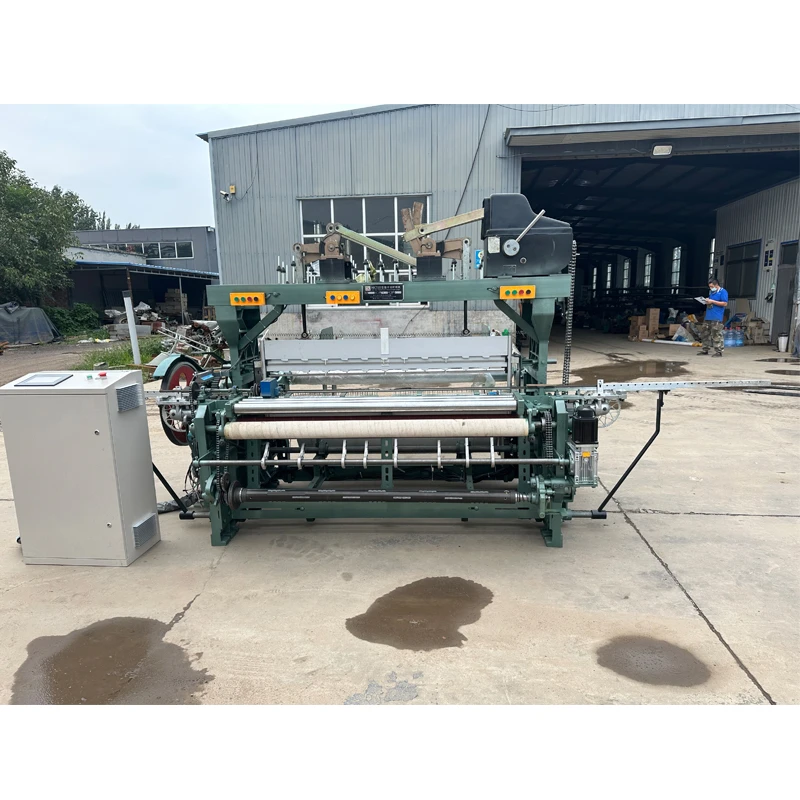
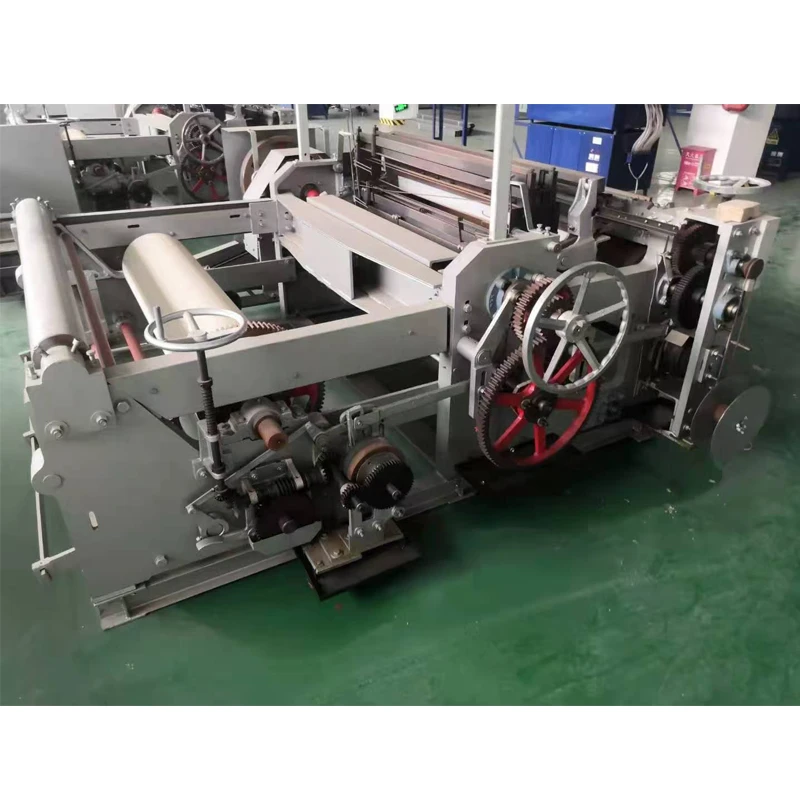
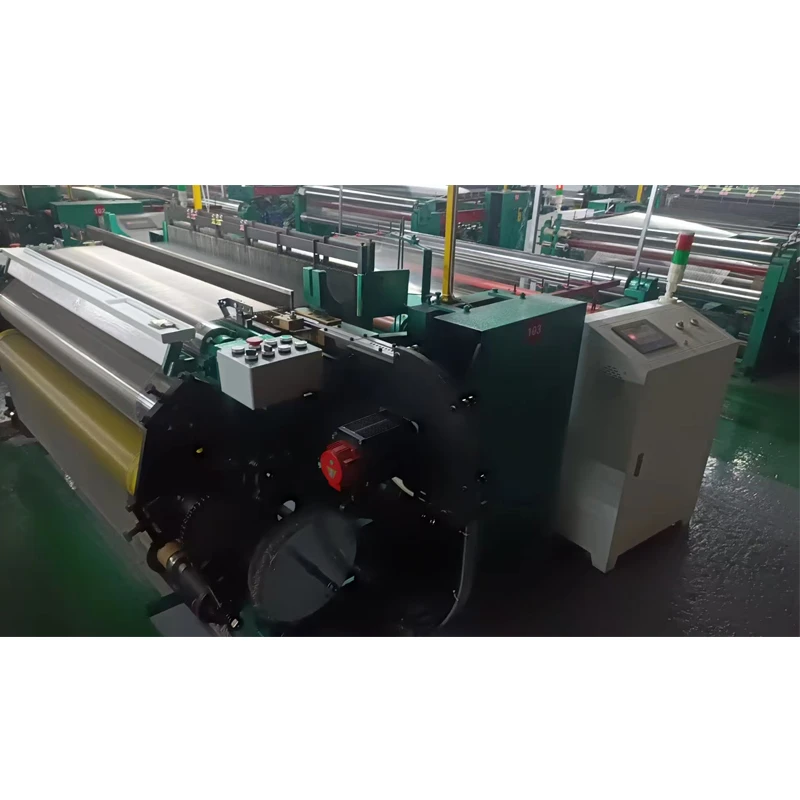
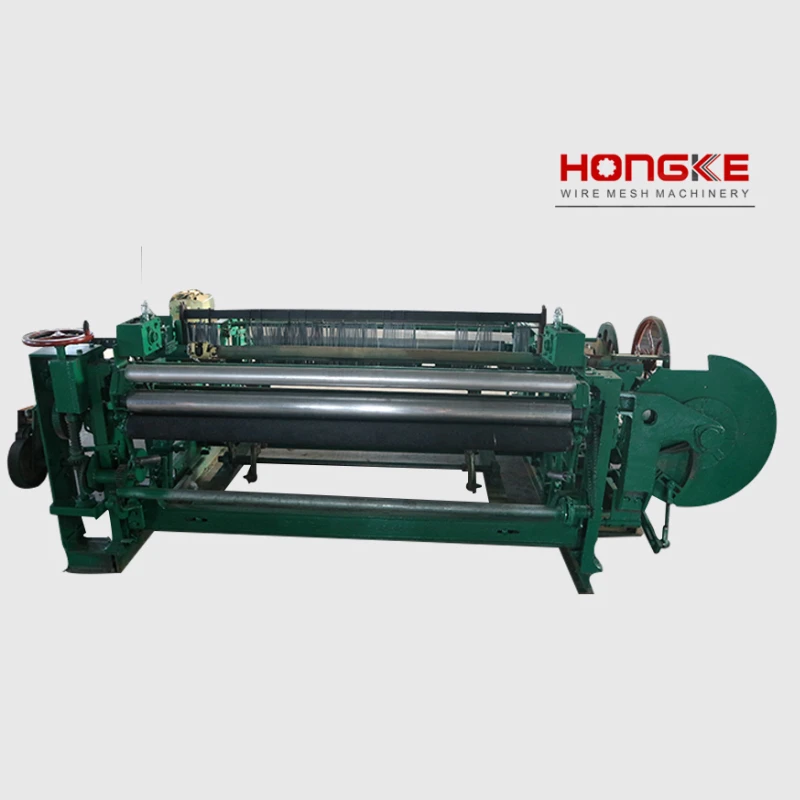
Two big shifts: multi-axial fabric formats and smarter winding. Many customers say uptime and consistent tension beat raw speed. It seems that plants now pair a Carbon Fiber Weaving Loom with a continuous rolling prepreg line to get cleaner fiber alignment and predictable resin pick-up. Digital correction (auto edge guiding) is now a must, not a luxury.
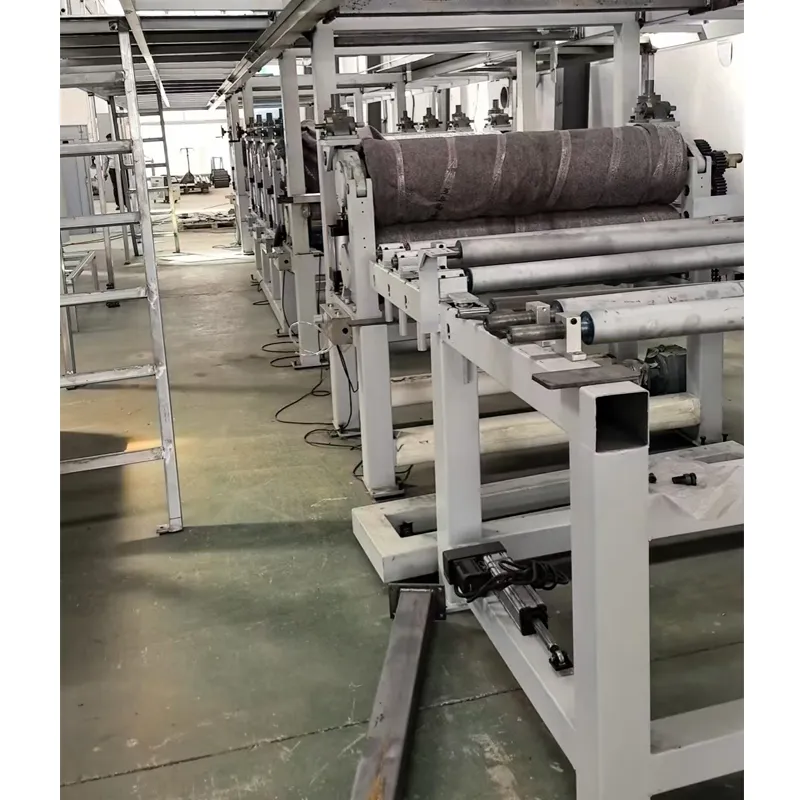
Process Flow: From Yarn to Prepreg Roll
- Materials: 3K–24K carbon tows, epoxy or toughened epoxy resin systems; occasional thermoplastic films.
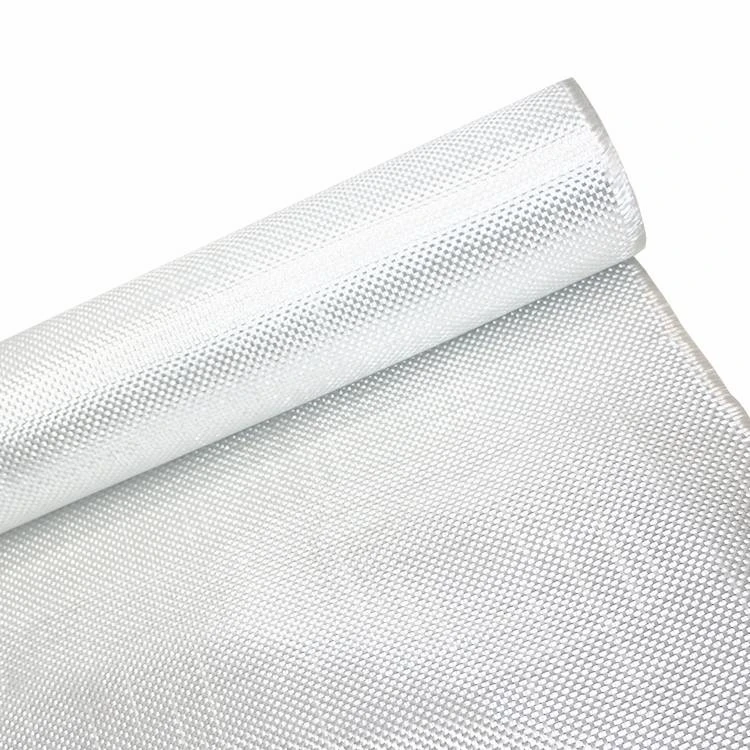
- Weaving: Carbon Fiber Weaving Loom sets warp/weft; target areal weight 100–600 g/m².
- Impregnation: Continuous rolling, controlled resin bath or film transfer; closed-loop tension (≈5–50 N per tow).
- Correction & alignment: Auto edge guide keeps web straight; wander
- Winding: Automatic winding/unwinding; tidy reel build with torque feedback to avoid telescoping.
- Testing: According to ASTM D3039 (tensile), ASTM D7264 (flexural), ISO 14126 (compression), ISO 527.
- Service life (equipment): around 8–12 years with routine bearing changes and roller re-coating.
- Industries: aerospace, automotive, marine, wind, civil reinforcement, high-end sporting goods.
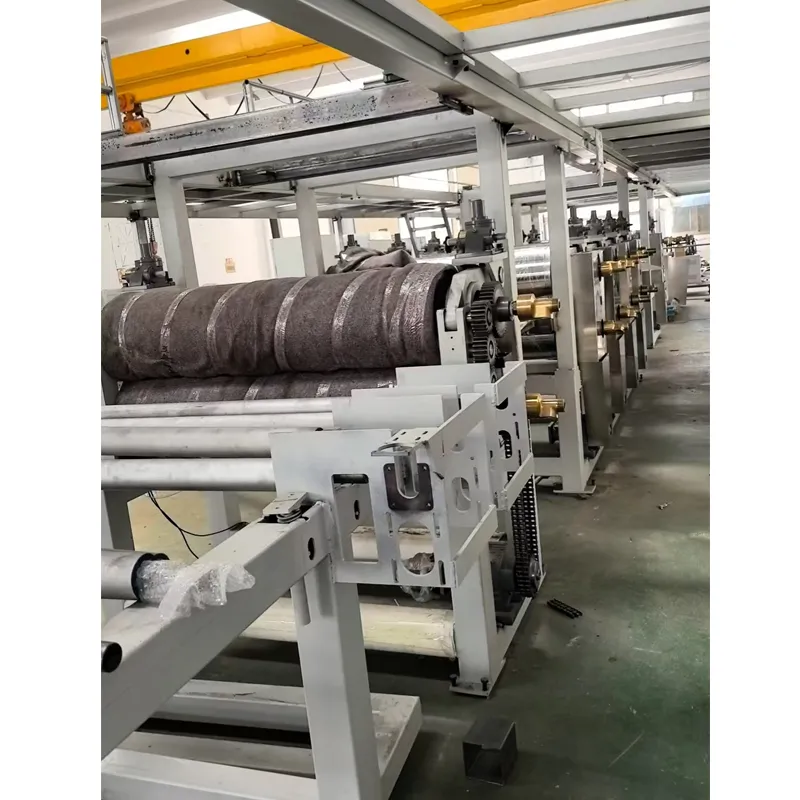
Representative Specifications (Carbon Fiber Prepreg Machine)
| Parameter | Typical Value | Notes |
|---|---|---|
| Web width | 500–1600 mm | Custom sizes available |
| Line speed | ≈3–20 m/min | Depends on resin and target resin content |
| Tension control | Closed-loop, ±2% stability | Real-world use may vary |
| Edge correction | Automatic (EPC) | Neat reel build, fewer misalignments |
| Resin content control | ±1–2 wt.% | Via gap/pressure settings |
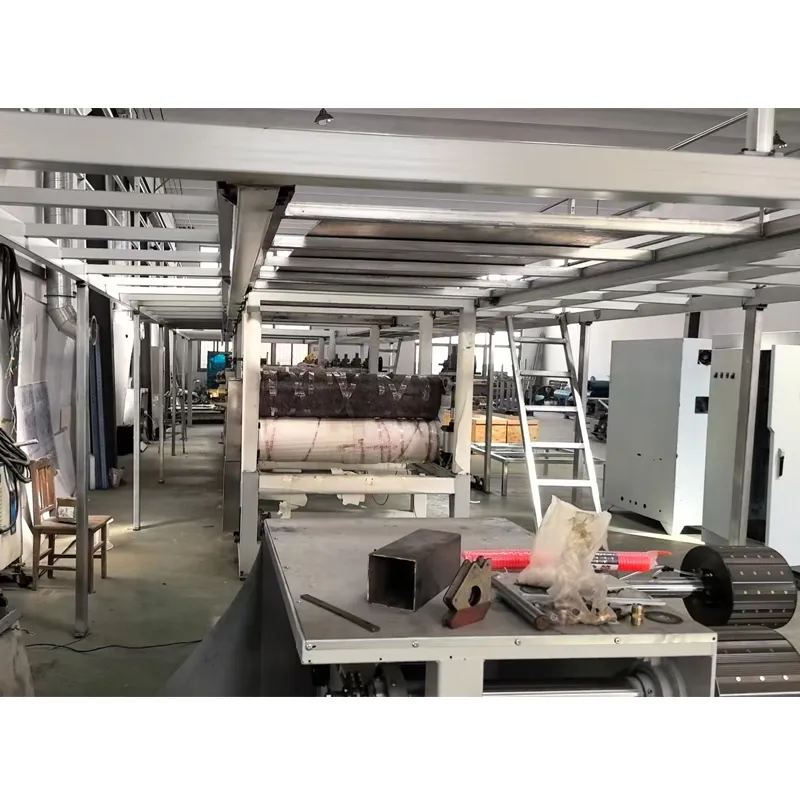
Vendor Snapshot (Buyer’s quick view)
| Vendor | Origin | Core strength | Winding precision | After-sales |
|---|---|---|---|---|
| APHK Machinery (Prepreg Line) | Hebei, China | Auto tension & correction | High (edge deviation ≈±1.5 mm) | Remote support, spare kits |
| Generic OEM A | Asia | Cost-effective | Medium | Limited warranty |
| European Brand B | EU | Premium controls | Very High | On-site service (priced) |
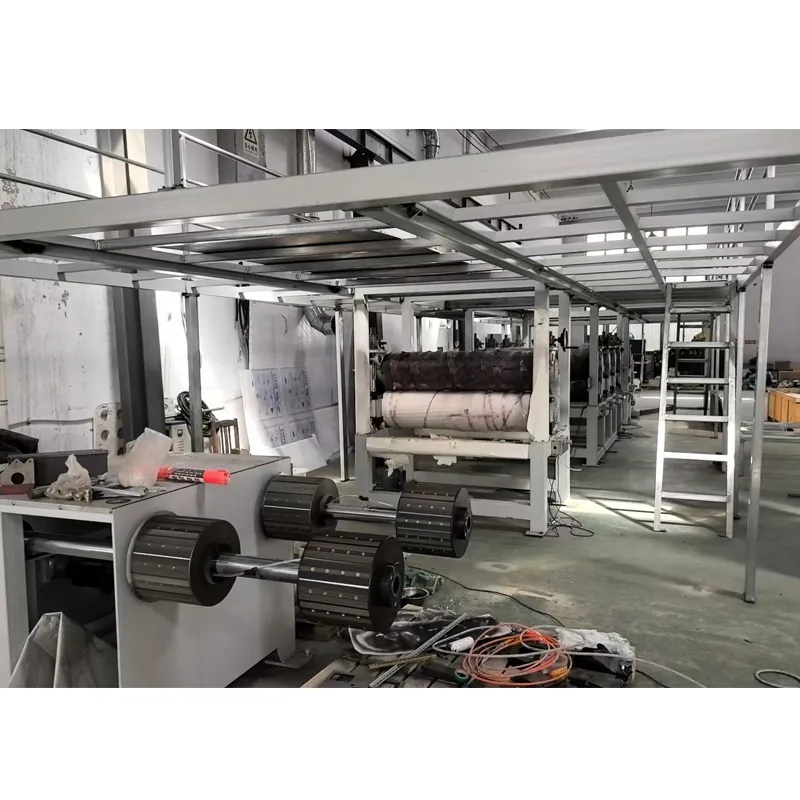
Applications, Customization, and Real Feedback
Use cases: aerospace stringers, auto body panels, wind blade skins, FRP bridge wraps, and sporting frames. Customization often includes wider web, special resin viscosity windows, anti-twist dancer rollers, and cleanroom-ready enclosures (ISO 14644 considerations). Certifications typically requested: ISO 9001, CE; some buyers ask for UL-listed electricals.
Test data that buyers look for: laminate tensile per ASTM D3039 exceeding 600–900 MPa (depending on fiber), flexural per ASTM D7264, interlaminar shear (ASTM D2344). One customer told me, “We dialed resin content to 36±1% and scrap dropped by half”—not scientific, sure, but it tracks with what I’ve seen.
Short Case Notes
- Automotive Tier-1: paired a Carbon Fiber Weaving Loom with the prepreg line; throughput rose ≈18% after integrating auto correction.
- Marine yard: switched to tighter winding control; print-through defects reduced visibly on hull panels.
- Civil composites: steady tension reduced fraying on unidirectional tapes; install time on site dropped ~12%.
Manufactured in Zhongzhangzhuang Development Zone, Anping County, Hengshui City, Hebei Province.