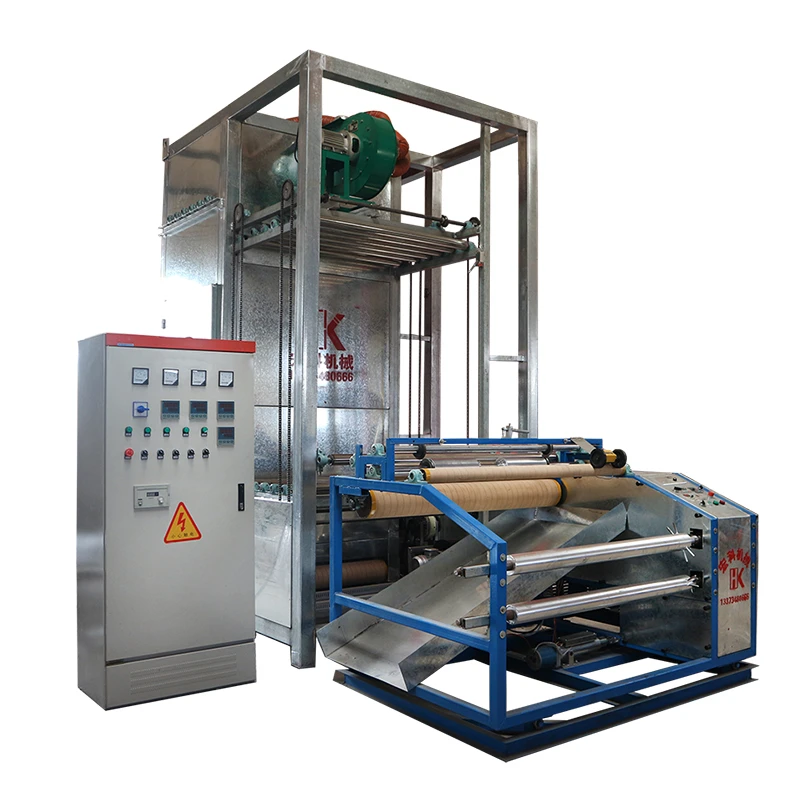



Understanding Fiberglass Mesh Weaving Machines Factories: An Essential Industry Overview
If you've ever marveled at reinforced construction materials or waterproof fabrics, you’ve indirectly encountered products crafted with the help of fiberglass mesh weaving machines. Fiberglass mesh weaving machines factories play an unassuming yet vital role in producing these materials—key to applications as diverse as building façades, industrial filtration, and even medical supplies. Globally, these factories stand at the intersection of manufacturing innovation and sustainable material development. By diving into how these factories operate and innovate, you grasp their hidden importance on a worldwide scale.
Global Significance: Why Fiberglass Mesh Weaving Machines Factories Matter
The global fiberglass market, according to the International Trade Centre, is projected to grow steadily, touching valuations north of $7 billion by 2027. This growth is anchored heavily by the demand for fiberglass meshes, which form the backbone of composites used extensively in construction, automotive, and aerospace industries. Factories equipped with advanced weaving machines answer the call for efficiency and quality as urban infrastructure booms worldwide. Yet, these facilities also face challenges like energy consumption and supply chain bottlenecks — hurdles they constantly work to overcome.
What Exactly Are Fiberglass Mesh Weaving Machines Factories?
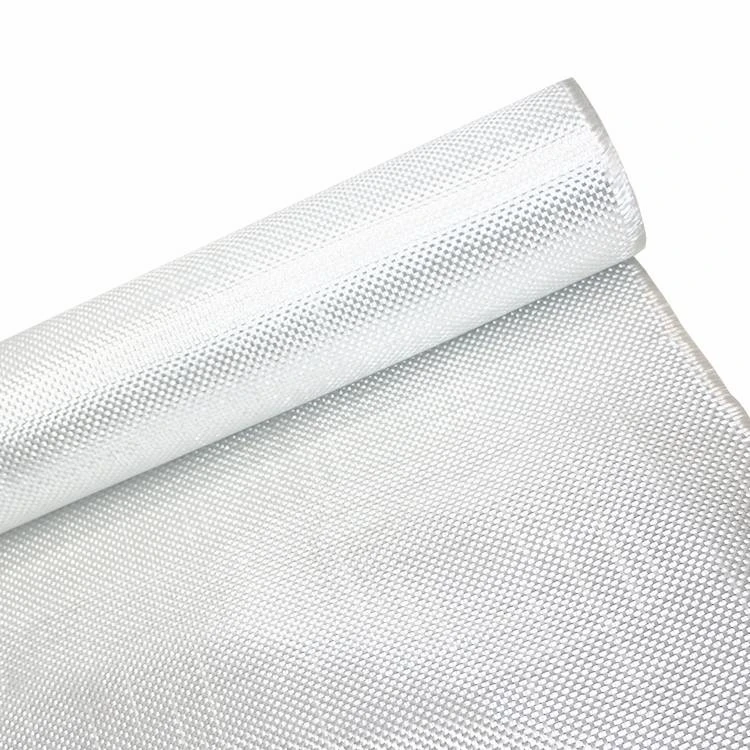
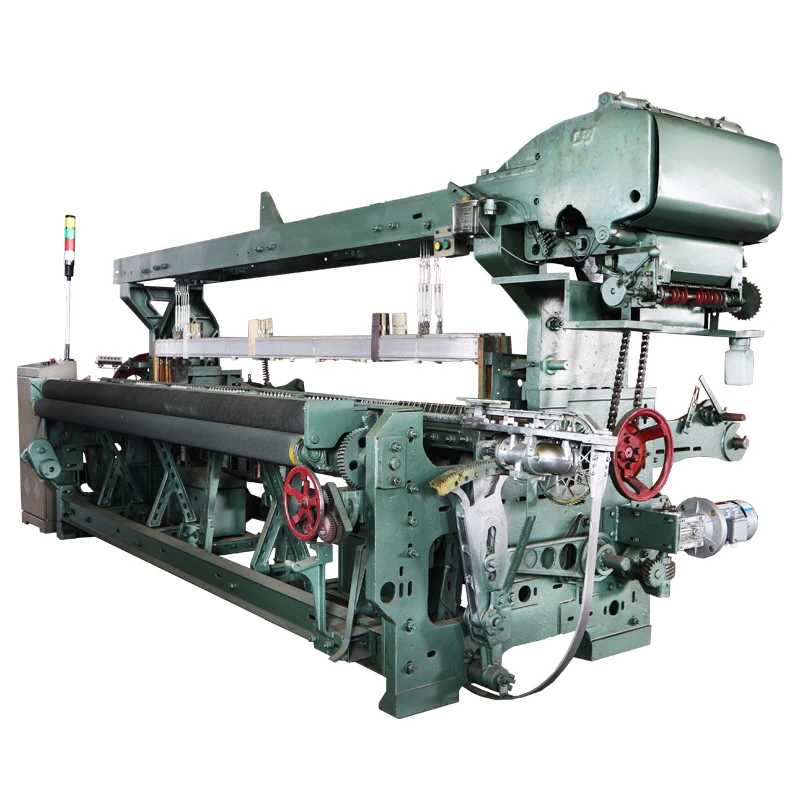
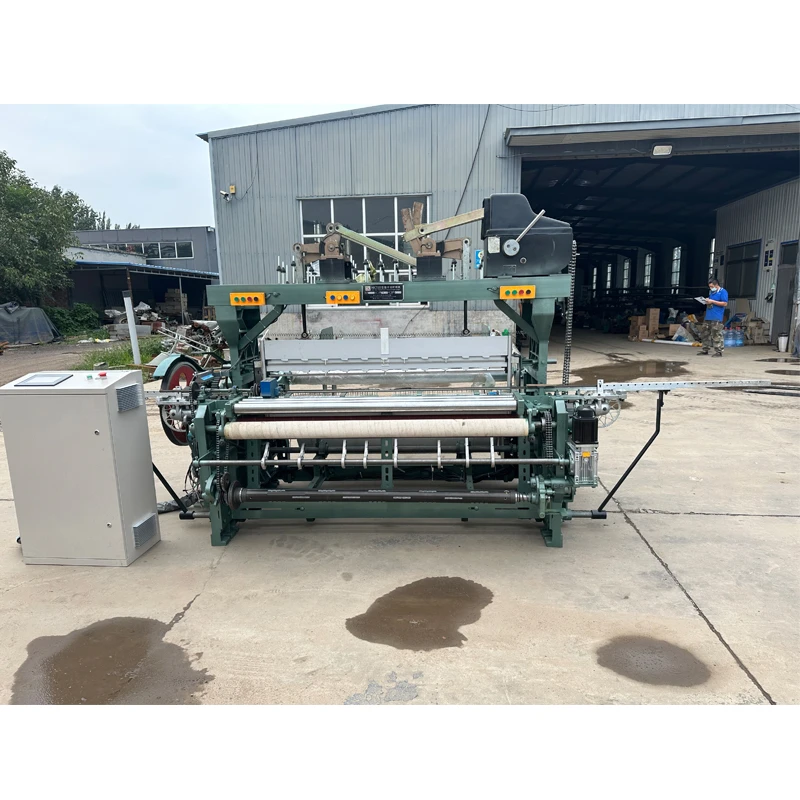
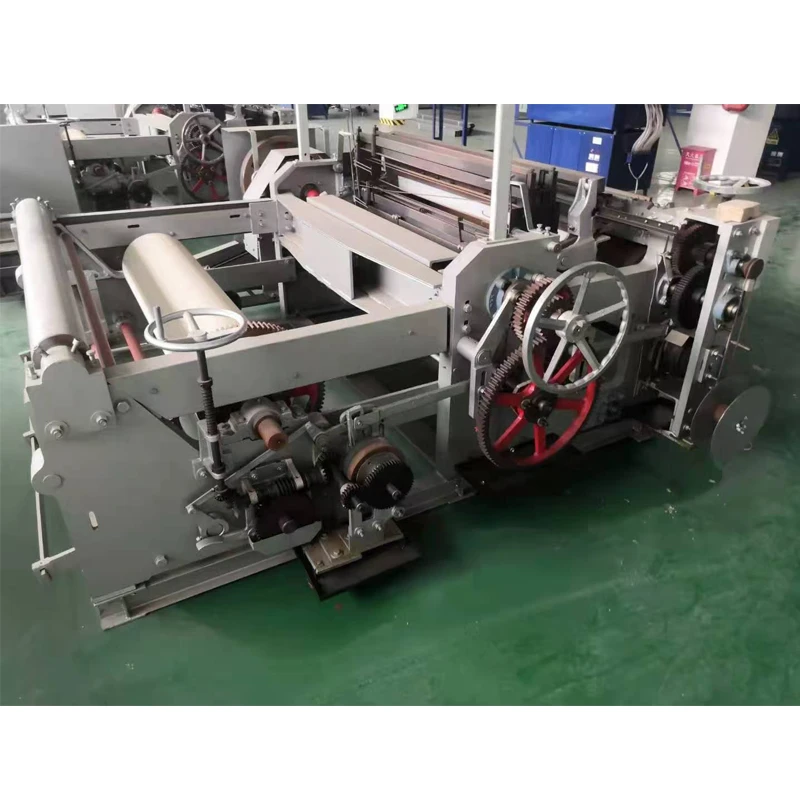
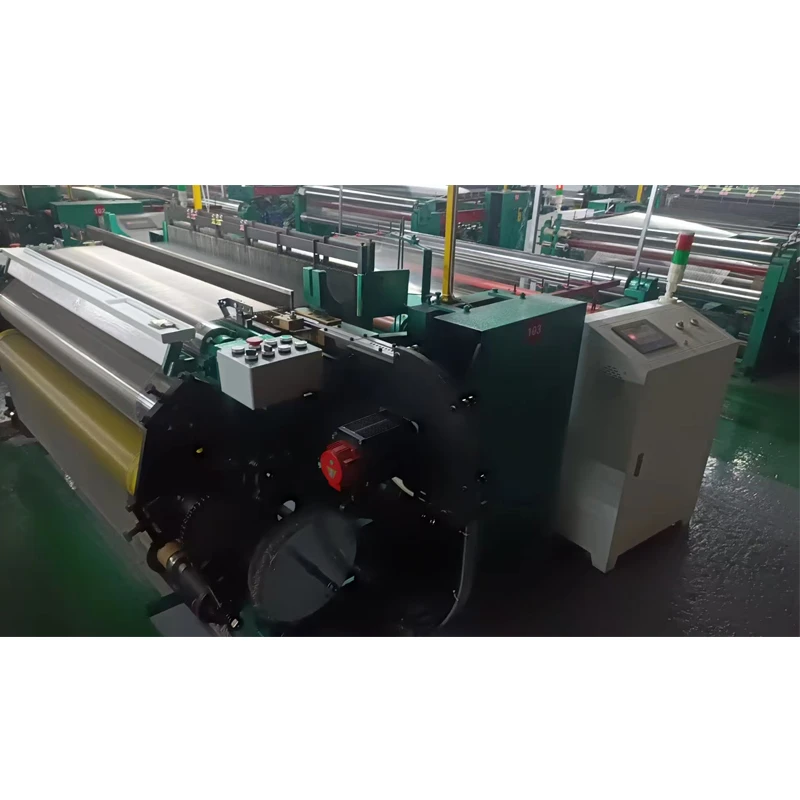
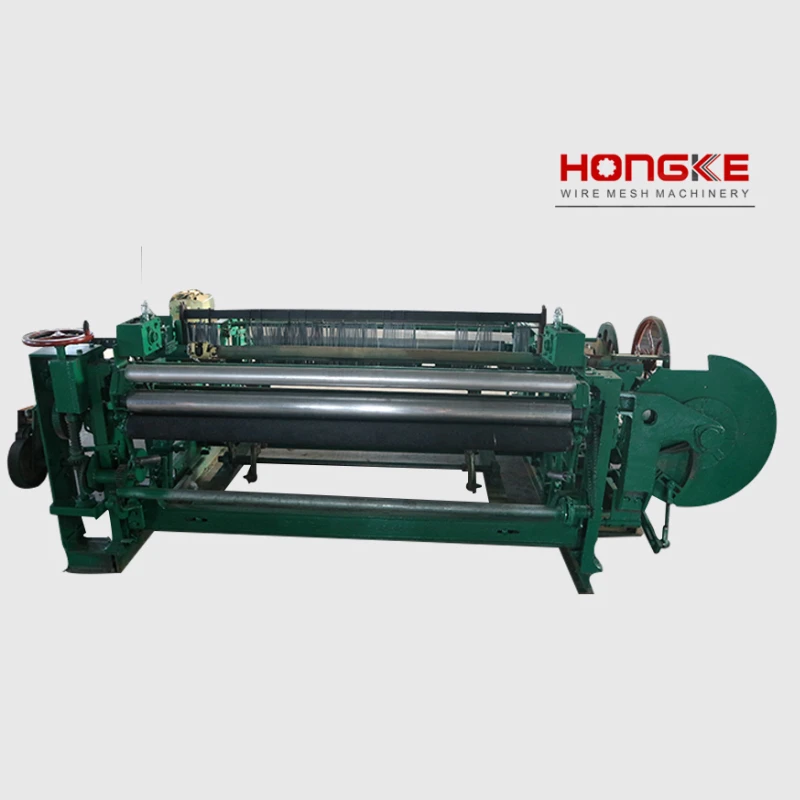
In plain terms, these factories are manufacturing hubs that house specialized weaving machines designed to interlace fiberglass yarns into mesh fabrics. The result is a strong, lightweight grid-like material capable of reinforcing surfaces or filtering particles. It’s sort of like how spider webs combine delicacy and resilience. This weaving process is essential for producing a core component in many modern industries, connecting industrial needs with practical solutions that often support humanitarian and environmental goals.
Core Components of Fiberglass Mesh Weaving Machines Factories
1. Durability and Precision Machinery
The heart of these factories lies in their machines’ ability to produce meshes with consistent quality. Their robust build ensures they operate continuously with minimal downtime, delivering precise tension control and uniform mesh size, which is critical for end-use performance.
2. Scalability and Production Capacity
Factories often balance between niche production and mass manufacturing. The ability to scale operations to meet fluctuating market demands, while maintaining quality assurance, defines operational success.
3. Energy Efficiency
Energy-gluttony is a concern here. Manufacturers embed energy-saving technologies in weaving machines, enhancing sustainability—vital given worldwide pushes for greener industrial standards.
4. Cost Efficiency
Raw fiberglass pricing fluctuates; therefore, factories optimize workflow and material usage to keep product costs competitive without compromising quality.
5. Customization Flexibility
Different end applications require varied mesh densities, thicknesses, and coatings. Factories must fine-tune their machines and processes to cater to these needs effectively.
Product Specification Table: Typical Fiberglass Mesh Weaving Machine Features
| Feature | Specification | Notes |
|---|---|---|
| Max Weaving Speed | 250 picks/minute | Depends on mesh density |
| Mesh Width Capacity | Up to 3,200 mm | Adjustable for different specifications |
| Tension Control | Automated Servo System | Ensures material uniformity |
| Power Consumption | 8–12 kW per unit | Varies with production speed |
| Automation Level | High | Minimal operator intervention |
Global Applications and Real-World Use Cases
Fiberglass meshes produced by these weaving factories are everywhere—no joke. In Europe and North America, reinforced concrete structures use these meshes to enhance crack resistance. In Asia, they underpin insulation materials that tackle heat efficiency. Oddly enough, NGOs operating in disaster-prone regions in Africa and South America rely on fiberglass-reinforced tent fabrics for temporary shelters; their durability and weight are crucial in challenging environments. The automotive industry employs fiberglass meshes in composites to reduce vehicle weight while maintaining safety standards. Even filtration systems in water treatment plants use finely woven fiberglass meshes for superior chemical resistance.
Vendor Comparison: Leading Fiberglass Mesh Weaving Machines Factories
| Factory | Machine Quality | Production Capacity | Energy Efficiency | Customization |
|---|---|---|---|---|
| Factory A (China) | High | Very High | Moderate | Good |
| Factory B (Europe) | Excellent | Medium | High | Excellent |
| Factory C (India) | Good | High | Low | Moderate |
The Advantages and Long-Term Value of Fiberglass Mesh Factories
It’s not just about making a product; it's about fostering innovation that lasts. Fiberglass mesh weaving machines factories enable the production of materials that provide remarkable durability and weather resistance — qualities vital for safe buildings and sustainable infrastructure. The meshes’ lightweight nature reduces transportation emissions, aligning with green manufacturing trends. Emotionally, communities benefit from safer homes and improved working environments, which often feels like a ripple effect of trust and dignity. Their cost-effectiveness also means more accessible solutions worldwide, especially in economies that rely on imported construction goods.
Looking Ahead: Innovations and Future Trends
It’s fair to say that we’re witnessing a bit of a renaissance in fiberglass manufacturing. New weaving machines incorporate IoT-enabled sensors that monitor tension and detect defects in real-time, dramatically reducing waste. Meanwhile, there's growing experimentation with bio-based fiberglass composites aiming to lessen environmental footprints. Automation continues to rise, potentially reducing human error and increasing output. For fiberglass mesh weaving machines factories, embracing these innovations will be essential to remain competitive and sustainable.
Challenges and Ingenious Solutions
Sure, no industry is without hurdles. Many factories face supply chain unpredictabilities — especially in procuring high-quality raw fiberglass yarns. Energy consumption can be high, prompting investments into solar and wind-powered plants as possible antidotes. Maintenance of sophisticated weaving machines requires skilled technicians, which can be scarce in emerging markets. Collaborative training programs and modular machine designs help mitigate these problems, and frankly, the willingness to adopt lean manufacturing models shows a promising future.
FAQs About Fiberglass Mesh Weaving Machines Factories
- Q: How long does it take for a fiberglass mesh weaving machine to produce a standard roll?
A: On average, depending on mesh density and machine speed, a full roll (typically 1,000 meters) can be produced within 12 to 24 hours under continuous operation. - Q: Can these factories customize mesh patterns for specialized industries?
A: Yes, many factories offer customizable options, from mesh size and thread thickness to applying coatings for UV or chemical resistance. - Q: What environmental standards do these factories follow?
A: Leading factories comply with ISO 14001 environmental management standards and often implement waste recycling programs. - Q: How can companies source these machines internationally?
A: Most factories work with export partners and provide end-to-end support for shipping, installation, and training, simplifying international procurement.
Conclusion: The Long-Term Promise and Your Next Step
In sum, fiberglass mesh weaving machines factories form the backbone of an industry that quietly supports some of the most critical aspects of modern life — from safe infrastructure to innovative manufacturing sectors. Their continued evolution, fueled by technology and sustainability, makes them a compelling investment and partnership prospect. If you want to explore more about how these factories work or find reliable suppliers and technology providers, be sure to visit us at https://www.aphkmachinery.com. The future of robust, innovative fiberglass mesh production awaits.
Mini Takeaway: These specialized factories blend precision engineering and sustainability to meet global demands for versatile, durable materials — a perfect example of manufacturing quietly shaping our world.